Landlord Insurance in South Carolina: What Rental Owners Need to Know
August 17, 2026

What landlord insurance in South Carolina actually covers

If you own rental property in South Carolina, landlord insurance is one of the most important policies you can carry. A standard homeowners policy will not cover a home being rented to tenants. The moment you collect rent, you shift into a different risk category in the eyes of insurance carriers, and a homeowners policy can deny claims that occur while the property is occupied by someone other than you. Landlord insurance, sometimes called a dwelling fire policy or rental property policy, is built specifically for that situation.

A landlord insurance policy in South Carolina covers three things: the structure of the rental property, your liability as the property owner, and lost rental income when a covered loss makes the home uninhabitable. Here is what each of those means in practice.

Dwelling coverage

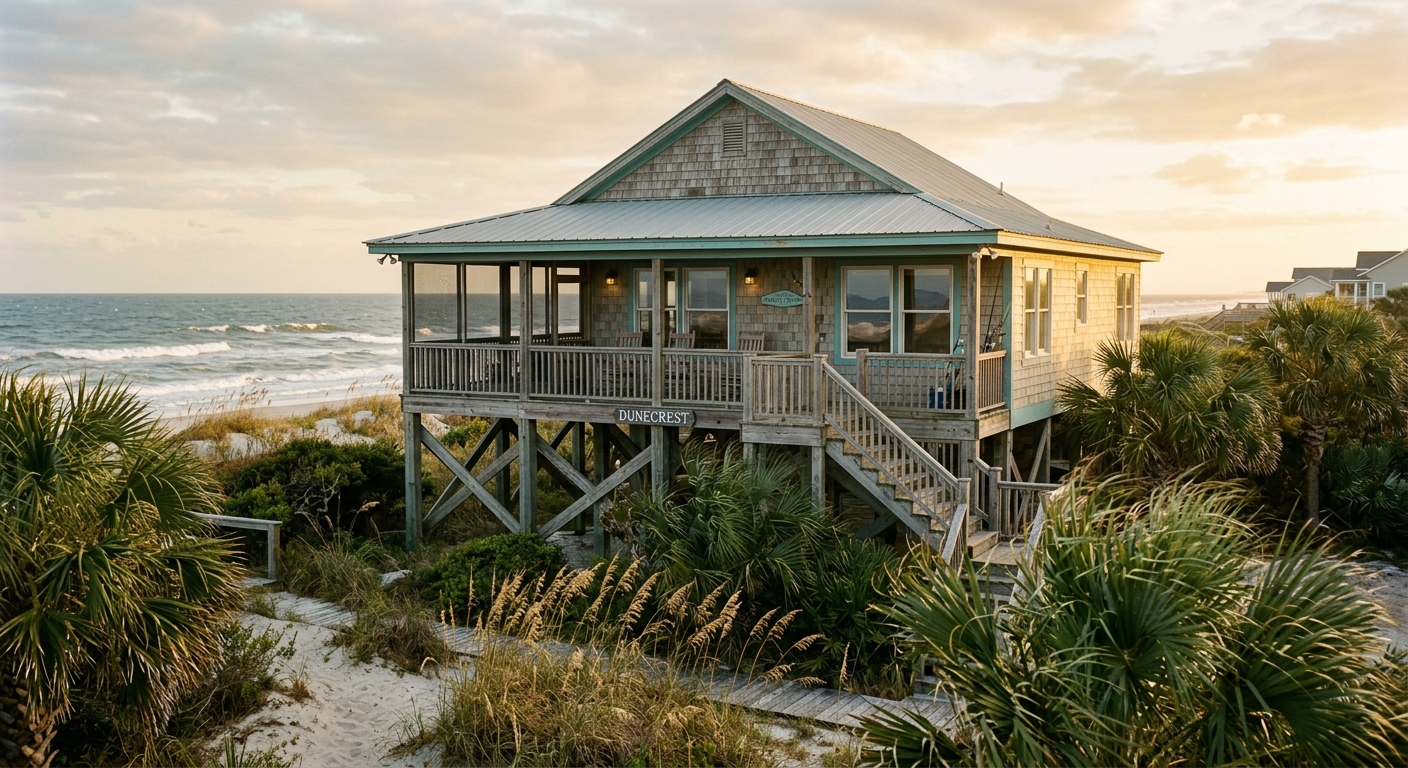
This pays to repair or rebuild the structure itself after a covered peril: fire, windstorm, hail, vandalism, or lightning. On the South Carolina coast, wind and named-storm damage is a real concern. Whether you own a single-family rental in Murrells Inlet or a long-term rental cottage near Pawleys Island, the physical structure is your largest financial asset, and dwelling coverage is what protects it.

One detail worth watching: most landlord policies are written on an actual cash value (ACV) basis rather than replacement cost by default. ACV factors in depreciation, which means a 15-year-old roof destroyed by a storm might pay out far less than what it costs to replace it. Ask specifically about replacement cost coverage on both the structure and any detached structures like a garage or fence. The premium difference is usually modest compared to the gap in a claim payout.

Liability coverage

If a tenant or visitor is injured on your rental property and sues you, liability coverage pays your legal defense costs and any settlement or judgment up to the policy limit. A typical landlord policy carries $100,000 to $300,000 in liability coverage. Given the cost of litigation in South Carolina, many property owners add a personal umbrella policy on top to extend that protection to $1 million or more. That extra layer is worth considering if you own multiple rentals or a property with features like a pool or dock that increase injury risk.

Rental income / fair rental value

If a covered loss forces your tenants to move out while repairs are made, this coverage replaces the rent you would have collected during that period. Without it, you could be paying your mortgage on a property generating zero income for months. South Carolina contractors are often backed up after a major storm, so repair timelines can stretch longer than owners expect.

What landlord insurance does not cover

Understanding the gaps is just as important as understanding what is included. Several perils and situations fall outside a standard landlord policy.

  • Flood damage. Flooding from storm surge, heavy rain, or rising water is excluded from virtually every landlord policy. In South Carolina, this is not a hypothetical gap. The Grand Strand and the Lowcountry both face significant flood risk, and even inland areas like Conway have experienced serious flooding events. A separate flood insurance policy through the NFIP or a private carrier is almost always worth the conversation. You can learn more about what flood coverage costs in this area in our guide on flood insurance costs in South Carolina.
  • Tenant belongings. Your policy covers the building, not what your tenants own. Their furniture, clothes, and electronics are their responsibility. Many landlords require tenants to carry renters insurance as a condition of the lease, which benefits both parties.
  • Routine maintenance and wear. Insurance is not a home warranty. A water heater that fails after 12 years is a maintenance issue, not a covered claim. Appliances, HVAC systems, and plumbing that deteriorate normally are your expense to manage.
  • Vacancy clauses. Most landlord policies include a clause that limits or suspends coverage if the property sits vacant for 30 to 60 consecutive days. If you own a seasonal rental that goes dark in the off-season, talk to your agent about a vacant property policy or confirm how your carrier defines occupancy.
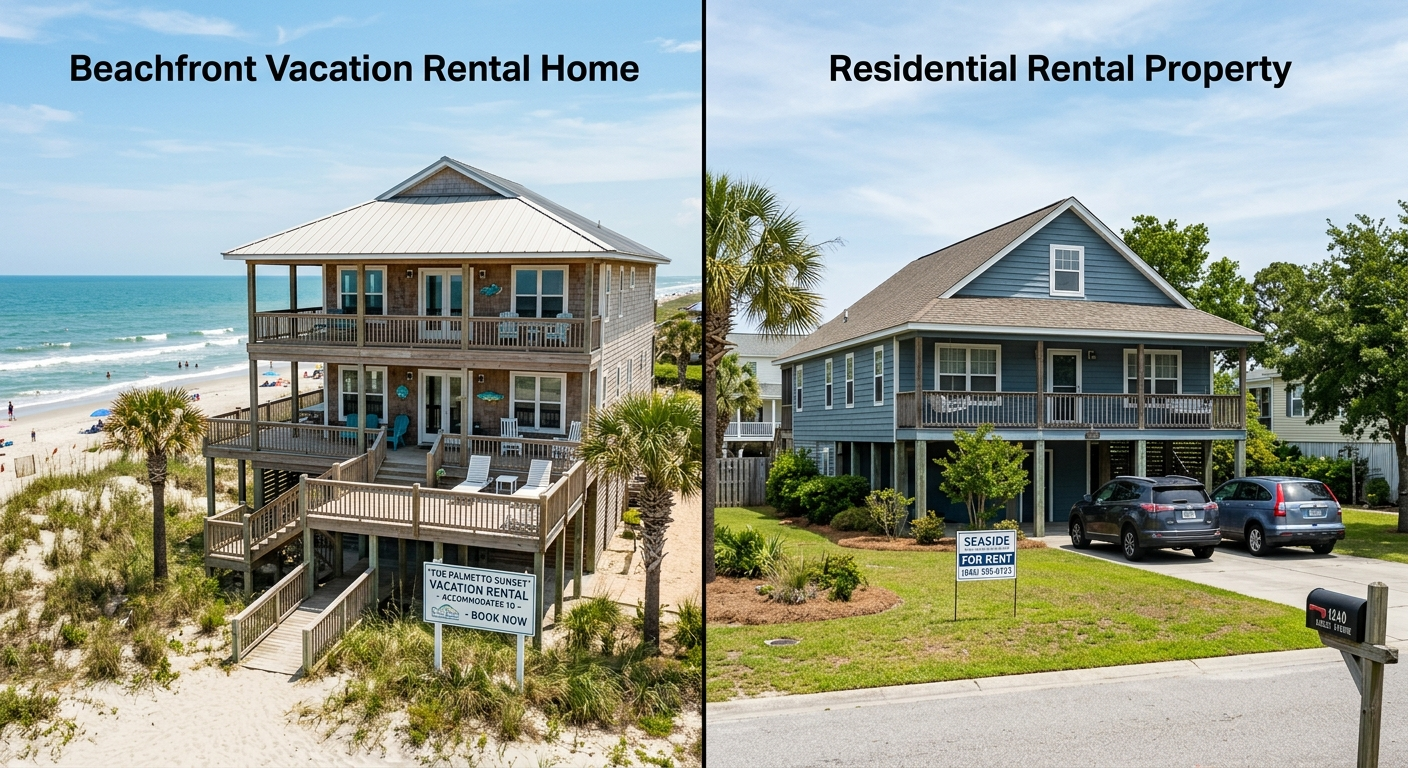
  • Short-term rentals. If you rent through Airbnb, VRBO, or a similar platform for short stays, a standard landlord policy may not apply. Short-term rentals in the Myrtle Beach area are a specific risk category, and there are policies built for exactly that situation.

South Carolina-specific risks that shape your coverage needs

South Carolina landlords face a combination of coastal, weather, and regulatory factors that make this state different from, say, the Midwest.

Hurricane and wind exposure

South Carolina's coastline runs from the Grand Strand down through the ACE Basin, and virtually all of it falls in a hurricane-risk zone. Most homeowners and landlord policies do cover wind damage from named storms, but many coastal policies carry a separate hurricane or wind/hail deductible that applies instead of your standard deductible when a named storm causes the damage. That deductible is often expressed as a percentage of your insured dwelling value, typically 1% to 5%. On a $400,000 rental property, a 2% hurricane deductible means you absorb the first $8,000 out of pocket before insurance pays anything. Understanding that number before a storm, not after, is critical. Our post on hurricane deductibles in South Carolina covers how these work in detail.

Flood zones and coastal geography

Myrtle Beach, North Myrtle Beach, Surfside Beach, and communities along the Intracoastal Waterway all have significant areas mapped into FEMA Special Flood Hazard Areas. If your rental property carries a federally backed mortgage and sits in a high-risk flood zone, flood insurance is legally required by the lender. Even outside mandatory zones, flood risk in South Carolina is higher than most people assume because of flat terrain, high water tables, and the frequency of slow-moving tropical systems that produce extreme rainfall over a short period.

The short-term rental market

The Myrtle Beach area is one of the most active short-term rental markets in the Southeast. If you own a condo at the beach or a house near the waterway and rent it by the week or weekend, you need coverage designed for that business model. Standard landlord policies and standard homeowners policies both have exclusions that can leave short-term rental owners exposed. Moore and Associates works with carriers that offer dedicated short-term rental coverage built for the Grand Strand market.

South Carolina lease law and liability

South Carolina landlord-tenant law requires rental properties to meet basic habitability standards. If a tenant is injured because of a condition you knew about and failed to repair, a court can find you negligent. Carrying adequate liability limits aligns with your legal obligations as a property owner under state law. Given that personal injury lawsuits in South Carolina can result in judgments well into the six figures, $100,000 in liability coverage is often not enough for a rental property in a high-traffic area.

How much does landlord insurance cost in South Carolina?

There is no single answer, but several factors drive the premium up or down.

  • Location. Coastal properties near the ocean or Intracoastal Waterway cost more to insure than inland properties in Conway or Georgetown because of wind and surge exposure.
  • Construction type and age. Newer homes built to post-2004 South Carolina wind-resistance standards often qualify for better rates. Older homes with original roofs, older wiring, or knob-and-tube electrical systems can push premiums higher or trigger underwriting restrictions.
  • Coverage limits and deductibles. Higher dwelling limits and lower deductibles cost more. Choosing a higher hurricane deductible is a common way to reduce the annual premium, but make sure you could actually absorb that deductible if a storm hits.
  • Number of units. A single-family rental is priced differently from a duplex, a triplex, or a small apartment building. Once you move to five or more units, most carriers require a commercial property policy rather than a personal landlord policy.
  • Tenant type. Long-term residential tenants, short-term vacation guests, and student renters are each viewed differently by underwriters.
  • Claims history. Prior claims on the property or in your personal insurance history affect pricing.

As a rough benchmark, single-family rental policies in South Carolina often run between $1,200 and $2,800 per year for inland properties, with coastal properties regularly reaching $3,000 to $5,000 or more depending on location and coverage structure. Wind and flood coverage are the biggest cost variables in this market.

Landlord insurance versus homeowners insurance

This question comes up often, so it is worth a direct answer. Homeowners insurance is written for an owner-occupied home. The carrier assumes you are living there, maintaining it day to day, and have a personal stake in keeping it in good condition. A rental property has a different risk profile: the occupant does not own it, turnover creates periods of vacancy, and the property may receive harder use than an owner would tolerate in their own home.

A landlord policy is designed for that reality. It uses different policy language, applies different exclusions, and prices the risk accordingly. Using a homeowners policy on a rental property is not just a coverage gap issue. It can be outright fraud if you represent to the carrier that you occupy a home you are actually renting to someone else. If a claim occurs and the carrier discovers the home was tenant-occupied, they have grounds to deny the claim entirely.

If the property you own is your primary residence and you rent out a room or a separate accessory dwelling unit (ADU), the analysis is different. Talk to your agent about whether a homeowners policy endorsement covers that situation or whether a separate policy is needed.

Tips for South Carolina rental property owners

A few practical steps that landlords in this market have learned the hard way:

  • Require renters insurance from every tenant. It protects their belongings, reduces the chance they file a claim against your policy for something that was their fault, and it is a reasonable, standard lease requirement. You can learn more about what renters insurance covers and costs in our post on renters insurance in South Carolina.
  • Document property condition thoroughly. Photos and video at move-in and move-out create a clear record that protects you if there is a dispute over damage versus normal wear.
  • Keep up with roof maintenance. Carriers in South Carolina scrutinize roof age closely. A roof older than 15 to 20 years may result in ACV-only coverage for wind damage or difficulty finding coverage at all. Proactive replacement keeps your options open.
  • Review your policy annually. Rental rates, construction costs, and the insurance market all shift. What was an adequate dwelling limit three years ago may leave you underinsured today given how much material and labor costs have risen.
  • Separate each property under its own policy. Some landlords try to combine multiple rentals to simplify. Depending on the number and type of units, a commercial property policy or a portfolio landlord policy may actually be the right structure, but that decision should come from a real coverage analysis, not convenience.

Get the right coverage for your South Carolina rental property

Owning rental property in South Carolina is a real investment, and the right insurance structure protects that investment without leaving gaps that could cost you far more than the premium you saved. Moore and Associates Insurance is an independent agency, which means we compare rates and coverage options across multiple carriers rather than being locked into one company's products. That matters in a market like the Grand Strand, where pricing and underwriting vary significantly from carrier to carrier.

Whether you own a single-family rental in Conway, a beachfront condo in Myrtle Beach, or a small portfolio of investment properties across the Horry County area, we can help you find coverage that actually fits. Give us a call at (843) 839-5076 or request a quote online and we will walk through your properties and put together a coverage plan that makes sense.

Telephone icon with a speech bubble.

Get A Quote

At Moore & Associates Insurance, securing your future is easy. Ready to protect what matters? Contact us for a quick quote and personalized insurance options!

Black telephone receiver icon.

Kelly

Speak to Kelly 24/7

Microphone icon.

Microphone ready


Black check mark on a white background.

Start your custom insurance quote

Black checkmark on a white background.

Instant answers to your insurance questions

Black check mark on a white background.

Schedule appointments or follow-ups

Person with a shield icon, indicating protection or security.

Personal Insurance

From auto and homeowners to renters and umbrella policies, we help protect your family and property. Let’s find coverage that fits your life.

Buildings, coins, and a shield icon representing financial security.

Commercial Insurance

We customize policies for your industry's risks, like general liability and workers' comp, ensuring you can run your business worry-free.

Contact Moore & Associates Insurance

249 S Federal Blvd, Denver, CO 80219

Share this article

Recent Posts

A large fifth wheel trailer parked at a coastal South Carolina campground near the water with palm trees in the background
By Moore & Associates Insurance August 18, 2026
Own a fifth wheel in South Carolina? Learn what coverage you need, what coastal risks cost you, and how to protect your rig year-round on the Grand Strand.
Beachfront vacation rental home on the South Carolina coast with a wooden deck overlooking the ocean on a sunny day
By Moore & Associates Insurance August 15, 2026
Own an Airbnb or VRBO on the Grand Strand? Learn what short-term rental insurance in South Carolina covers, costs, and why your homeowners policy isn't enough.
Driver on a sunny coastal highway near North Myrtle Beach with the Atlantic Ocean visible in the background
By Moore & Associates Insurance August 14, 2026
Find the best auto insurance in North Myrtle Beach, SC. Learn SC coverage requirements, local risks, and how to save. Moore & Associates compares carriers for
Rental apartment building on a shaded street in Georgetown, South Carolina on a sunny afternoon
By Moore & Associates Insurance August 12, 2026
Looking for renters insurance in Georgetown, SC? Learn what's covered, what it costs, and how Moore & Associates Insurance finds you the best rate. today
By Moore & Associates Insurance August 12, 2026
SC car insurance averages $148–$256/month for full coverage in 2026. Here are rates by city, what drives your premium, and how to find a cheaper policy in South Carolina.
Aerial view of a tree-lined residential neighborhood along the Waccamaw River in Conway, South Carolina on a sunny afternoon
By Moore & Associates Insurance August 11, 2026
Learn what drives Conway, SC home insurance rates, what a standard policy covers, and how to avoid costly gaps. Get a free quote from Moore & Associates today.
Oceanfront condo balcony overlooking the Atlantic Ocean on the South Carolina Grand Strand coastline on a sunny afternoon
By Moore & Associates Insurance August 9, 2026
Learn what HO-6 condo insurance in South Carolina must cover, from interior walls to loss assessments. Protect your Grand Strand condo with the right policy.
Small business owner reviewing insurance documents at a desk inside a coastal South Carolina shop
By Moore & Associates Insurance August 6, 2026
Learn what a business owners policy covers in South Carolina, what it costs, and how local businesses on the Grand Strand can get the right BOP coverage.
Small business owner reviewing a laptop screen showing a security alert in a Myrtle Beach storefront office
By Moore & Associates Insurance August 3, 2026
South Carolina small businesses face real cyber threats. Learn what cyber liability insurance covers, what it costs in SC, and how to protect your business
Busy South Carolina coastal restaurant kitchen with chef plating food and dining room visible through service window
By Moore & Associates Insurance July 31, 2026
Learn what restaurant insurance in South Carolina covers, what carriers look for, and how to protect your coastal eatery. Get a free quote from Moore &
Show More