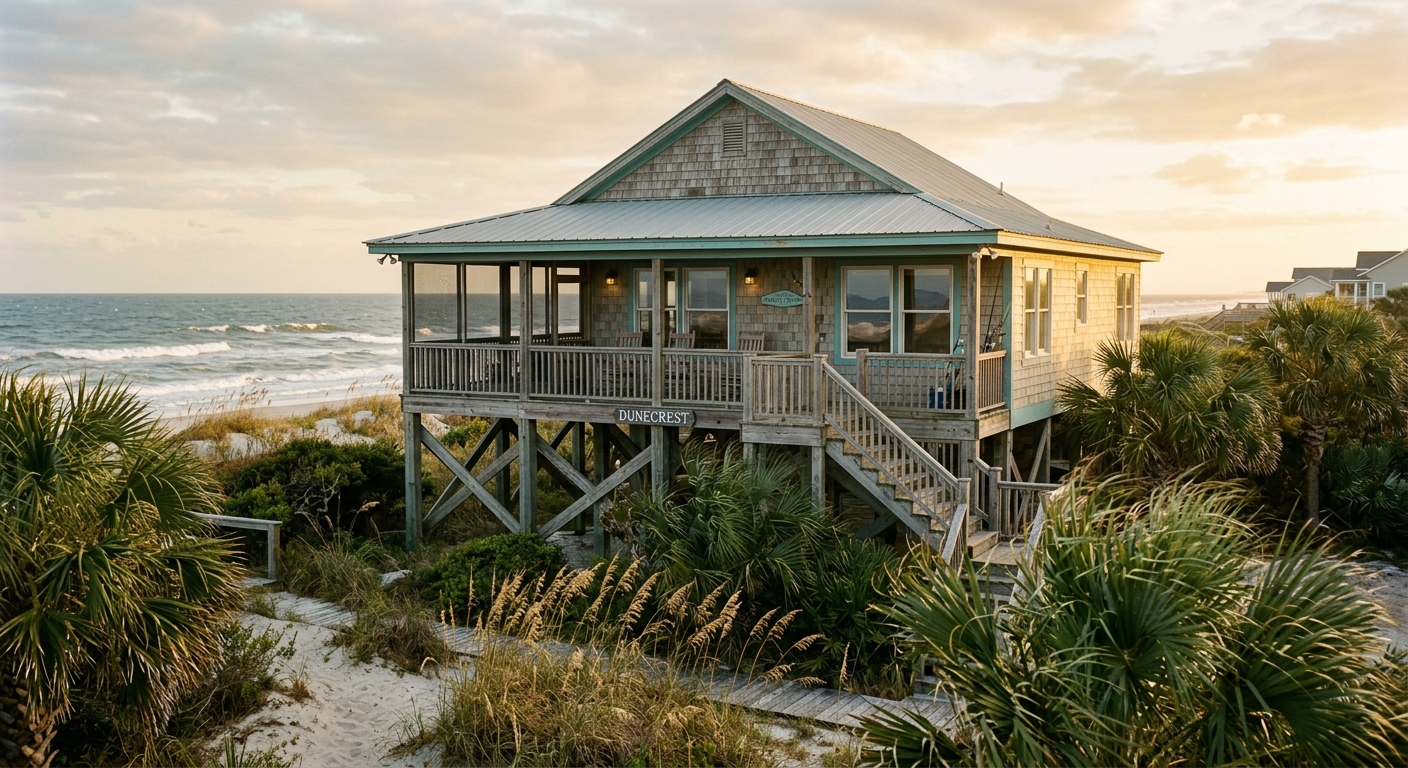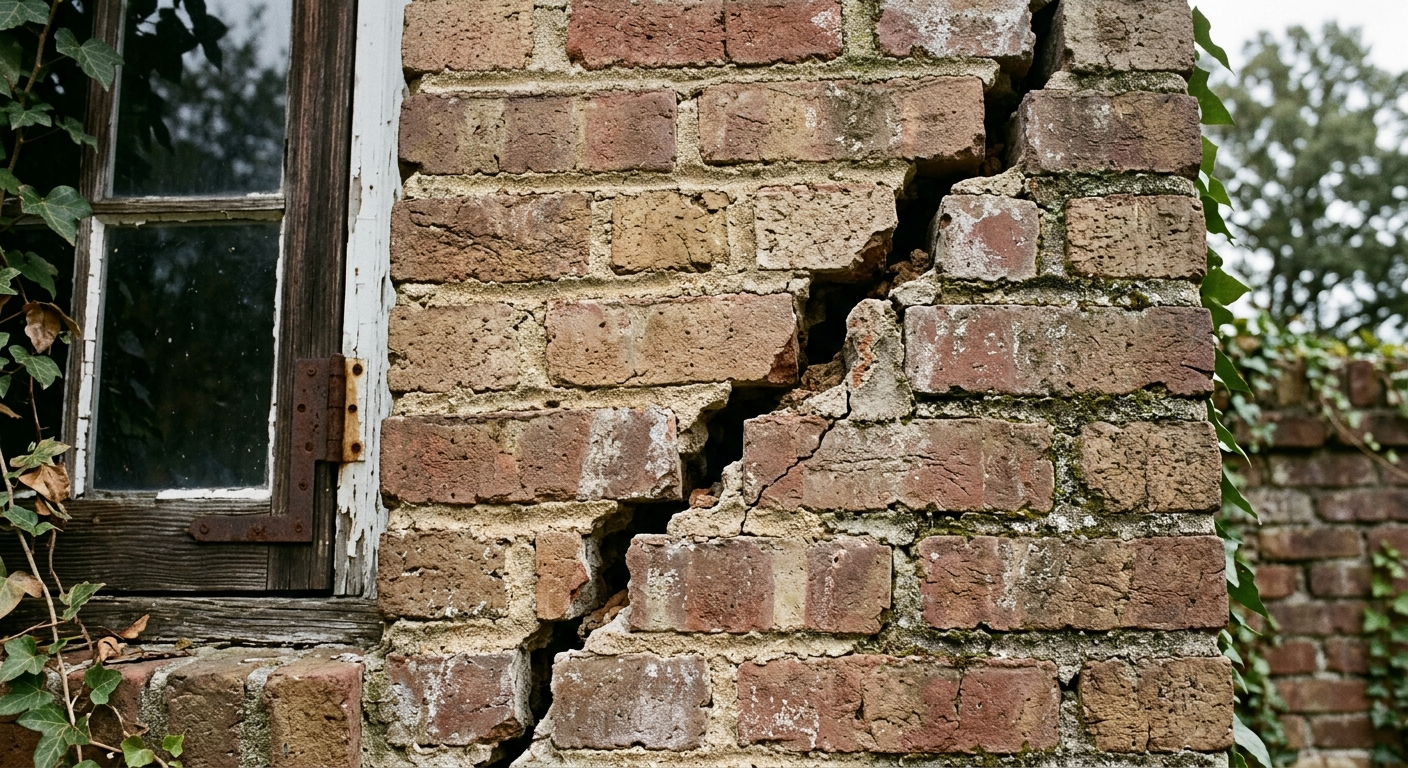
If you own a home in coastal South Carolina, your homeowners insurance policy likely contains something that surprises many policyholders the first time they see it: a hurricane deductible. Unlike your standard all-peril deductible — which is typically a flat dollar amount like $1,000 or $2,500 — a hurricane deductible is calculated as a percentage of your home's insured value. That distinction can mean the difference between a manageable out-of-pocket expense and a bill that runs into tens of thousands of dollars after a major storm. Understanding how hurricane deductibles work before a storm season is one of the most important things a coastal homeowner can do. Moore & Associates Insurance helps Myrtle Beach and Grand Strand homeowners understand their policies and make sure they're prepared.
What Is a Hurricane Deductible?
A hurricane deductible is a separate, higher deductible that applies specifically to losses caused by a hurricane — typically defined by when a named storm has been declared a hurricane by the National Hurricane Center and is active within your state or a defined geographic area. Rather than paying a flat dollar amount, you pay a percentage of your home's insured dwelling value before your insurance kicks in.
Common hurricane deductible percentages in South Carolina range from 1% to 5%, though some policies carry higher percentages for properties in very high-risk coastal zones. On a home insured for $400,000, a 2% hurricane deductible means you'd pay the first $8,000 of a covered hurricane claim out of pocket. A 5% deductible on that same home would mean $20,000 out of pocket before insurance responds.
This is fundamentally different from your standard deductible — and it's a number that coastal homeowners need to know, not discover for the first time in the middle of a claim.
When Does a Hurricane Deductible Apply?
The specific trigger conditions for hurricane deductibles vary by policy and carrier, which is why reading the fine print matters. Some policies apply the hurricane deductible any time a named tropical storm or hurricane makes landfall or passes within a certain distance of your property. Others use a stricter definition — the deductible only applies if the storm is classified as a Category 1 hurricane or above at the time of landfall.
A storm that causes significant wind damage while classified as a tropical storm might trigger your standard deductible rather than your hurricane deductible, depending on your policy language. Conversely, if a hurricane weakens to a tropical storm before landfall but your policy defines the trigger based on the storm's classification at any point during its track over your state, your hurricane deductible could still apply.
Your homeowners insurance policy's declarations page will show both your standard deductible and your hurricane deductible. If you don't know what your hurricane deductible is, now is the time to find out — before a storm is in the forecast.
Why South Carolina Carriers Use Hurricane Deductibles
Hurricane deductibles became common in coastal markets after major storms in the 1990s and 2000s generated losses that strained the insurance industry. By shifting a portion of the loss to policyholders through percentage-based deductibles, carriers can manage their exposure and continue writing policies in high-risk coastal markets. Without hurricane deductibles, many carriers would either exit the coastal market entirely or charge premiums so high that coverage would be unaffordable for most homeowners.
For homeowners, the practical implication is clear: you need to be financially prepared to absorb your hurricane deductible out of pocket if a storm hits. Building that amount into your emergency savings — treating it as a known potential expense rather than an unexpected one — is the smart approach.
How to Reduce Your Hurricane Deductible Exposure
There are several strategies Myrtle Beach homeowners can use to manage hurricane deductible risk. Wind mitigation improvements — impact-resistant windows and doors, hurricane shutters, reinforced roof connections, and other storm-hardening features — can qualify your home for lower rates and, in some cases, lower deductible percentages from carriers who reward wind mitigation. A licensed wind mitigation inspector can document your home's features and provide the certification that insurers require to apply these credits.
Shopping the market through an independent agent also matters. Hurricane deductible structures vary by carrier, and comparing policies isn't just about premium — it's about understanding the total risk you're taking on. A policy with a slightly higher premium but a 1% hurricane deductible may provide significantly better financial protection than a cheaper policy with a 5% deductible.
Know Your Policy Before the Season Starts
Hurricane season in South Carolina runs June 1 through November 30. The time to understand your hurricane deductible — and make sure your coverage is right — is now, in the spring, not in August when a storm is approaching. Moore & Associates Insurance can review your current policy, explain exactly how your hurricane deductible works, and compare alternatives from multiple carriers to make sure you have the right coverage in place. Contact us today for a free, no-obligation policy review.
Get A Quote
At Moore & Associates Insurance, securing your future is easy. Ready to protect what matters? Contact us for a quick quote and personalized insurance options!
Kelly
Speak to Kelly 24/7
Microphone ready
Start your custom insurance quote
Instant answers to your insurance questions
Schedule appointments or follow-ups
Personal Insurance
From auto and homeowners to renters and umbrella policies, we help protect your family and property. Let’s find coverage that fits your life.
Commercial Insurance
We customize policies for your industry's risks, like general liability and workers' comp, ensuring you can run your business worry-free.