Earthquake insurance in South Carolina: what most homeowners don't know
When people think about earthquake insurance in South Carolina , the typical reaction is something like, "We don't really need that here, do we?" It's an understandable assumption. South Carolina is known for hurricanes, flooding, and coastal storms. But the state sits on one of the most seismically active fault systems in the eastern United States, and that changes the conversation. If your home or condo is one of your biggest financial assets, it's worth understanding what your policy actually covers when the ground moves.
South Carolina's earthquake risk is real and documented
Most people don't connect South Carolina with earthquakes, but the historical record tells a different story. On August 31, 1886, the Charleston earthquake struck with an estimated magnitude of 7.0, killing roughly 100 people, destroying thousands of structures, and causing damage felt across the entire eastern seaboard. It remains one of the most powerful earthquakes ever recorded east of the Rocky Mountains.
That wasn't an isolated event. The East Coast Fault System and the Charleston Seismic Zone run directly through the Lowcountry and coastal areas. The South Carolina Emergency Management Division has documented hundreds of minor earthquakes across the state in recent decades, with the Myrtle Beach area, Conway, and coastal Grand Strand communities all sitting within the broader affected region. The U.S. Geological Survey's National Seismic Hazard Model consistently flags South Carolina as having a higher-than-average earthquake risk compared to most eastern states.
The point isn't to alarm anyone. Writing off earthquake coverage as unnecessary in this state is a mistake rooted in geography that many homeowners haven't fully considered.
What a standard homeowners policy does (and doesn't) cover
This is where many South Carolina homeowners get caught off guard. A standard homeowners insurance policy does not cover earthquake damage. Earthquake is specifically excluded from nearly every standard HO-3 policy form sold in this state, along with flood and surface water damage.
If an earthquake cracks your foundation, buckles your walls, or causes your chimney to collapse, you are looking at out-of-pocket expenses. The same applies to condo owners: condo insurance policies (HO-6 forms) carry the same exclusion. Your condo association's master policy almost certainly won't cover earthquake damage to the interior of your unit either.
Common earthquake-related losses that a standard policy will not pay for include:
- Foundation cracking or settling caused by seismic activity
- Structural wall damage, including drywall cracks, shifted framing, and broken masonry
- Chimney collapse or fireplace damage
- Broken windows and fixtures dislodged by ground movement
- Personal property damage from items falling or structures shifting
- Additional living expenses if your home is uninhabitable after a quake
That last point matters. If your home is damaged enough that you can't live in it, earthquake coverage can pay for temporary housing and related costs while repairs happen, just as loss-of-use coverage does for covered perils under your standard policy.
How earthquake insurance works in South Carolina
Earthquake coverage is available as a standalone policy or as an endorsement added to your existing homeowners policy , depending on the carrier. Not every insurance company offers it, and the terms vary widely, which is one reason working with an independent agency is worth your time.
A few key terms you'll encounter:
- Deductible: Earthquake deductibles are almost always expressed as a percentage of your dwelling coverage limit, typically between 2% and 20% . On a home insured for $400,000, a 10% deductible means you pay the first $40,000 out of pocket before coverage applies. This is fundamentally different from the flat dollar deductibles on most property claims.
- Dwelling coverage: Pays to repair or rebuild the physical structure of your home after a covered earthquake.
- Personal property coverage: Covers belongings damaged by the quake, such as electronics, furniture, and appliances. Some earthquake policies apply a separate sublimit for personal property.
- Loss of use: Pays additional living expenses if you're displaced from your home during repairs.
- Loss assessment: Particularly relevant for condo owners or HOA members. If the association levies a special assessment to repair earthquake damage to shared property, loss assessment coverage can help pay your share.
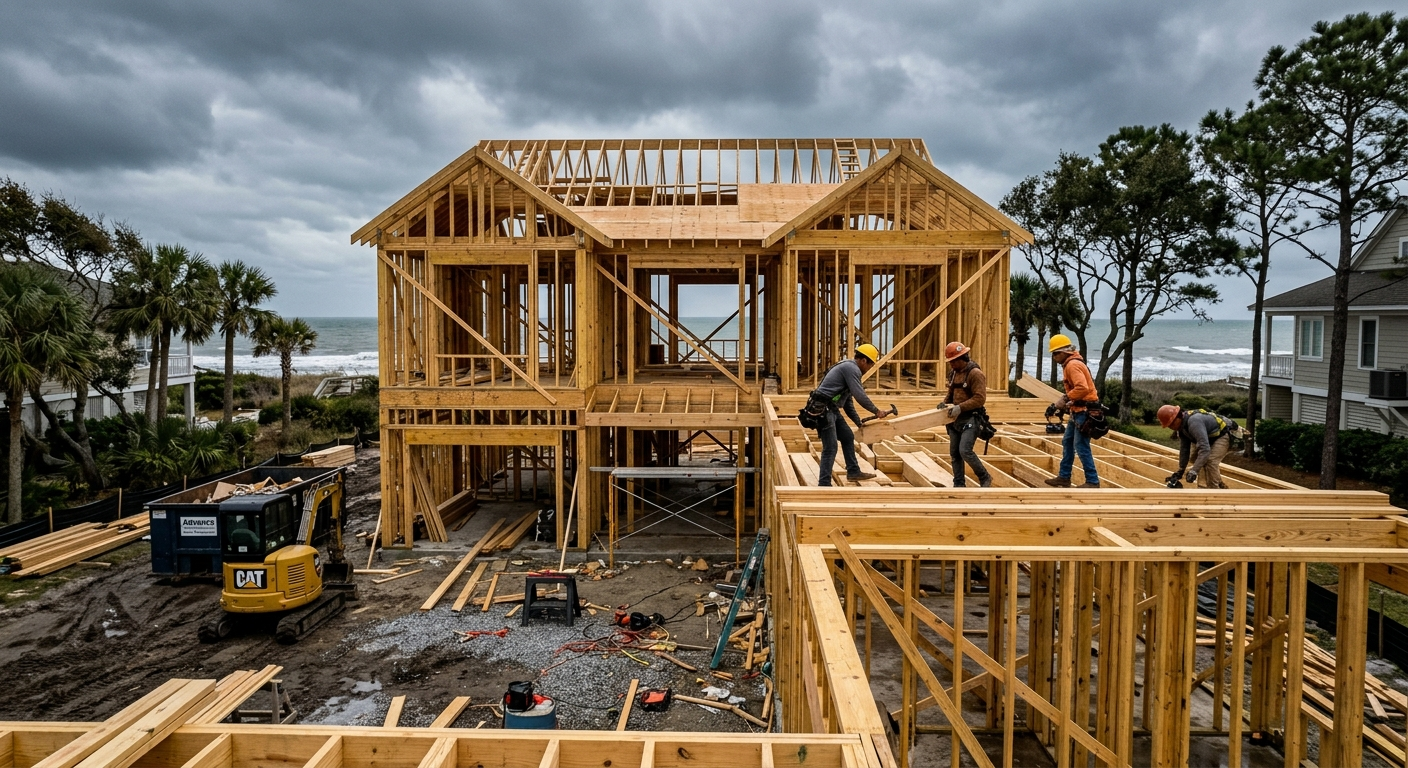
Premiums for earthquake insurance in South Carolina are generally more affordable than in California or the Pacific Northwest, but they're not trivial. Factors that affect your cost include the age and construction type of your home, proximity to known fault lines, the deductible percentage you choose, and the carrier's own risk modeling for the region. Older brick or masonry construction tends to be rated higher because it's more vulnerable to seismic movement than wood-frame construction.
Who especially needs to think about this coverage
Every South Carolina homeowner should at least consider earthquake insurance. A few groups have a particularly strong reason to take it seriously:
- Charleston and Lowcountry homeowners: Closest to the Charleston Seismic Zone, with older building stock in many neighborhoods that predates modern seismic construction standards.
- Owners of older brick or masonry homes: These structures tend to suffer more damage in earthquakes because they don't flex; they crack and crumble. If you own a historic property, the cost to restore it after earthquake damage could be substantial.
- Condo owners: Both your HO-6 policy and the master policy likely exclude earthquake. Loss assessment exposure alone makes coverage worth considering. For more on how the master policy and your individual policy interact, this overview of HOA master policy vs. homeowners coverage is a useful read.
- Coastal Grand Strand homeowners: Properties in Myrtle Beach, North Myrtle Beach, Surfside Beach, and surrounding communities often carry multiple layered risks. Earthquake is one more layer that's easy to overlook when you're focused on wind and flood.
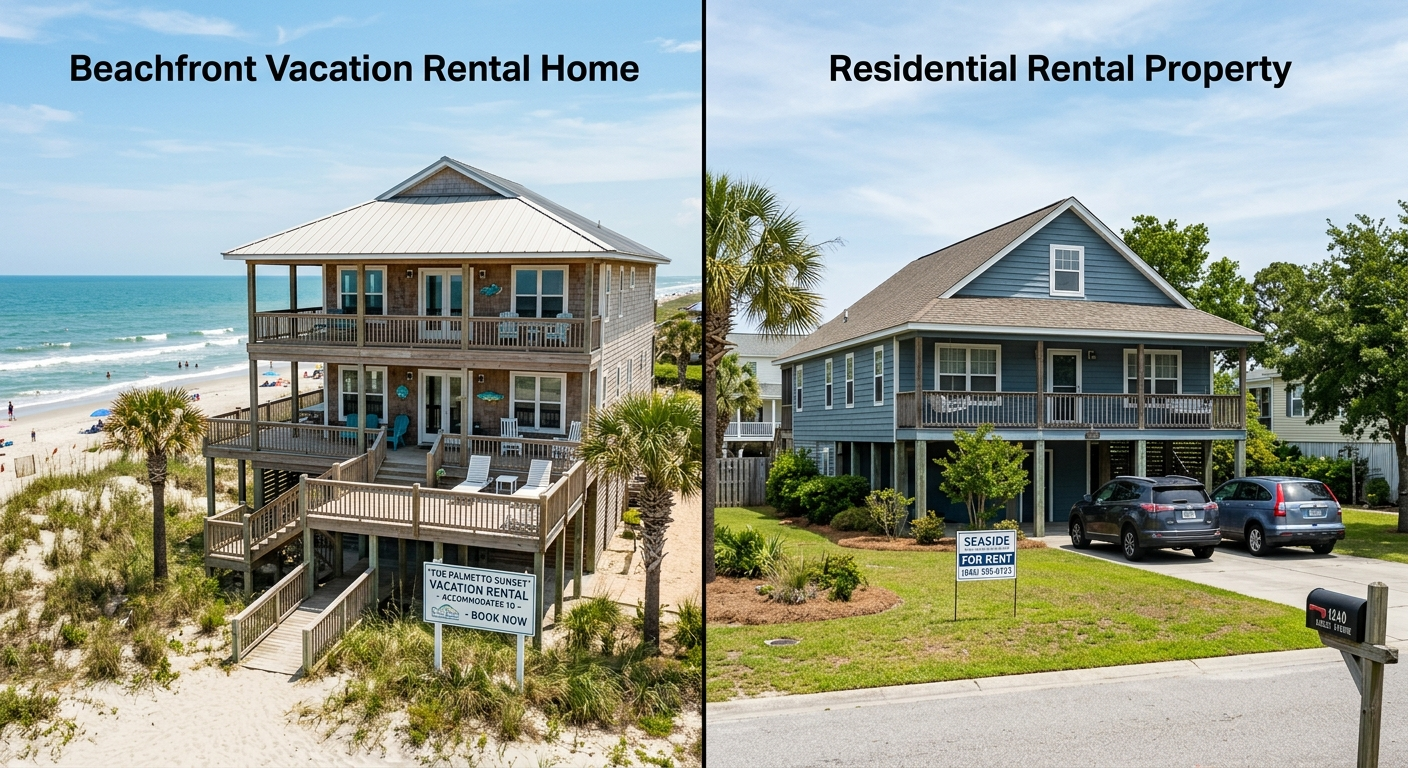
- Landlords and rental property owners: If you own a rental dwelling and an earthquake makes it uninhabitable, you lose rental income on top of repair costs. Earthquake endorsements can include lost rent coverage as part of the loss-of-use benefit. If you rent out property in the area, it's worth reviewing rental dwelling insurance options in South Carolina as well.
- Homeowners who have recently refinanced or taken equity loans: If you have significant equity in your home, an uninsured earthquake loss could wipe it out. A lender won't forgive your mortgage because an earthquake hit.
Earthquake insurance and flood insurance: common points of confusion
South Carolina homeowners often deal with multiple coverage gaps at once, and it's easy to conflate them. Flood insurance and earthquake insurance are separate products that address entirely separate perils.
Flood insurance (typically through the National Flood Insurance Program or a private carrier) covers water damage from storm surge, heavy rain, and rising waterways. It does not cover ground movement. Earthquake insurance covers structural and property damage caused by seismic activity. It does not cover flooding, even if an earthquake indirectly causes a pipe to burst or a dam to fail in ways that lead to water intrusion.
If you're still working through flood coverage costs and requirements, the guide on flood insurance in South Carolina covers that territory in depth. The short answer: if you're in a coastal community, you likely need both, and they need to come from different sources.
It's also worth knowing that homeowners insurance still does not cover earthquake even if it covers wind damage . Some coastal homeowners assume that because they have windstorm coverage or a separate hurricane deductible, they have broad coverage for natural disasters. That's not how it works. Each peril is treated separately.
How much does earthquake insurance cost in South Carolina?
Premiums vary based on the factors described above, but as a realistic ballpark: earthquake coverage in South Carolina for a mid-range home can run anywhere from roughly $300 to $800 or more per year as a standalone policy or endorsement. The variables that move that number most are:
- Your home's replacement cost value: Higher coverage limits mean higher premiums.
- Deductible selection: Choosing a higher percentage deductible (say, 15% instead of 5%) will lower your premium considerably, but it also means more out-of-pocket exposure in a claim.
- Construction type: Wood-frame homes are generally rated more favorably than unreinforced masonry.
- Home age: Older homes, especially those built before modern building codes, often carry a surcharge.
- Location: Proximity to the Charleston Seismic Zone or other identified fault structures affects the rate.
For most homeowners, the annual cost is modest enough that the bigger question isn't "can I afford this?" It's "can I afford not to have it if a significant earthquake hits?"
Get the right earthquake coverage for your South Carolina home
Moore & Associates Insurance is an independent agency serving the Grand Strand and surrounding communities, including Myrtle Beach, North Myrtle Beach, Conway, Pawleys Island, Surfside Beach, Murrells Inlet, and beyond. As an independent agency, we compare multiple carriers to find coverage that fits your property, your budget, and the actual risk profile of where you live.
Earthquake coverage isn't something every homeowner needs on day one, but it deserves a real conversation rather than a quick dismissal. We can review your current homeowners policy, identify your gaps, and show you what earthquake protection would cost with the carriers we work with. There's no pressure and no guesswork.
Call us at (843) 839-5076 or request a quote online to start the conversation. If you're also thinking through your broader homeowners coverage, our in-depth guide on homeowners insurance on the South Carolina coast is a good place to read up before we talk.
Get A Quote
At Moore & Associates Insurance, securing your future is easy. Ready to protect what matters? Contact us for a quick quote and personalized insurance options!
Kelly
Speak to Kelly 24/7
Microphone ready
Start your custom insurance quote
Instant answers to your insurance questions
Schedule appointments or follow-ups
Personal Insurance
From auto and homeowners to renters and umbrella policies, we help protect your family and property. Let’s find coverage that fits your life.
Commercial Insurance
We customize policies for your industry's risks, like general liability and workers' comp, ensuring you can run your business worry-free.