
Vacant Property Insurance in South Carolina: What You Need to Know
September 7, 2026

What vacant property insurance covers in South Carolina

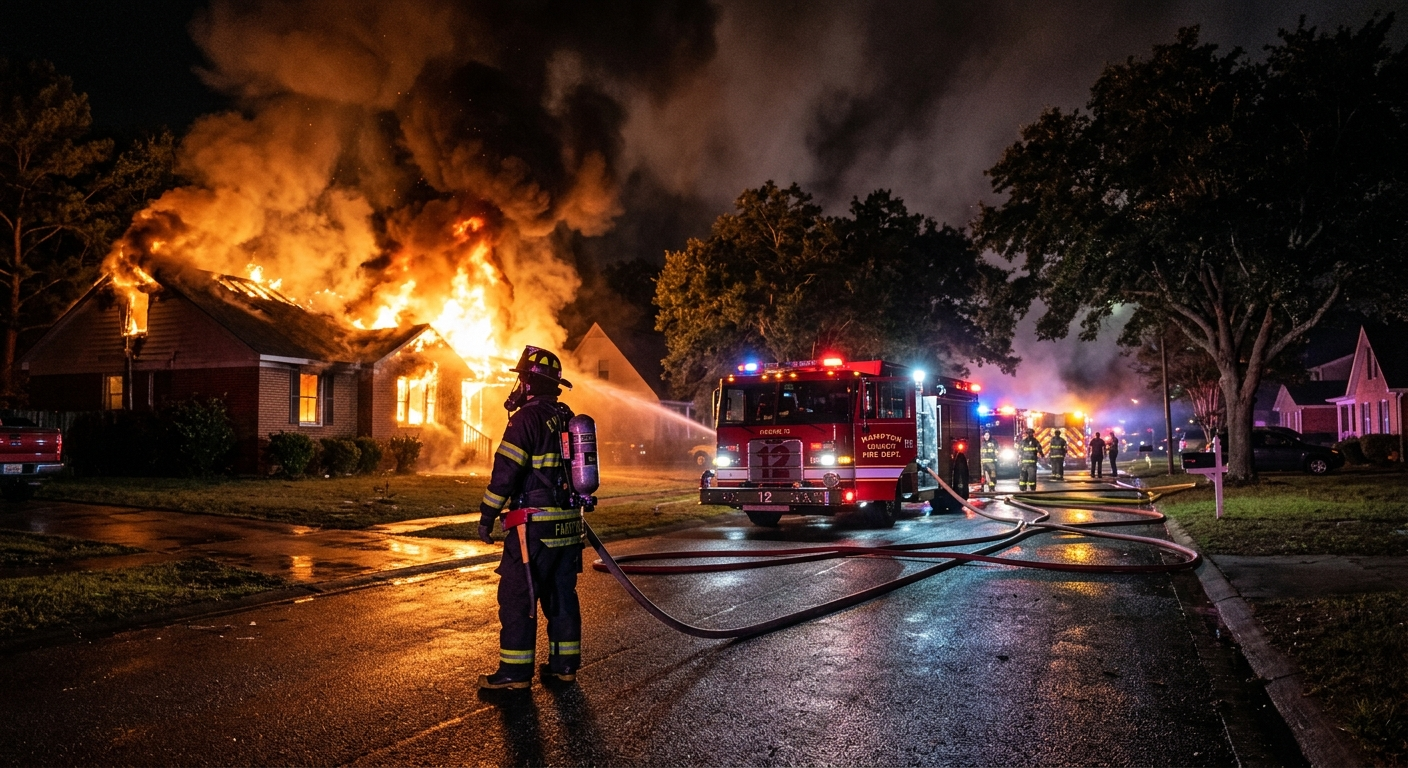
Vacant property insurance in South Carolina is a specialized policy that fills the gap left by a standard homeowners or landlord policy. Once a property sits empty for 30 to 60 consecutive days (the exact threshold depends on your carrier), most standard policies exclude or sharply limit coverage. In a state where coastal storms, humidity, and freeze events can damage a structure quickly, that gap is a real problem, whether you are between tenants, settling an estate, renovating a flip, or waiting to sell.

Why standard policies stop covering empty homes

Insurance carriers price policies around normal occupancy. An occupied home has someone there to notice a leaking pipe, a broken window, or a smoldering electrical outlet. A vacant home does not. That elevated risk is why most standard homeowners and rental dwelling policies include a vacancy clause, typically language that voids or limits coverage after 30 to 60 days of vacancy.

Here is what that usually means in practice:

  • Vandalism and malicious mischief are almost always excluded on vacant properties under standard policies.
  • Water damage from frozen or burst pipes is typically excluded because no one was there to maintain heat.
  • Glass breakage is frequently excluded once the vacancy clause kicks in.
  • Liability exposure remains. You can still be sued if someone is injured on the property, but your coverage may not respond the way you expect.

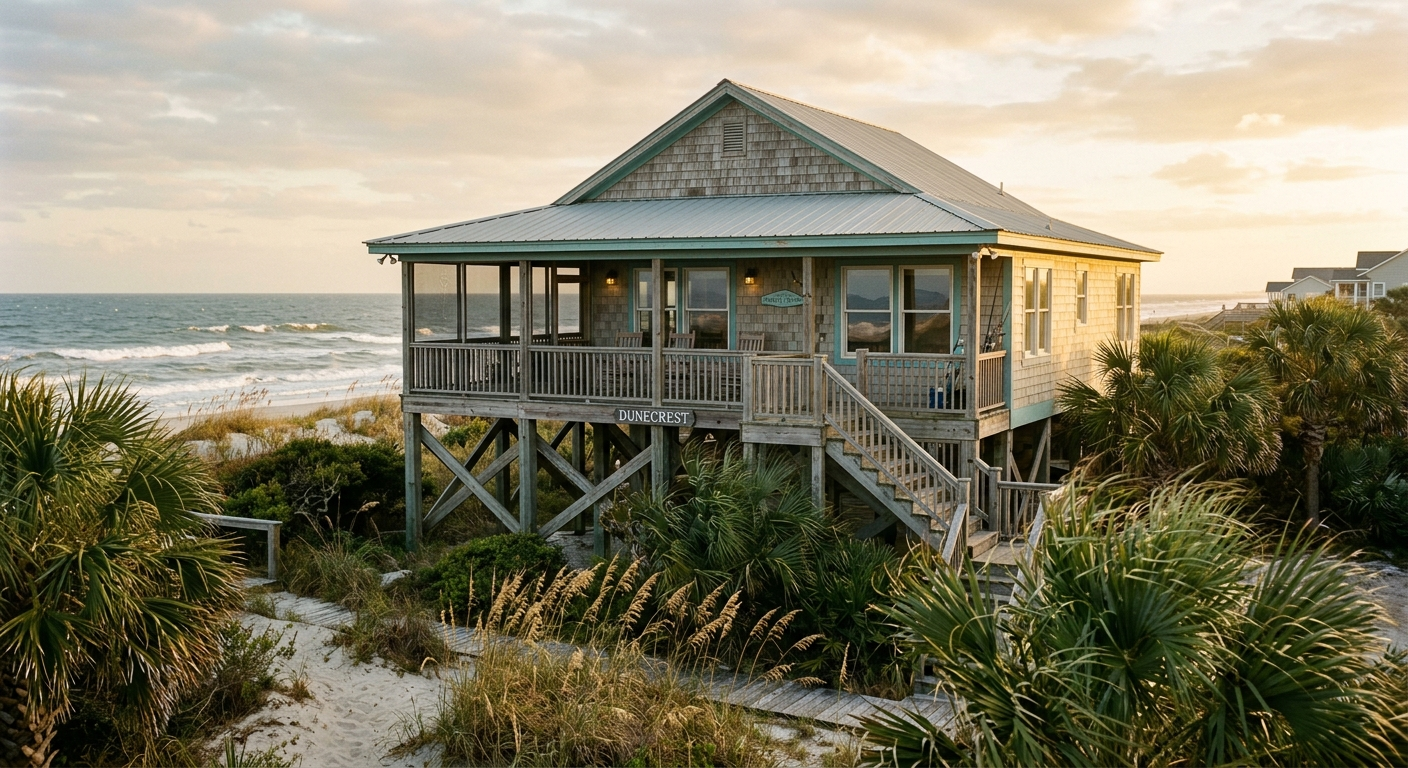
South Carolina's Grand Strand and Lowcountry areas add further complications. A beach cottage sitting empty between short-term rental seasons, a Georgetown fixer-upper waiting on permits, or a Conway home in probate all face the same carrier concern: no one is watching it.

When you need vacant property coverage

The situations that push a property into "vacant" territory are more common than most owners expect. Some of the most frequent scenarios along the South Carolina coast include:

  • Between tenants: a rental property being cleaned, repainted, or sitting while you screen applicants. Even a few weeks can trigger the vacancy clause depending on your policy language.
  • Estate properties: a home inherited from a family member that is being prepared for sale or going through probate. These can sit empty for months.
  • New construction or major renovation: if the property is not habitable, a builders risk policy may be the right fit, but a vacant property policy bridges gaps during lighter rehab work.
  • Seasonal or second homes: a Pawleys Island or Murrells Inlet property left empty for six months of the year. Some carriers treat extended vacancy differently than seasonal use, so the exact policy language matters.
  • Relocation gap: you have moved into your new home but have not yet sold the old one. Coverage under your standard policy may already be eroding.
  • Short-term rental off-season: a Myrtle Beach or North Myrtle Beach vacation property that sits dark from November through February. Your short-term rental policy may or may not cover true vacancy periods.

What a vacant property policy actually covers

A purpose-built vacant property policy restores the protections that standard policies pull back. Coverage specifics vary by carrier and form, but you can generally expect:

  • Fire and lightning: the most common cause of total losses in vacant structures and almost universally covered.
  • Windstorm and hail: critical in South Carolina, where named storms and severe convective events can damage a roof and interior in the same afternoon. Wind coverage on the coast often comes with a separate percentage deductible tied to the insured value of the home.
  • Vandalism and theft: the risks that increase fastest when a home sits empty and becomes a target.
  • Water damage: pipe bursts and plumbing failures, though some carriers still require you to winterize or maintain a minimum interior temperature.
  • Liability: protects you if a trespasser or contractor is injured on the premises.

What vacant property policies typically do not cover: flood, earthquake, and in many cases mold or pest damage resulting from prolonged neglect. Flood coverage in South Carolina must be purchased separately regardless of occupancy status, and the same holds true for earthquake insurance depending on your specific location.

How vacant property insurance is priced in South Carolina

Rates for vacant property coverage run higher than a comparable occupied home policy because the risk is genuinely higher. Several factors drive the price:

  • Location: coastal ZIP codes in Horry, Georgetown, and Beaufort counties carry elevated wind and flood exposure. A vacant home on the oceanside of Highway 17 will cost more to insure than the same square footage in Conway.
  • Construction type: wood frame homes cost more to insure than masonry or concrete block structures, all else equal.
  • How long the property will sit vacant: some carriers write policies in 3-month or 6-month increments. Longer terms cost more but protect against the unpredictable.
  • Security measures: deadbolts, alarm systems, exterior lighting, and regular property checks (documented visits every 30 days) can lower premiums with some carriers.
  • Claims history: both the property's history and your personal history as an insured factor in.
  • Coverage limit and deductible selected: vacant property policies are typically written on a named-perils basis at actual cash value (ACV) unless you specifically request replacement cost coverage. ACV means depreciation applies, which can leave a significant gap on an older home.

As a rough benchmark, vacant property premiums often run 1.5 to 3 times the cost of a standard homeowners policy on the same structure. For a $300,000 South Carolina home, that might mean anywhere from $1,500 to $4,000 or more per year depending on location and coverage selections. Getting actual quotes from multiple carriers is the only reliable way to know what your specific property will cost.

Landlord and rental property considerations

If you own rental property in South Carolina, the distinction between a landlord policy and a vacant property policy is worth understanding. A landlord insurance policy is designed for properties actively generating rental income with tenants in place. It typically covers the dwelling, loss of rental income, and liability. When the property goes vacant, that policy may suspend or exclude key coverages.

Some carriers offer a landlord policy with a built-in vacancy endorsement that extends protection for a defined period (commonly 30 to 90 days) between tenants. Others require you to switch to a standalone vacant property policy the moment occupancy ends. The safest move is to call your agent the day a tenant gives notice and get clarity on your specific policy's language before the property empties out.

If you own multiple rental units or an apartment complex, a coverage gap multiplies quickly. Carriers that specialize in investment property portfolios sometimes offer broader vacancy provisions as part of a package, which is worth exploring if you manage several properties along the Grand Strand.

Practical steps to protect a vacant South Carolina property

Insurance alone is not the whole answer. Carriers may require certain precautions as a condition of coverage, and some of these steps can directly lower your premium:

  • Document everything before vacancy begins. Photographs and video of the interior and exterior create a baseline if you ever need to file a claim.
  • Winterize plumbing if the home will sit empty in winter. South Carolina does get freezing temperatures, particularly inland and overnight. Pipe bursts in an unoccupied home cause significant damage before anyone notices.
  • Secure all entry points. Reinforced deadbolts, window locks, and a monitored alarm system where the budget allows. Some carriers require proof of securing before they will bind coverage.
  • Schedule regular inspections. Monthly walk-throughs, documented with dates and photos, show the carrier the property is not being abandoned. Some policies require this as a condition of coverage.
  • Notify your insurer immediately when vacancy begins. Do not wait. The coverage gap starts the day the property empties, not the day you remember to call.
  • Keep utilities connected. Electricity and water service allow you to maintain temperature and detect problems like a slow leak or HVAC failure before they become major losses.

Get the right coverage for your empty property

Moore and Associates Insurance is an independent agency serving property owners throughout Myrtle Beach, Conway, Georgetown, Pawleys Island, Murrells Inlet, and the surrounding Grand Strand and Lowcountry communities. As an independent agency, we compare rates and coverage terms across multiple carriers rather than being tied to a single company's options. That matters with vacant property insurance, where policy terms vary widely from one carrier to the next and the wrong form can leave you exposed at exactly the wrong moment.

Whether you have a rental property sitting between leases, an estate home in probate, or a beach house dark for the off-season, we can help you find coverage that fits the situation. Reach out to our team at (843) 839-5076 or get a quote online and we will walk through your options. You can also visit our vacant property insurance page to learn more about what we offer.

Telephone icon with a speech bubble.

Get A Quote

At Moore & Associates Insurance, securing your future is easy. Ready to protect what matters? Contact us for a quick quote and personalized insurance options!

Black telephone receiver icon.

Kelly

Speak to Kelly 24/7

Microphone icon.

Microphone ready


Black check mark on a white background.

Start your custom insurance quote

Black checkmark on a white background.

Instant answers to your insurance questions

Black check mark on a white background.

Schedule appointments or follow-ups

Person with a shield icon, indicating protection or security.

Personal Insurance

From auto and homeowners to renters and umbrella policies, we help protect your family and property. Let’s find coverage that fits your life.

Buildings, coins, and a shield icon representing financial security.

Commercial Insurance

We customize policies for your industry's risks, like general liability and workers' comp, ensuring you can run your business worry-free.

Contact Moore & Associates Insurance

249 S Federal Blvd, Denver, CO 80219

Share this article

Recent Posts

Conway South Carolina apartment complex street view with oak trees and Spanish moss on a sunny afternoon
By Moore & Associates Insurance September 10, 2026
Find out what renters insurance covers in Conway, SC, how much it costs, and why flood risk makes coverage especially important. Get a quote from a local agent
Aerial view of coastal South Carolina condo buildings near the water with storm clouds forming over the ocean
By Moore & Associates Insurance September 8, 2026
Your HO-6 won't cover flood damage. Learn what SC condo owners need for flood insurance, NFIP vs. private options, and HOA coverage gaps along the coast.
Sunlit apartment balcony overlooking a palm-lined street near the South Carolina coast
By Moore & Associates Insurance September 5, 2026
Renting on the Grand Strand? Your landlord's policy won't cover your stuff. Learn what renters insurance covers, what it costs, and how to get a free SC quote.
Construction site with wood framing and blue sky near the South Carolina coast, workers visible in the background
By Moore & Associates Insurance September 4, 2026
Learn what builders risk insurance covers in South Carolina, how much it costs, and what coastal risks affect your policy. Get a quote from Moore and Associates
Condo association board members reviewing insurance documents at a table in a South Carolina coastal building
By Moore & Associates Insurance September 2, 2026
South Carolina condo association board members face real legal risk. Learn how directors and officers insurance in SC protects your board and what coverage
Two cars stopped on a sunny South Carolina coastal highway after a minor fender-bender, with palm trees and blue sky in the
By Moore & Associates Insurance September 1, 2026
SC has one of the highest uninsured driver rates in the nation. Learn what UM/UIM coverage requires, how stacking works, and how to protect yourself on coastal
Aerial view of a multi-building apartment complex near the South Carolina coastline on a sunny day
By Moore & Associates Insurance August 30, 2026
Learn what apartment complex insurance in South Carolina covers, from property and flood to liability. Get the right policy for your Grand Strand rental
A two-story rental home on a quiet South Carolina street with a for-rent sign in the front yard on a sunny day
By Moore & Associates Insurance August 29, 2026
Own a rental property in South Carolina? Learn what rental dwelling insurance covers, what it costs, and how coastal risks affect your policy. Get a quote
Aerial view of a coastal South Carolina condominium complex near the beach on a sunny day
By Moore & Associates Insurance August 27, 2026
Learn what condo association insurance South Carolina HOAs are required to carry, from master policies to flood and D&O coverage. Get a free review today.
Oceanfront condo balcony view in Myrtle Beach South Carolina on a sunny day with palm trees and blue water
By Moore & Associates Insurance August 26, 2026
Learn what HO-6 condo insurance covers in Myrtle Beach, SC, what it costs, and how to fill flood and hurricane gaps. Get a quote from Moore & Associates
Show More