
What apartment complex insurance in South Carolina actually covers
If you own an apartment complex in South Carolina, whether it sits in Myrtle Beach, Conway, Georgetown, or anywhere along the Grand Strand, you are running a business with real exposure. Apartment complex insurance in South Carolina is not a single policy you buy off the shelf. It is a package of coverages assembled to protect the building itself, your liability as a landlord, your rental income, and sometimes your employees. Getting that package wrong can leave a six-figure gap between what your carrier pays and what a loss actually costs. This post covers what coverage you need, why South Carolina coastal risks change the math, and how to avoid being underinsured.
Building (property) coverage: the foundation of your policy
The core of any apartment complex policy is commercial property coverage , which pays to repair or rebuild your structures after a covered loss. For apartment owners, this typically includes the main residential building or buildings, detached garages and carports, fences, laundry facilities, leasing offices, and any other permanent structures on the property.
Two valuation options matter here:
- Replacement cost coverage pays to rebuild at today's material and labor prices, with no deduction for depreciation. This is what most lenders require.
- Actual cash value (ACV) pays replacement cost minus depreciation. Premiums are lower, but a 20-year-old building could leave you holding a large gap after a major loss.
South Carolina construction costs have risen sharply in recent years, especially along the coast where post-hurricane demand pushes up labor rates. If your building was last appraised five years ago, the insured value may already be thousands short of what it would cost to rebuild. Ask your agent to run a current replacement cost estimate before your next renewal.
Your commercial property policy also sets the deductible structure. In coastal counties like Horry and Georgetown, many carriers now apply a separate hurricane or named-storm deductible calculated as a percentage of insured value, often one to five percent, rather than a flat dollar amount. On a building insured for $2 million, a two percent hurricane deductible means you absorb the first $40,000 out of pocket. That is not a surprise you want to discover after a storm.
General liability: protection when tenants or visitors get hurt
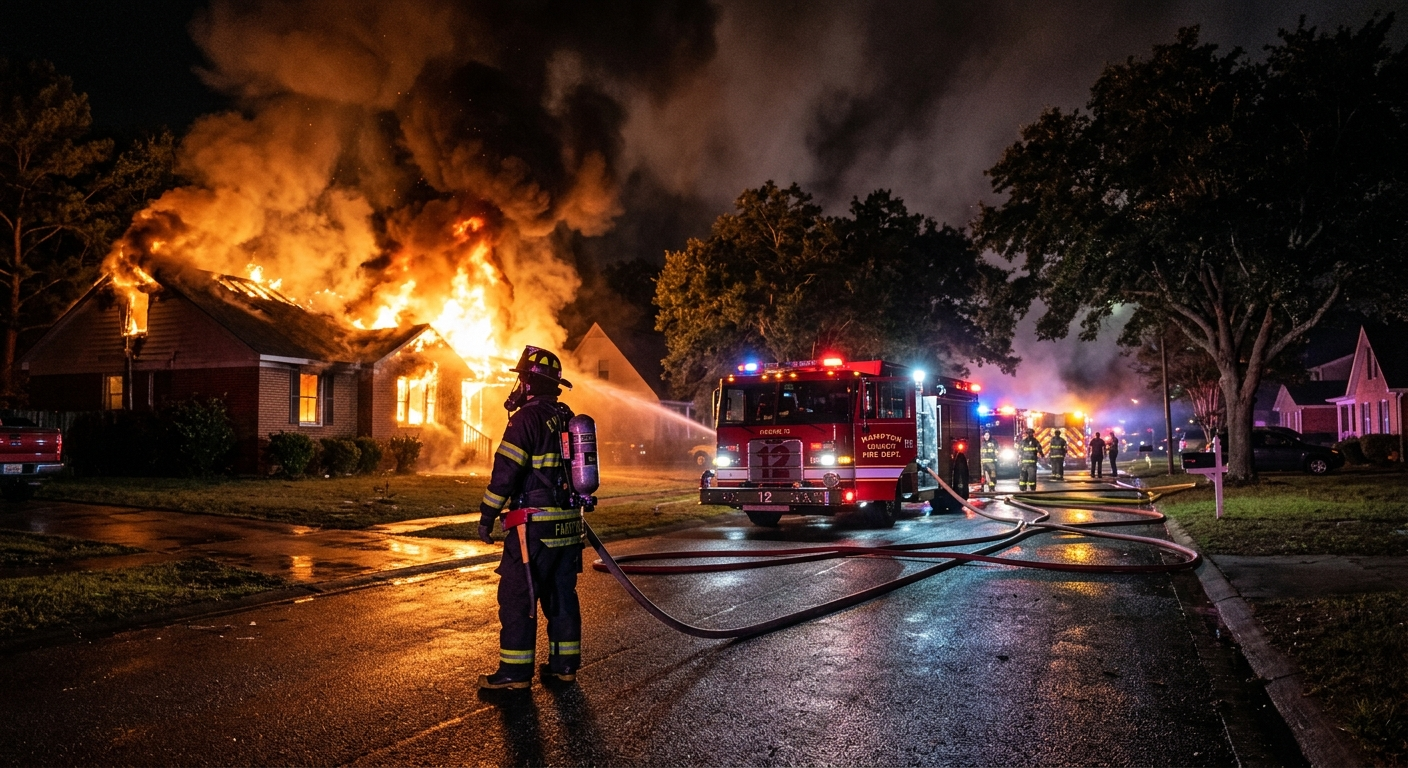
Apartment complex owners face premises liability every day. A tenant slips on an icy walkway in February, a visitor trips on a cracked parking lot, a child is injured at the pool. General liability insurance covers legal defense costs and any judgment or settlement that results from bodily injury or property damage claims connected to your property.
Standard general liability policies for apartment complexes typically offer limits of $1 million per occurrence and $2 million aggregate . For larger properties or those with pools, fitness centers, or playgrounds, umbrella coverage layered on top of general liability is worth considering. A single serious injury lawsuit can exceed base policy limits quickly.
South Carolina follows a modified comparative fault rule, meaning a plaintiff can recover damages as long as they are less than 51 percent at fault. That standard can make claims more costly for property owners than in pure contributory negligence states. Strong liability limits are not optional for apartment complex owners here.
You can learn more about how general liability coverage works and what it typically costs for South Carolina businesses.
Loss of rental income coverage: what happens when a unit is uninhabitable
If a fire, storm, or pipe burst forces tenants out of their units, your mortgage payment does not pause. Loss of rental income coverage (also called business income or rental value coverage) replaces the rent you would have collected while damaged units are being repaired.
This coverage is easy to undervalue. Owners often insure the monthly rent times twelve months, but post-hurricane repairs along the South Carolina coast can take 18 to 24 months when contractor demand spikes and materials are backordered. Setting the indemnity period at 12 months when rebuilding realistically takes 20 months leaves you funding that gap personally.
A useful companion to rental income coverage is business interruption coverage, which can extend to extra expenses you incur to keep operations running, such as temporary leasing office costs or storage fees for displaced materials. Talk through the indemnity period with your agent every year as repair timelines and construction costs change.
Flood and wind coverage: the South Carolina landlord's biggest blind spot
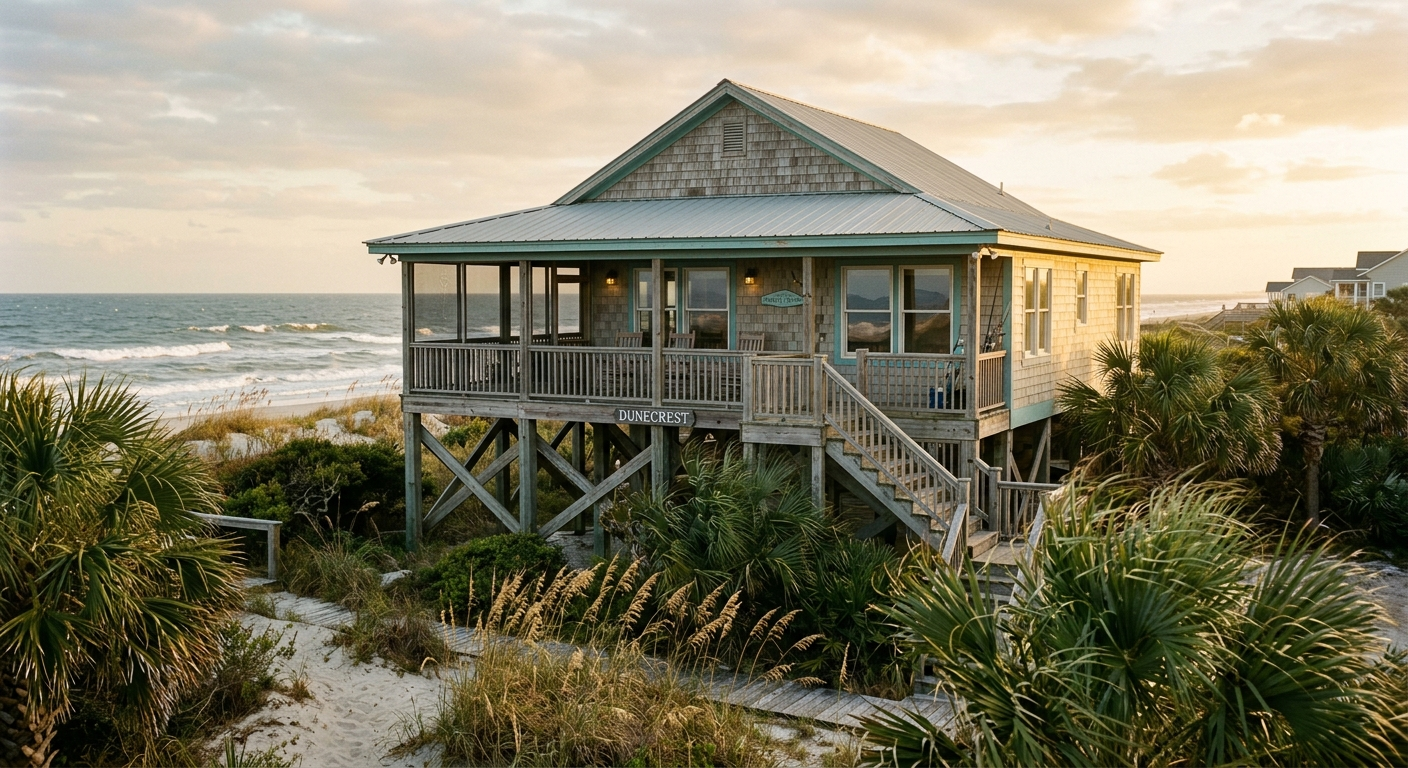
Standard commercial property policies exclude flood damage. They also frequently exclude or sublimit wind damage in coastal South Carolina. For apartment complex owners in Horry, Georgetown, and Brunswick counties, those two exclusions represent the most likely catastrophic losses.
Flood insurance for commercial properties can be purchased through the National Flood Insurance Program (NFIP), which covers building coverage up to $500,000 per structure, or through private surplus-lines carriers that offer higher limits and sometimes broader terms. If your complex has multiple buildings, NFIP coverage per building may be adequate. If you have one large building valued above $500,000, a private flood policy or an NFIP policy plus excess flood coverage is necessary to avoid a significant uncovered loss. You can read more about the differences between NFIP and private flood policies in the Myrtle Beach market.
Wind coverage in coastal South Carolina often requires a separate policy or a separate endorsement, especially for properties in the beach and wind pools managed by the South Carolina Wind and Hail Underwriting Association (SC WIND). Properties east of a designated line, which cuts through parts of Horry and Georgetown counties, may be ineligible for wind coverage through standard carriers and must access SC WIND for that peril. Premiums through SC WIND have increased substantially since 2020, which is one reason the total insurance cost for coastal apartment complexes has climbed even when claims history is clean.
Workers compensation and other coverages apartment owners often overlook
If you employ maintenance staff, a leasing agent, groundskeepers, or anyone else on a W-2 basis, South Carolina law requires you to carry workers compensation as soon as you have four or more employees. Even with fewer employees, carrying it protects you from unlimited out-of-pocket exposure if a worker is injured on the property.
A maintenance worker who falls from a ladder while servicing a third-floor unit, or a groundskeeper who injures a shoulder with landscaping equipment, can generate medical bills and lost wage claims well into six figures. Workers compensation coverage handles those claims and shields you from employee lawsuits for on-the-job injuries.
Two additional coverages worth considering for apartment complex owners:
- Umbrella or excess liability stacks additional limits, often $1 million to $5 million, above your general liability and auto liability policies. Given the litigation environment in South Carolina, this is an efficient way to buy substantial extra protection at a relatively low per-dollar premium cost. See how commercial umbrella coverage works.
- Equipment breakdown coverage pays to repair or replace HVAC systems, elevators, boilers, and other mechanical equipment when they fail due to a covered breakdown (not just a storm). Many apartment complex owners discover this gap when a central air unit fails in July and the repair bill comes in well above their out-of-pocket expectations.
How coastal South Carolina changes apartment complex insurance costs
Location matters more for apartment complex insurance in South Carolina than in most other parts of the country. Several factors push costs higher for Grand Strand and Lowcountry properties compared to inland South Carolina:
- Hurricane exposure. The South Carolina coast sits in a high-risk corridor for tropical systems. Carriers factor in wind and storm surge history when pricing and when deciding whether to write a property at all.
- Flooding risk. Both coastal storm surge and inland flooding from rivers and poor drainage affect Horry and Georgetown county properties. The Atlantic Beach, Surfside Beach, and Pawleys Island areas all have complex flood zone maps that affect NFIP pricing significantly.
- Coastal construction surcharges. Properties within a certain distance of the coast face surcharges from many standard carriers, and some decline to write them entirely, pushing owners into the surplus-lines market where premiums run higher.
- Vacancy concerns. Seasonal vacancy in resort-heavy areas like Myrtle Beach and North Myrtle Beach can affect policy eligibility. Some carriers restrict coverage when occupancy drops below a threshold during the off-season.
Because of these factors, an apartment complex in Murrells Inlet or Garden City might carry total insurance costs (property, flood, wind) two to three times higher per unit than a comparable inland property in Greenville or Spartanburg. Working with an independent agent who writes in this market regularly is the practical way to find carriers willing to offer competitive terms.
What landlords with multiple properties should know about policy structure
If you own more than one apartment complex or a mix of apartment buildings and other rental properties, a commercial package policy or a portfolio approach often produces better coverage and pricing than insuring each building under a separate standalone policy. Package policies can combine property, liability, and loss of income coverages into a single form with a single premium, which simplifies renewals and can reduce overall cost.
Some landlords with several smaller buildings also look at a commercial package policy structure that allows them to schedule all buildings under one set of terms rather than managing multiple separate renewals. For apartment owners growing a portfolio along the Grand Strand, this is worth exploring early rather than after you have three or four buildings on different renewal dates with different carriers.
It is also worth revisiting your policy structure any time you renovate or add square footage. Building improvements increase replacement cost and may void coverage if the carrier's insured value does not reflect the upgraded building. A kitchen and bathroom renovation in a 12-unit building can add meaningful replacement value that an outdated policy does not cover.
Get the right coverage for your South Carolina apartment complex
Apartment complex insurance in South Carolina is more complicated than a standard landlord policy, and the coastal exposure in Horry and Georgetown counties makes it more expensive and more consequential to get right. The difference between a well-structured policy and one that was simply the cheapest option at renewal can be hundreds of thousands of dollars when a hurricane or fire hits.
Moore and Associates Insurance is an independent agency serving apartment and rental property owners throughout the Myrtle Beach area, Conway, Georgetown, and the Grand Strand. As an independent agency, we compare coverage and pricing across multiple carriers to find the combination that fits your property, your budget, and your risk profile, rather than being limited to one company's products.
If you own an apartment complex in South Carolina and want a review of your current coverage or a fresh quote, reach out to our team today. Call us at (843) 839-5076 or contact Moore and Associates Insurance online to get started. We also work with owners of single-family rentals and other investment properties, so if you have questions about apartment building owners insurance in the Myrtle Beach and Conway area, we can walk you through your options in detail.
Get A Quote
At Moore & Associates Insurance, securing your future is easy. Ready to protect what matters? Contact us for a quick quote and personalized insurance options!
Kelly
Speak to Kelly 24/7
Microphone ready
Start your custom insurance quote
Instant answers to your insurance questions
Schedule appointments or follow-ups
Personal Insurance
From auto and homeowners to renters and umbrella policies, we help protect your family and property. Let’s find coverage that fits your life.
Commercial Insurance
We customize policies for your industry's risks, like general liability and workers' comp, ensuring you can run your business worry-free.