What business interruption insurance actually covers in South Carolina
Business interruption insurance in South Carolina is one of those coverages that business owners hear about, assume they have, and then discover too late that they either never had it or did not understand what it does. A hurricane shuts down your restaurant for six weeks. A fire in a neighboring unit forces you to close your Myrtle Beach retail shop for two months. Flooding from a nor'easter takes out your office equipment and your ability to serve customers. Without business interruption coverage, you pay your fixed costs out of pocket while revenue sits at zero.
This post explains how the coverage works, what it pays for, what it excludes, and how small businesses along the Grand Strand and throughout Horry and Georgetown counties should think about their limits.
The core mechanics: what gets paid and when
Business interruption insurance (also called business income insurance) replaces the net income your business would have earned during a covered shutdown. It also reimburses the continuing operating expenses you still owe even when the doors are closed: rent, loan payments, utilities, employee salaries, and insurance premiums.
The phrase most policies use is that coverage applies when the shutdown is caused by a covered peril under your commercial property policy. The trigger is almost always physical damage to property from a covered cause, such as:
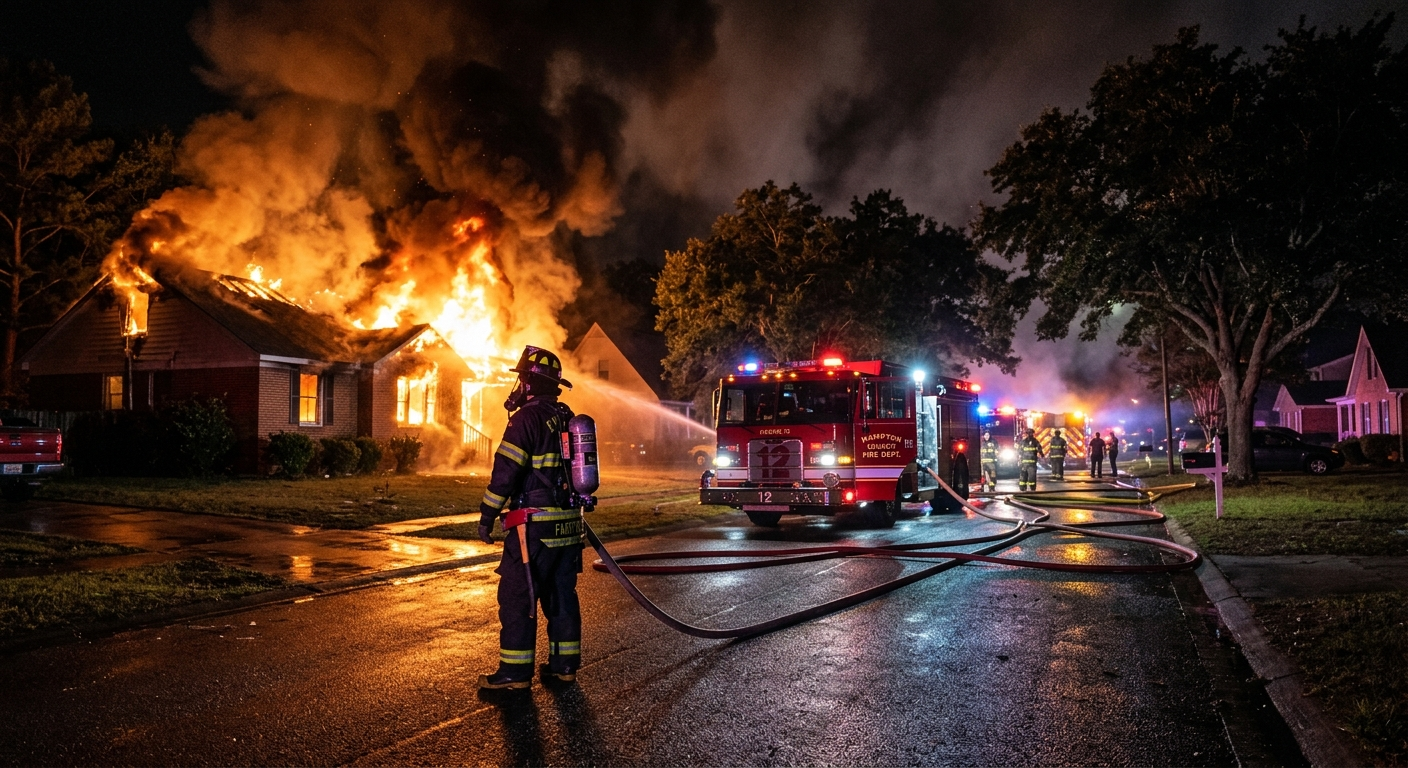
- Fire , one of the most common business income triggers nationwide
- Wind and hail damage , a significant risk along the South Carolina coast
- Vandalism or theft that causes structural damage , included in most property forms
- Burst pipes or accidental water damage , covered under most commercial property policies
The insurer calculates your loss based on your historical financials , typically profit and loss statements from the prior 12 months. The more accurate and current your bookkeeping, the smoother the claims process.
What business interruption insurance does not cover
This is where many business owners are caught off guard, particularly after major weather events on the South Carolina coast.
- Flood damage , standard commercial property policies exclude flood, which means business interruption attached to that policy also excludes flood. If storm surge from the Atlantic shuts you down, a separate flood insurance policy is what you need to look at for property damage, though business income from flood is a separate and often more complex discussion.
- Pandemic or communicable disease closures , most policies now contain explicit exclusions for virus-related shutdowns following the COVID-19 litigation wave.
- Undocumented income , if your books do not clearly show the revenue, proving the loss to an adjuster is very difficult.
- Utility or government closures without physical damage to your property , losing power because the grid went down is not automatically covered unless your policy includes a utility services endorsement.
- Losses below the waiting period , most policies include a 72-hour waiting period before coverage begins. A two-day closure may not trigger a payment at all.
One gap that South Carolina coastal businesses should watch closely is wind-driven rain . If water enters through a damaged roof or broken window during a named storm, that may be covered under commercial property. The resulting business income loss, however, is only covered if the underlying property damage is covered. Review your hurricane deductible and wind exclusion language before storm season.
The restoration period: how long does coverage last?
Coverage runs through the restoration period , meaning the time reasonably required to repair or rebuild the damaged property and resume normal operations. Most standard policies cap this at 12 months, though some extend to 18 or 24 months.
For a small Myrtle Beach boutique that suffers a kitchen fire, 12 months may be more than enough. For a larger Georgetown County operation that requires permits, contractor scheduling, and inspections, 12 months can disappear quickly, especially given the post-storm contractor bottlenecks that routinely follow major South Carolina weather events.
An extended business income endorsement picks up where the restoration period ends and covers the period after reopening while revenue climbs back to normal. This is worth asking about if your business depends on seasonal traffic, as many do along the Grand Strand.
Extra expense coverage: keeping the business alive during the closure
Many business income policies include, or can be endorsed to include, extra expense coverage . This pays for costs above your normal operating expenses that you incur specifically to reduce or avoid the shutdown. Examples include:
- Renting temporary space to continue operating while your primary location is repaired
- Expediting repairs by paying higher rates for faster contractor turnaround
- Leasing replacement equipment while yours is replaced
- Moving inventory to a temporary location to prevent further loss
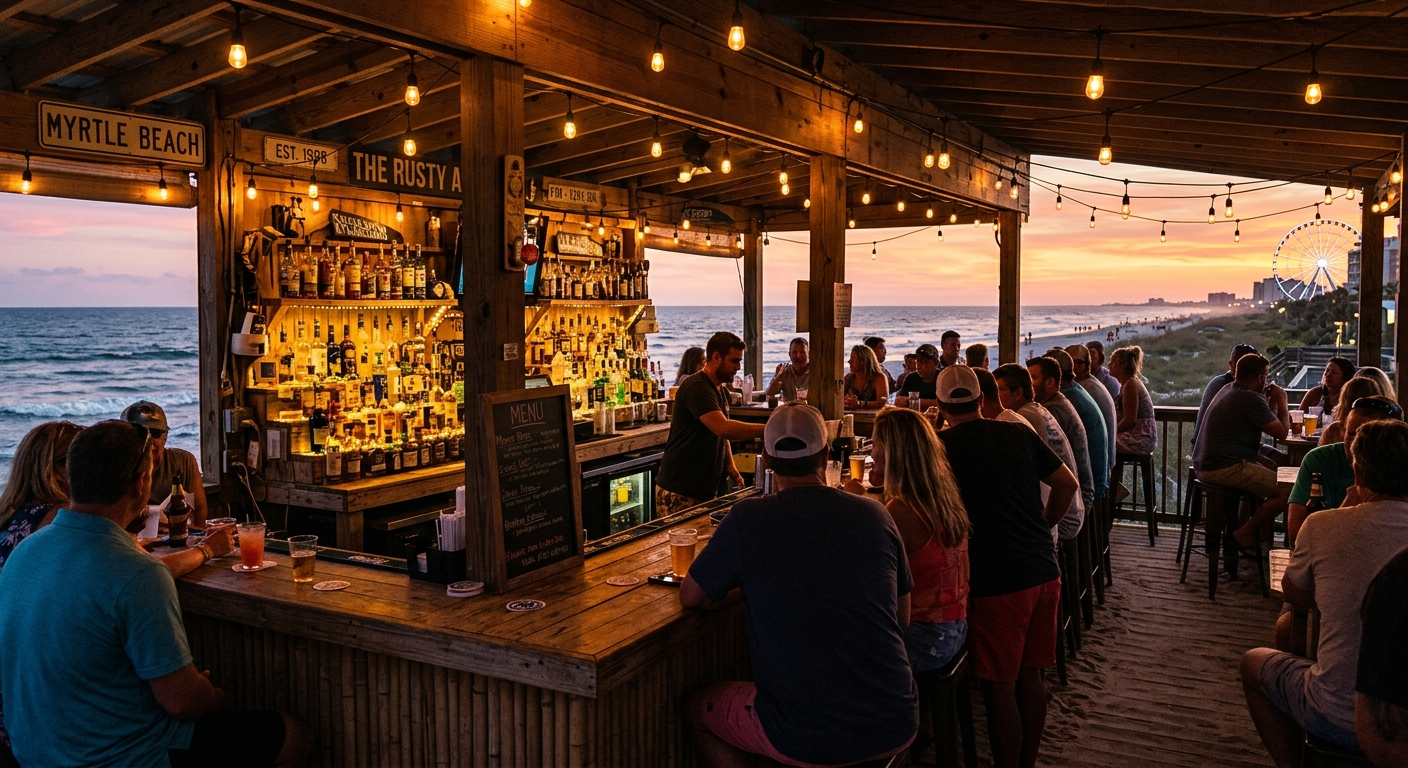
For a restaurant or hospitality business on the Myrtle Beach strip, setting up a temporary location or pivoting operations during repairs can determine whether the business survives the closure with its customer base intact. Extra expense coverage funds that kind of response. If you operate in the hospitality space, pairing business interruption with the right hospitality insurance package gives you a solid foundation.
How limits are set and where businesses underestimate
Setting your business interruption limit correctly is one of the most common places small businesses make expensive mistakes. The starting point is your gross earnings or gross profits , depending on the form your policy uses.
Under a gross earnings form , the insurer pays the difference between your projected gross earnings and what you actually earn during the closure, minus non-continuing expenses. Under a gross profit form (more common in commercial package policies today), the calculation is similar but based on gross profit margins. Either way, the math depends on a clear, documented picture of your financials.
South Carolina small businesses often underestimate their limits for two reasons:
- They base limits on a slow period rather than peak season. For a Murrells Inlet seafood restaurant, peak summer revenue may be three times the off-season average. A closure from June through August is a very different financial hit than the same closure in February.
- They forget continuing expenses that do not stop when revenue does: loan payments, lease obligations, professional service retainers, and payroll for key employees they cannot afford to lose.
A reasonable starting point: add up 12 months of net income plus 12 months of continuing fixed expenses. Then adjust upward if your restoration period coverage extends beyond 12 months.
Business interruption as part of a broader commercial policy
Business interruption is almost never purchased as a standalone policy. It is typically included in or attached to a Business Owners Policy (BOP) or a Commercial Package Policy (CPP) , bundled alongside commercial property and general liability coverage.
For many small to medium businesses in South Carolina, a BOP is the most cost-efficient entry point. A BOP designed for a small retail or service business may include a default business income sublimit, often around 12 months of projected income , but the actual sublimit varies by carrier and policy form. Read the declarations page rather than assume.
Larger or more complex operations, including commercial landlords, contractors, or businesses with multiple locations, often need a CPP with a separately negotiated business income limit. If you own a commercial building and rent space to tenants, ask about rental income coverage , which replaces rent you cannot collect because the building is damaged and tenants cannot operate.
For a closer look at how a BOP bundles these protections, the business owners policy guide for South Carolina walks through what is typically included and where the gaps tend to appear.
Special considerations for South Carolina coastal businesses
Operating a business in Horry County, Georgetown County, or anywhere along the Grand Strand introduces risk factors that inland businesses do not face at the same frequency or severity.
Named storm risk is the obvious one. South Carolina has been hit by or significantly affected by multiple hurricanes and tropical storms in recent decades, including Hugo in 1989, Floyd in 1999, Matthew in 2016, and Dorian in 2019. Each of those events caused extended business closures across the coast. The question is not whether another storm will cause closures but whether your business income coverage is in place and adequately funded when it does.
Power outage risk is secondary but significant. Extended grid outages after a major storm can last days to weeks. Standard business income coverage requires physical damage to your property. If your building is undamaged but the power is out for two weeks, you may have no coverage unless you have a utility services endorsement or contingent business interruption language in your policy.
Seasonal revenue concentration adds another complication. A business that earns 60 percent of its annual revenue between Memorial Day and Labor Day faces a much larger loss if a storm hits in July than one with steady year-round revenue. Your restoration period limit and extra expense coverage need to reflect that reality.
If your business operates in a flood-prone area, note that even when flood is excluded from your commercial property policy, some carriers offer business income extensions under flood policies or through the National Flood Insurance Program's commercial building forms. Ask specifically about this if your location is in or near a FEMA-designated flood zone.
General liability vs. business interruption: a quick clarification
These two coverages serve completely different purposes. General liability insurance protects your business from third-party claims, meaning bodily injury or property damage claims brought against you by customers, vendors, or the public. Business interruption replaces your own lost income when a covered event forces you to stop operating. You need both, and they are typically packaged together in a BOP or CPP for that reason.
Get a business interruption quote with Moore & Associates Insurance
Moore & Associates Insurance is an independent insurance agency serving Myrtle Beach, Conway, Georgetown, Pawleys Island, Murrells Inlet, and communities throughout the Grand Strand and Lowcountry. As an independent agency, we compare coverage and pricing across multiple carriers rather than being tied to a single company's offerings. That means we can find the business income limits, endorsements, and deductible structures that match how your business actually operates, not a generic template.
If you are not sure whether your current policy includes business interruption coverage, what your sublimit is, or whether your restoration period is long enough, those are exactly the kinds of questions we help answer. You can reach us at (843) 839-5076 or request a quote online and we will review your current coverage and identify any gaps before the next storm season arrives.
Get A Quote
At Moore & Associates Insurance, securing your future is easy. Ready to protect what matters? Contact us for a quick quote and personalized insurance options!
Kelly
Speak to Kelly 24/7
Microphone ready
Start your custom insurance quote
Instant answers to your insurance questions
Schedule appointments or follow-ups
Personal Insurance
From auto and homeowners to renters and umbrella policies, we help protect your family and property. Let’s find coverage that fits your life.
Commercial Insurance
We customize policies for your industry's risks, like general liability and workers' comp, ensuring you can run your business worry-free.