
Hired and non-owned auto insurance in South Carolina: what business owners need to know
Hired and non-owned auto insurance is the kind of coverage that goes unnoticed until a claim arrives. If your business operates in South Carolina and an employee ever drives their personal car on a work errand, or your company rents a vehicle for a trip, your standard general liability policy almost certainly will not cover the accident that follows. That gap can expose you to a lawsuit, a six-figure judgment, and a business you have spent years building. Below is a plain-language explanation of how this coverage works, who needs it, and how it fits into a sound commercial insurance program on the Grand Strand and beyond.
What hired and non-owned auto insurance actually covers
The name sounds technical, but the concept is straightforward. This coverage has two distinct parts that are usually bundled into a single endorsement or standalone policy.
- Hired auto coverage protects your business when you or an employee rents, leases, or borrows a vehicle in the company's name for business purposes. A sales manager renting a car at Myrtle Beach International to meet a client in Georgetown is a typical example.
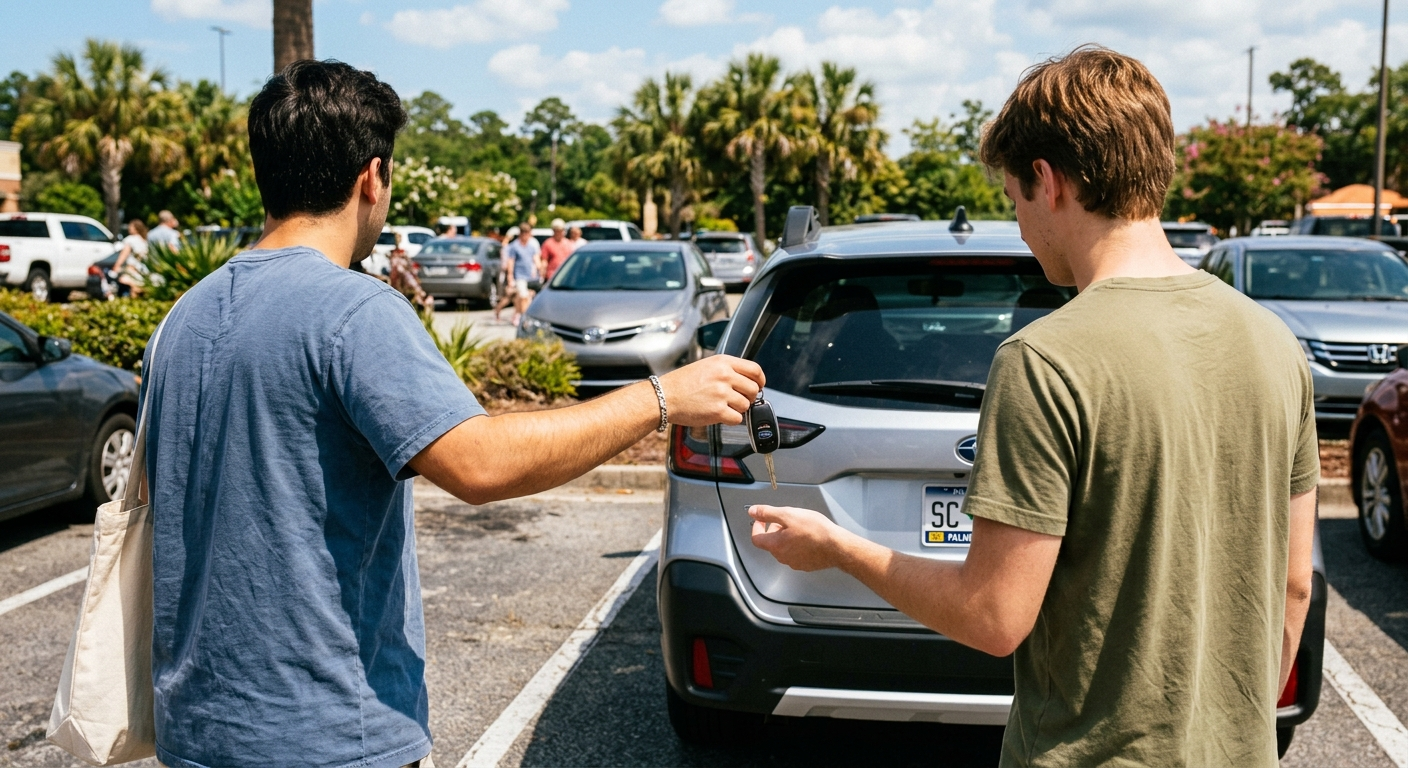
- Non-owned auto coverage protects your business when an employee uses their personal vehicle for a work-related task and causes an accident. Examples include a bookkeeper driving to the bank to make a deposit, a property manager showing a rental unit in Murrells Inlet, or a delivery driver running a quick errand in their personal truck.
In both situations, the employee's personal auto policy responds first. But personal policies have limits, and those limits can be exhausted quickly in a serious accident. Hired and non-owned auto (HNOA) coverage steps in to protect the business from liability that spills over. It pays for bodily injury and property damage claims made against your company, not the repair of the vehicle itself (that is a separate physical damage question).
Why South Carolina businesses face real exposure without it
South Carolina requires all drivers to carry minimum auto liability limits of $25,000 per person / $50,000 per accident for bodily injury and $25,000 for property damage . Those minimums sound reasonable until you consider that a serious injury accident can run into hundreds of thousands of dollars in medical bills, lost wages, and legal fees.
When an employee driving their own car causes an accident while on a work errand, the injured party's attorney will typically look beyond that employee's personal policy. Under the legal theory of respondeat superior (Latin for "let the master answer"), South Carolina courts can hold a business liable for the negligent acts of its employees performed within the scope of employment. That means your business assets are at risk even though your name is not on the vehicle's title.
The Myrtle Beach and Grand Strand area adds another layer of risk. Heavy tourist traffic, congested US-17 Bypass intersections, and a steady stream of rental cars and unfamiliar drivers make auto accidents more common here than in many other parts of the state. If your team is making sales calls in North Myrtle Beach or handling deliveries in Conway, the exposure is real and constant.
For a closer look at how South Carolina's auto insurance rules affect your business operations, the post on South Carolina car insurance laws, minimums, and requirements covers the regulatory details.
Who needs hired and non-owned auto coverage
More businesses than you might expect carry meaningful HNOA exposure. Common examples along the South Carolina coast include the following.
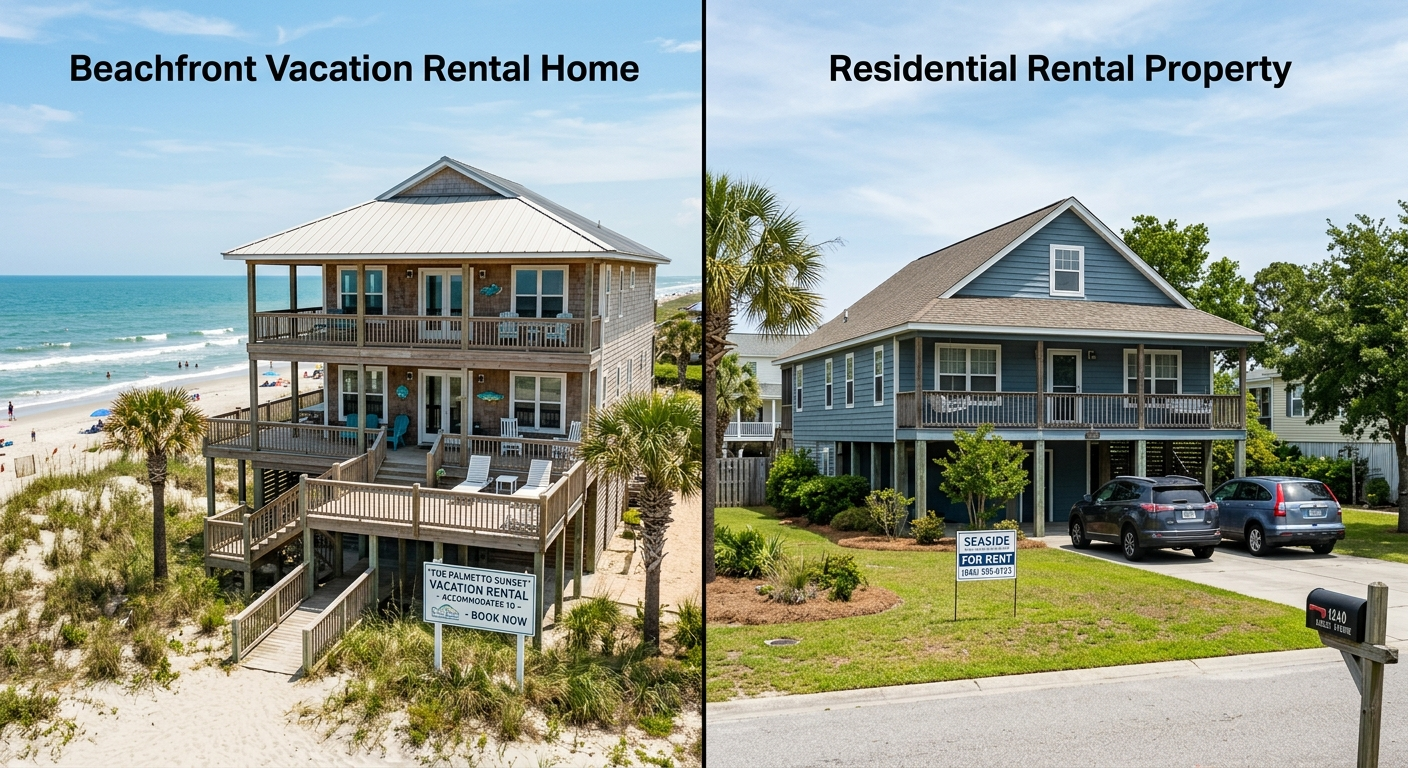
- Real estate agencies and property managers , agents and managers routinely use personal vehicles to show properties, conduct inspections, and make runs to the county courthouse in Georgetown or Conway.
- Restaurants and caterers , a catering van rented for an event or a line cook sent to pick up supplies both create HNOA exposure. If you run a restaurant in the Grand Strand area, review your current policy carefully.
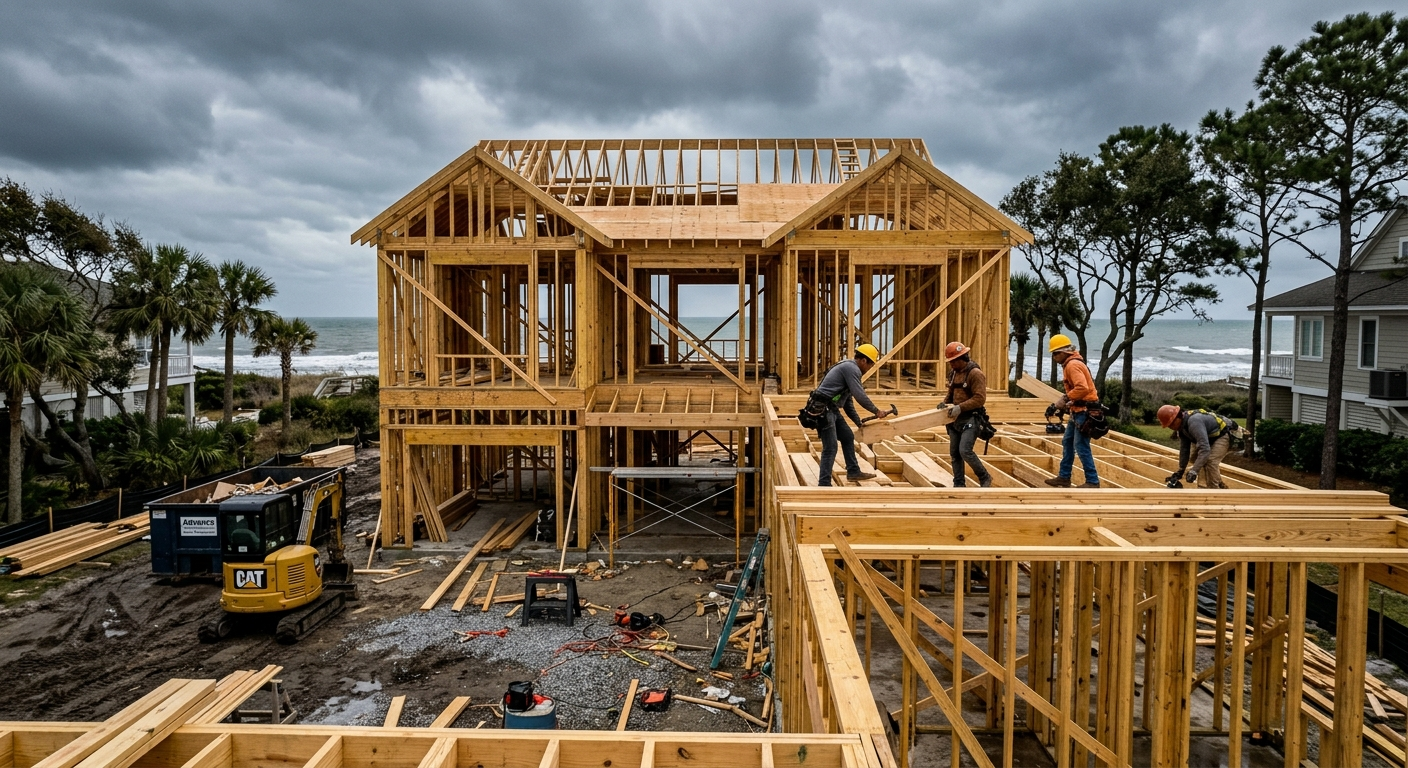
- Construction and contractors , project managers and estimators often use their own trucks to visit job sites, and rental vehicles are common when company trucks are in the shop.
- Healthcare, law, and professional services firms , staff who travel between offices or visit client locations in their own cars put the firm at risk if something goes wrong.
- Nonprofits and churches , volunteers driving their own vehicles for organization activities are a classic non-owned auto scenario that catches many organizations off guard.
- Staffing and home care agencies , workers who travel between client locations in personal vehicles create persistent exposure throughout every shift.
The one scenario where HNOA is generally not needed: your business owns its own fleet of titled commercial vehicles. Those vehicles belong under a commercial auto policy, which is a separate and more comprehensive product. HNOA fills the gap for vehicles the business does not own.
How HNOA fits into your broader commercial insurance program
Hired and non-owned auto coverage is rarely purchased in isolation. It most often appears as an endorsement added to a Business Owners Policy (BOP) or as part of a broader commercial package. Understanding how the pieces fit together helps you avoid both gaps and unnecessary duplication.
General liability is not a substitute
Some business owners assume their general liability policy handles auto-related claims. It does not. Standard GL policies contain an auto exclusion that specifically removes coverage for bodily injury or property damage arising from the use of an automobile. HNOA fills that exclusion for hired and non-owned vehicles.
Your commercial umbrella can extend over HNOA
If you carry a commercial umbrella policy, it typically sits above your HNOA coverage and provides an additional layer of protection once the underlying HNOA limits are exhausted. For businesses with significant road exposure, this combination is worth discussing with your agent.
Physical damage is a separate question
HNOA covers your liability to others. It does not repair the rented car after an accident. For hired vehicles, the rental company's collision damage waiver or a separate physical damage endorsement handles the vehicle itself. Knowing this distinction prevents an unpleasant surprise at the rental counter.
What it costs and how carriers price it
HNOA is one of the more affordable commercial coverages available. When added as an endorsement to an existing BOP or commercial package, the additional premium is often in the range of $150 to $500 per year for a small business, though the actual number depends on several factors.
- Number of employees , more drivers means more exposure, and carriers will ask how many employees regularly use personal or rented vehicles for work.
- Business type and industry , a consulting firm whose staff rarely drives on business will pay less than a catering company whose team is on the road daily.
- Annual mileage driven for business purposes , some carriers ask for an estimate of total business miles driven in non-owned vehicles each year.
- Employee driving records , like commercial auto, insurers may check motor vehicle records (MVRs) for employees who regularly drive on company business.
- Limits selected , most policies are written at $1 million per occurrence , which is the standard benchmark most commercial contracts require.
For a small business in Horry or Georgetown County, the cost of going without this coverage is nearly always higher than the cost of carrying it. One at-fault accident with a serious injury can generate a claim exceeding a million dollars before the case ever goes to trial.
Practical steps before you buy
A few things you can do now to address this coverage gap.
- Audit your employee driving activity , list every job function where a team member might drive a personal or rented vehicle for a work-related reason, including tasks that feel minor, like bank runs or office supply pickups.
- Check your current policies , review your BOP, GL policy, and any commercial auto policy for auto exclusions. If you find one and have no HNOA endorsement, that is the gap to close.
- Establish a written vehicle use policy , require employees who drive personal vehicles for work to maintain at least $100,000 / $300,000 in personal auto liability limits . Document this in writing. It reduces your exposure, and some carriers will give you credit for it.
- Review rental car procedures , decide in advance whether the company will purchase the rental company's collision damage waiver or rely on a hired auto physical damage endorsement. Inconsistency here leads to coverage disputes.
- Bundle where it makes sense , adding HNOA to an existing BOP is almost always cheaper than buying a standalone policy. If you do not have a BOP yet, the post on Business Owners Policy options in South Carolina is a good starting point for understanding what that package covers.
Talk to Moore & Associates Insurance about covering your business vehicles
At Moore & Associates Insurance , we work with businesses across Myrtle Beach, North Myrtle Beach, Murrells Inlet, Conway, Georgetown, and the surrounding Grand Strand communities every day. As an independent agency, we are not tied to a single carrier. We shop your coverage across multiple insurers to find the right combination of limits, endorsements, and price for your specific operation.
Hired and non-owned auto insurance costs very little to add and can protect everything you have built if an employee gets into an accident on a work errand. If you are not sure whether your current commercial policy covers this exposure, now is the time to find out.
Call us at (843) 839-5076 or visit our get-a-quote page to start a conversation. We will review your existing coverage, identify any gaps, and put together a program that makes sense for your business. You can also learn more about our full range of commercial insurance solutions for South Carolina businesses.
Get A Quote
At Moore & Associates Insurance, securing your future is easy. Ready to protect what matters? Contact us for a quick quote and personalized insurance options!
Kelly
Speak to Kelly 24/7
Microphone ready
Start your custom insurance quote
Instant answers to your insurance questions
Schedule appointments or follow-ups
Personal Insurance
From auto and homeowners to renters and umbrella policies, we help protect your family and property. Let’s find coverage that fits your life.
Commercial Insurance
We customize policies for your industry's risks, like general liability and workers' comp, ensuring you can run your business worry-free.