Liquor liability insurance in South Carolina: what bars, restaurants, and event venues need to know
If your business sells, serves, or even gives away alcohol in South Carolina, liquor liability insurance is not optional. One intoxicated patron who causes an accident after leaving your establishment can produce a lawsuit that wipes out years of revenue. Along the Grand Strand, in Conway, Georgetown, and throughout Horry County, bars and restaurants face this exposure every single night. This post covers exactly what the coverage does, what South Carolina law requires, what you should expect to pay, and where the gaps are that catch business owners off guard.
How South Carolina's dram shop law creates your liability
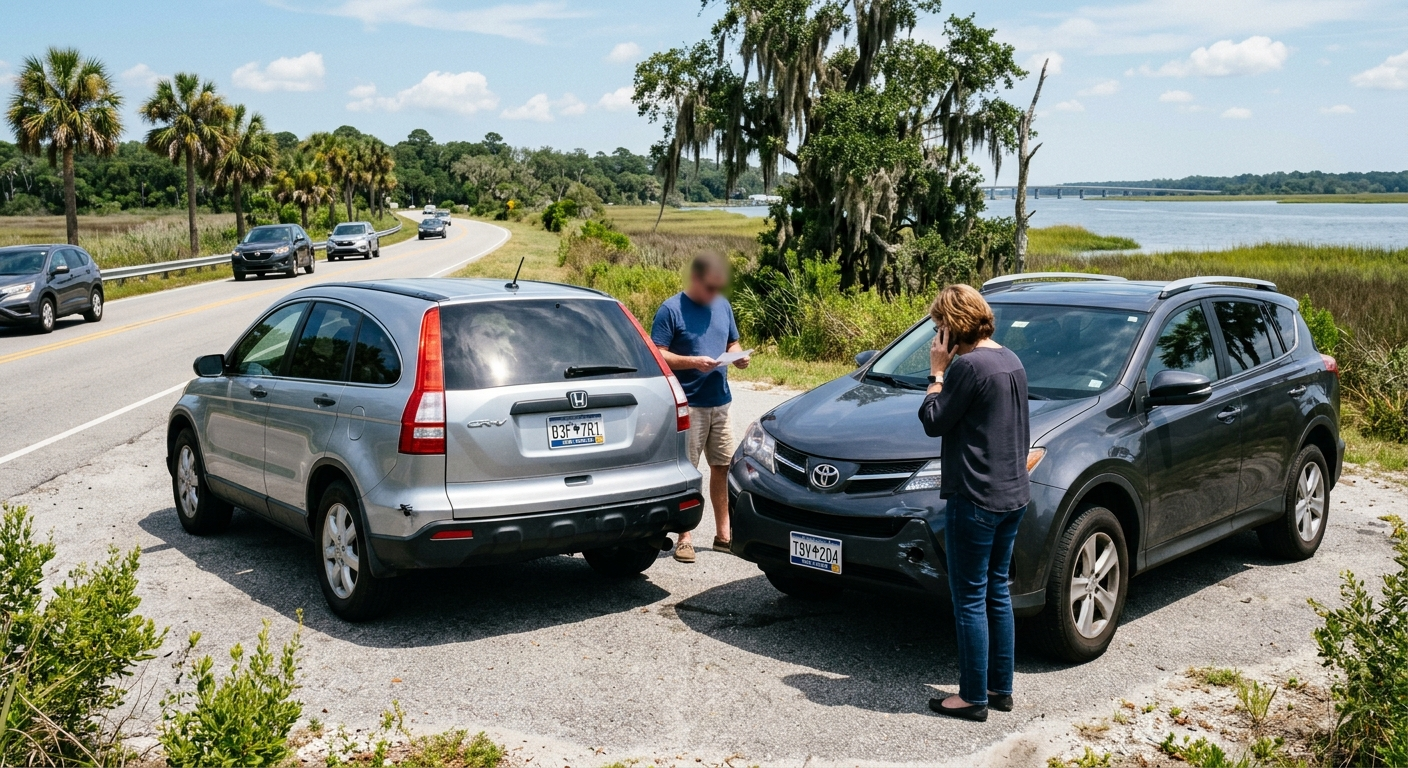
South Carolina operates under a dram shop liability framework. Under South Carolina Code Section 61-6-30, a licensed alcohol seller can be held civilly liable for damages caused by a visibly intoxicated person to whom they continued to serve alcohol. If a bartender keeps pouring for a guest who is clearly drunk, and that guest then drives into another car on Highway 17, your business can be sued alongside the driver.
Courts in South Carolina have awarded judgments well into the seven-figure range in dram shop cases. A single incident can generate multiple claims: the injured third party, passengers in the vehicle, property owners, and in some circumstances the intoxicated guest themselves. General liability policies often exclude liquor-related claims, so relying on a standard commercial policy without a dedicated liquor endorsement leaves a large gap in your protection.
South Carolina's statute applies not just to bars and restaurants, but to caterers, private clubs, event venues with a temporary beer and wine permit, and any business that provides alcohol as part of its service. If you sell a bottle opener and a six-pack at a convenience store, this exposure applies to you as well.
What liquor liability insurance actually covers
A standalone liquor liability policy , or a liquor liability endorsement added to your commercial package, responds when a claim arises from the sale or service of alcohol. A typical policy covers:
- Third-party bodily injury : medical bills, lost wages, and pain-and-suffering damages for people hurt by an intoxicated patron your establishment served.
- Third-party property damage : repairs or replacement costs when a drunk driver your bar served destroys someone's car, fence, or building.
- Legal defense costs : attorney fees, court costs, and expert witness expenses, which can climb quickly even when the lawsuit is ultimately defeated.
- Assault and battery : many (not all) liquor liability policies include coverage for fights that break out on the premises, since altercations involving intoxicated patrons are a common source of claims.
Liquor liability does not cover damage to your own property, injuries to your employees (those fall under workers compensation), or criminal penalties if your staff is charged with a crime related to over-service. It is also not a substitute for general liability insurance, which handles the broader slip-and-fall, product liability, and advertising injury exposures every business faces.
Who in Myrtle Beach and along the Grand Strand actually needs this coverage
The obvious answer is bars and nightclubs, and Myrtle Beach has plenty of both. But the list is longer than most business owners realize:
- Full-service restaurants : any restaurant with a beer and wine or liquor license in South Carolina is exposed under the dram shop statute the moment alcohol is sold.
- Breweries, distilleries, and taprooms : Horry and Georgetown counties have seen significant craft beverage growth; tasting room operations carry the same exposure as any bar.
- Event venues and wedding halls : if your venue allows outside catering with alcohol, or if you sell drinks at events, you share liability with the caterer.
- Hotels and resorts : the Grand Strand is a tourism-driven market, and properties with on-site bars or restaurants need coverage that specifically addresses alcohol service.
- Golf courses and country clubs : intoxicated golfers driving carts or getting into their cars after a round create the same dram shop risk as any bar patron.
- Caterers and food truck operators : serving wine or beer at a private event under a temporary permit is enough to trigger South Carolina dram shop liability.
- Convenience and grocery stores : retail alcohol sales carry a different but real exposure, particularly for establishments open late.
If you own or manage a restaurant in this region, our post on restaurant insurance in South Carolina goes into additional detail on the full coverage picture for food-service businesses.
How much does liquor liability insurance cost in South Carolina
Rates vary considerably based on your specific operation, but here are realistic benchmarks for South Carolina businesses:
- Small bar or tavern (under $500,000 in annual alcohol sales) : roughly $1,500 to $4,000 per year for a $1 million per-occurrence limit.
- Restaurant with bar (alcohol is 20-35% of revenue) : typically $800 to $2,500 per year as part of a commercial package or BOP endorsement.
- High-volume nightclub or beach bar : $5,000 to $15,000 or more annually, depending on occupancy, hours, and claims history.
- Event venue with occasional alcohol : as low as $500 to $1,200 per year if alcohol sales are limited and well-controlled.
The factors that drive your premium include the ratio of alcohol to total sales (the higher the ratio, the higher the risk), whether you hold a full liquor license versus beer and wine only, your hours of operation (bars open past midnight pay more), your security measures, your claims history, and your location. A beachfront bar on Ocean Boulevard that operates year-round until 2 a.m. is priced very differently from a family restaurant in Conway that serves wine with dinner.
Because carriers price this coverage so differently, working with an independent agent who can shop multiple companies side by side makes a real difference. One carrier may rate a nightclub at $12,000; another may come in at $7,500 for the same limits and the same operation.
Common coverage gaps that get business owners in trouble
Even business owners who carry liquor liability sometimes discover the hard way that their policy had gaps they did not know about. Watch for these:
- Assault and battery exclusions : some policies specifically exclude A&B claims, leaving you unprotected for the most common physical-injury scenario in a bar environment. Always ask whether A&B is included or available as an endorsement.
- Coverage tied to license status : if your liquor license lapses, even for a few days during a renewal, some policies treat that period as uncovered. Keep renewals on a calendar with reminders.
- Separate events not listed on the policy : if you host a private party, a festival tent, or a pop-up on property you do not usually occupy, confirm with your agent that the policy follows you to that location.
- Inadequate limits : a $1 million per-occurrence limit sounds like a lot until you factor in a wrongful death claim with attorneys on both sides. Many hospitality businesses on the Grand Strand carry a commercial umbrella policy above their primary limits specifically because alcohol-related verdicts can exceed a million dollars.
- Assuming the BOP covers it : a standard business owners policy typically excludes liquor liability. You need to add a specific endorsement or buy a standalone policy.
South Carolina licensing basics that affect your coverage
The South Carolina Department of Revenue controls liquor licensing in the state. License types include retail liquor, beer and wine on-premises, off-premises, and various temporary permits for events. The type of license you hold affects both your legal exposure and how carriers underwrite your risk.
A few practical points worth knowing:
- South Carolina requires a separate permit for each location . A restaurant group with three locations needs three licenses and should have coverage confirmed for each address.
- Temporary permits for festivals or private events are issued by SCDOR and typically cover a short window. Your insurance should be confirmed before the event date, not after.
- South Carolina does not currently require businesses to carry liquor liability insurance as a condition of licensure, unlike some other states. That makes it easy to go without, but it does not reduce your legal exposure. The dram shop statute does not ask whether you carried insurance before assigning liability.
If your business employs staff, your workers compensation exposure intersects with your liquor liability in an important way: an employee injured while breaking up a fight involving an intoxicated patron is a workers comp claim, not a liquor liability claim. Managing both coverages together gives you a cleaner picture of your total risk. Our overview of workers compensation insurance in South Carolina covers that side of things in more detail.
Tips for managing your liquor liability risk day to day
Insurance covers the financial fallout, but good operating practices reduce the chance of a claim ever happening. South Carolina carriers pay attention to these factors when underwriting your policy, and maintaining them can help keep your premiums stable:
- Train your staff in responsible service : South Carolina's Responsible Alcohol Server Training (RAST) program provides formal certification. Some carriers offer a premium discount for documented server training.
- Document refusals : if your staff cuts off a patron, note the time, the reason, and what steps were taken to keep them from driving. That documentation matters if a claim follows.
- Control the door : ID checks not only prevent underage service violations, they show carriers that your business operates with discipline.
- Review your security setup : cameras, adequate lighting, and trained security staff reduce both the frequency and severity of incidents.
- Call your agent before you add a new revenue stream : adding a late-night DJ event, a rooftop bar, or a private event space changes your risk profile. Update your policy before the change goes live, not after a claim surfaces.
Get the right coverage for your South Carolina business
Liquor liability insurance is one of the more specialized commercial coverages available, and getting it right means understanding your operation, your license type, and which carriers compete well in the South Carolina hospitality market. Buying the wrong policy, or assuming your general liability covers it, is the kind of mistake that only surfaces when something goes wrong.
Moore and Associates Insurance is an independent agency serving bars, restaurants, event venues, and hospitality businesses across Myrtle Beach, Conway, Georgetown, and the surrounding Grand Strand communities. We compare rates and terms across multiple carriers to find coverage that fits your actual operation. If you have questions about your current coverage, need a new policy, or want to know whether your existing BOP has a liquor liability gap, we are glad to take a look.
Call us at (843) 839-5076 or request a quote online and one of our commercial agents will get back to you promptly.
Get A Quote
At Moore & Associates Insurance, securing your future is easy. Ready to protect what matters? Contact us for a quick quote and personalized insurance options!
Kelly
Speak to Kelly 24/7
Microphone ready
Start your custom insurance quote
Instant answers to your insurance questions
Schedule appointments or follow-ups
Personal Insurance
From auto and homeowners to renters and umbrella policies, we help protect your family and property. Let’s find coverage that fits your life.
Commercial Insurance
We customize policies for your industry's risks, like general liability and workers' comp, ensuring you can run your business worry-free.