
Rental Dwelling Insurance in SC: What Landlords Must Know Guide
August 29, 2026

What rental dwelling insurance covers in South Carolina

If you own a home, duplex, or other residential property that you rent out to tenants, rental dwelling insurance in South Carolina is one of the most important protections you can carry. A standard homeowners policy is written for owner-occupied homes. The moment you hand a tenant the keys and stop living there yourself, that policy can deny a claim. Rental dwelling insurance (sometimes called a landlord policy or DP-3) is built specifically for the risks that come with being a landlord, and those risks differ from what a typical homeowner faces.

The Grand Strand and surrounding Lowcountry have a steady stream of long-term rentals, snowbird leases, and investment properties. Whether your rental sits in Myrtle Beach, Conway, Pawleys Island, or anywhere else along the coast, the coverage gaps between a homeowners policy and a proper rental dwelling policy can cost you tens of thousands of dollars.

Property protection for the structure

The core of any rental dwelling policy is coverage for the physical structure itself. This includes the dwelling, attached structures like a garage or carport, and often built-in appliances you supply as the landlord. Most South Carolina landlords should carry an open-perils (DP-3) form rather than a named-perils (DP-1) form. A DP-3 covers all causes of loss except those specifically excluded, while a DP-1 covers only the perils listed in the policy. That distinction matters when an unusual loss occurs. A guest pulls away from the carport and tears the structure off the house, or a pipe bursts and ruins a load-bearing wall. Under a DP-1, either claim could be denied.

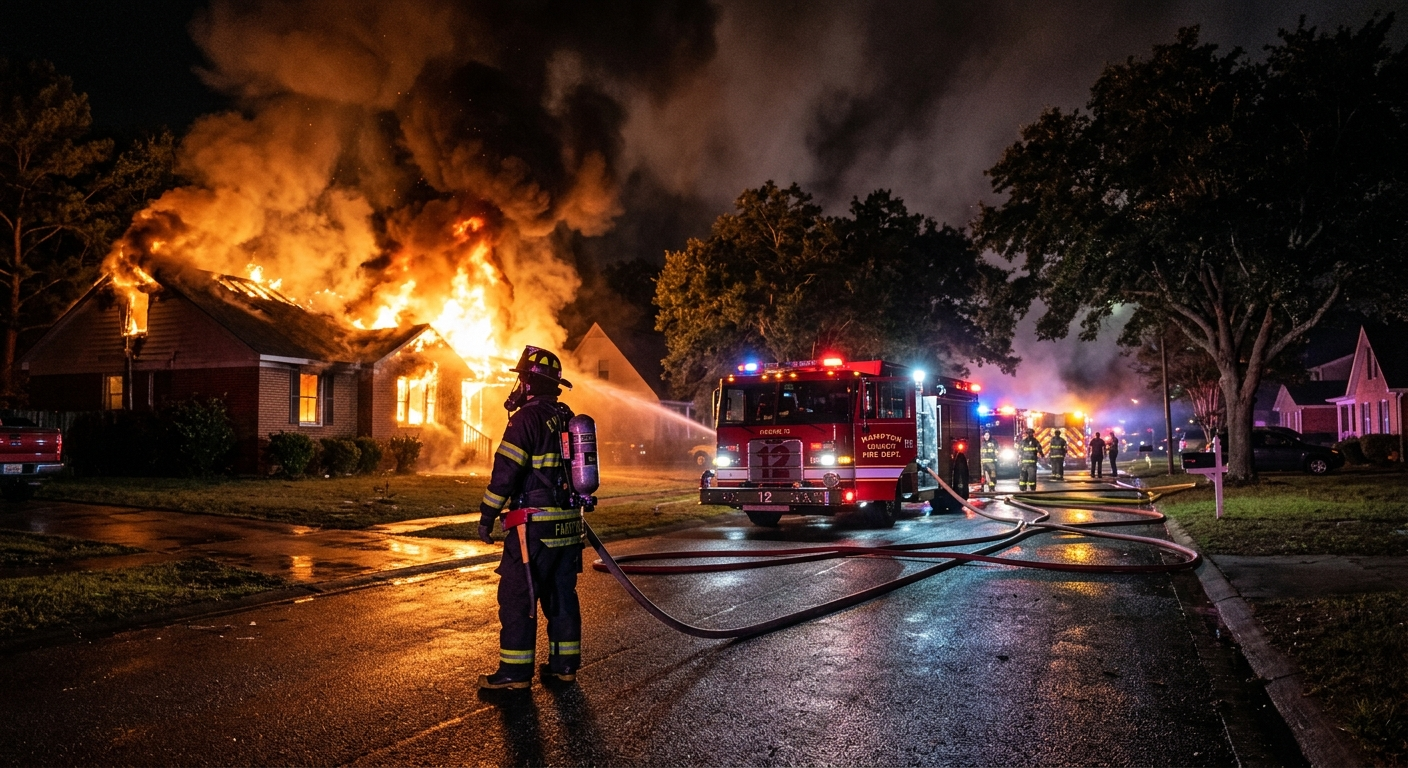
Replacement cost coverage is worth the premium difference. If fire destroys a 1,200-square-foot rental near Surfside Beach, replacement cost pays to rebuild at today's construction prices. Actual cash value (ACV) coverage subtracts depreciation and can leave you tens of thousands of dollars short of what it actually costs to rebuild.

Liability protection

Liability coverage is the piece landlords most often underestimate. If a tenant or guest is injured on the property and holds you responsible, you can face medical bills, legal fees, and a judgment that wipes out years of rental income. A solid rental dwelling policy carries at least $300,000 in liability limits , and many South Carolina landlords add a personal umbrella on top of that for additional protection. You can learn more about that option on our personal umbrella insurance page.

Loss of rental income

This is the coverage most landlords do not think about until they need it. If a covered loss makes the unit uninhabitable (a kitchen fire or a roof collapse from wind, for example), loss of rental income coverage pays you the rent you would have collected while the property is being repaired. South Carolina coastal properties can sit vacant for months after a serious storm, and that lost income adds up fast. Make sure your policy's rental income limit reflects your actual monthly rent and a realistic repair timeline, not a figure the carrier picked at random.

How a rental dwelling policy differs from a homeowners policy

This distinction trips up many first-time landlords, and it is worth spelling out clearly.

  • Occupancy requirements: A standard homeowners policy (HO-3) requires owner occupancy. Renting the property to a tenant is a material change in risk that voids coverage on most HO-3 policies if the insurer is not notified.
  • Personal property: A homeowners policy covers your personal belongings inside the home. A rental dwelling policy typically covers only items you own that serve the rental, like appliances and window treatments. The tenant's belongings are not covered at all. That is what renters insurance is for, and it is worth encouraging your tenants to carry it.
  • Liability triggers: The liability section of a rental dwelling policy is written around landlord-specific exposures: slip and falls on property you maintain, building code issues, and premises liability situations a homeowner would not face in the same way.
  • Vacancy provisions: If the property is between tenants, standard homeowners policies often suspend coverage after 30 or 60 days under vacancy clauses. Rental dwelling policies generally handle vacancy better, though you still need to check the specific terms.

You can read a deeper comparison of landlord-specific coverage options on our landlord insurance page.

South Carolina-specific risks every rental property owner should know

Owning rental property anywhere in South Carolina means dealing with a coastal weather environment that pushes insurance decisions in directions that inland states simply do not face.

Hurricane and wind exposure

South Carolina sits in the Atlantic hurricane belt. Tropical systems, nor'easters, and severe thunderstorms produce wind and hail damage every year along the Grand Strand and into the Pee Dee. Most rental dwelling policies cover wind damage, but pay close attention to your wind and hail deductible . Many coastal South Carolina policies carry a separate wind deductible expressed as a percentage of the insured value, commonly 1% to 5%, rather than a flat dollar amount. On a property insured for $300,000, a 2% wind deductible means you absorb the first $6,000 of every wind claim. That is a significant number landlords need to plan for.

Flood is never included

Flood damage is excluded from every standard rental dwelling policy without exception. If storm surge, inland flooding from a hurricane, or a rising creek floods your rental property, you have no coverage unless you have a separate flood insurance policy . Properties in high-risk FEMA flood zones require flood insurance if there is a mortgage on them, but even properties outside mapped flood zones experience flood losses. For a full picture of what flood coverage costs in this state, take a look at our post on flood insurance costs in South Carolina.

Older construction and building code upgrades

A lot of rental stock along the Grand Strand is older housing, built before the modern wind-resistant building codes that took effect after Hurricane Hugo in 1989. If a covered loss requires a partial rebuild and local code requires you to bring the entire structure up to current standards, the cost difference can be substantial. Ordinance or law coverage pays for that gap. It is often sold as an endorsement and is worth adding to any rental dwelling policy covering pre-1990 construction.

Coastal salt air and moisture damage

Proximity to the ocean accelerates corrosion on metal components, HVAC systems, and electrical panels. Maintenance-related deterioration is not covered by insurance because it is an ownership responsibility. Knowing this helps you stay ahead of claims that might otherwise be denied as wear and tear. Document your property condition regularly and keep maintenance records.

What rental dwelling insurance does not cover

Understanding exclusions is just as important as understanding what is covered. Common exclusions in South Carolina rental dwelling policies include:

  • Flood damage: As noted above, flood always requires a separate policy.
  • Earthquake damage: South Carolina has real seismic activity, particularly in the Midlands and Lowcountry. Earthquake coverage requires a separate endorsement or policy.
  • Tenant's personal property: Your rental dwelling policy does not cover anything your tenant owns. Encourage tenants to carry their own renters insurance.
  • Intentional damage by tenants: Some carriers offer a limited endorsement for tenant malicious damage, but it is not standard. Ask about it specifically if you have had turnover problems.
  • Normal wear and tear: Carpet that wears out, paint that fades, caulk that deteriorates. These are maintenance items, not insurance claims.
  • Mold from long-term moisture intrusion: Mold is often excluded or sharply limited. Sudden mold from a burst pipe may be covered; mold from years of unaddressed moisture is not.

How much does rental dwelling insurance cost in South Carolina

Pricing depends on several factors, and coastal South Carolina properties tend to run higher than the national average because of the hurricane and flood exposure the state carries.

Typical variables that affect your premium include:

  • Location: A rental one block from the ocean in North Myrtle Beach costs more to insure than one inland near Conway. The closer to the coast and the lower the elevation, the higher the wind and surge risk.
  • Construction type: Frame construction costs more to insure than masonry block. Hip roofs, which shed wind better than gable roofs, may earn a discount. New roofs are a meaningful premium factor.
  • Coverage form: A DP-3 open-perils policy costs more than a DP-1 named-perils policy, but the broader protection is usually worth the difference.
  • Coverage limits: Insuring to full replacement cost is more expensive than ACV coverage. Do not let the premium difference push you toward ACV. A total loss will make you regret it.
  • Deductibles: Higher deductibles lower the premium. Just make sure the deductible is a number you can actually write a check for if you have a loss.
  • Claims history: Prior claims on the property or in your broader insurance history raise the cost.

A rough ballpark for a single-family rental dwelling in South Carolina runs from about $1,200 to $2,500 per year for a well-constructed property in a moderate-risk location, but coastal properties with high replacement values can push well above that. The only way to know your real number is to get quotes from multiple carriers, which is exactly what an independent agency does on your behalf.

Short-term and vacation rentals: a different animal

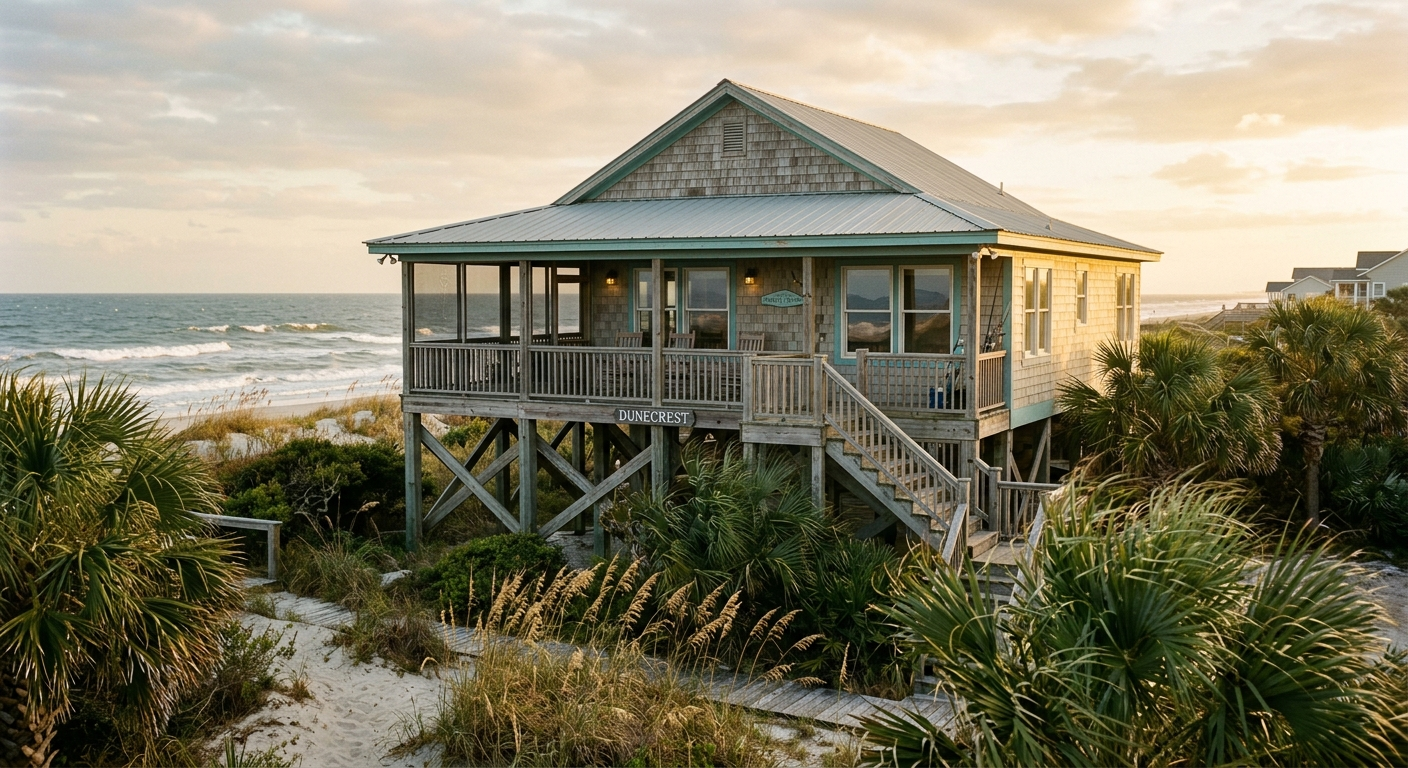
If you rent your property on Airbnb, VRBO, or another short-term platform, a standard rental dwelling policy may not cover you. Short-term rentals involve higher turnover, different liability exposure, and commercial activity that many carriers exclude under residential policies. South Carolina's coast has a large concentration of vacation rentals from Litchfield Beach down through Murrells Inlet, and the insurance market has developed specific products for this segment. Our post on short-term rental insurance in South Carolina covers this in detail. Do not assume your long-term rental policy extends to occasional short-term guests. It likely does not.

Do you need a commercial landlord policy instead?

If you own multiple rental units, an apartment complex, or a mixed-use building, a personal rental dwelling policy may not be the right fit. At some point, rental activity crosses from personal investment into business, and a commercial landlord or commercial property policy provides the broader protection you need. This is especially true if you have formed an LLC to hold your properties, which most attorneys recommend. A personal lines policy issued to an LLC can create coverage disputes at claim time. Talk to an agent about whether your portfolio has grown to the point where commercial coverage makes more sense.

Work with a local independent agent who knows South Carolina

At Moore and Associates Insurance , we are an independent agency serving landlords and rental property owners throughout the Grand Strand and Lowcountry, including Myrtle Beach, Conway, Georgetown, Pawleys Island, Surfside Beach, and the surrounding communities. Because we work with multiple carriers rather than just one, we can compare options across the market and find a policy that fits your specific property, your risk tolerance, and your budget.

Whether you own a single rental home or a growing portfolio of investment properties, we can help you understand what coverage you actually need and what you can safely skip. We will also make sure your policy handles the realities of coastal South Carolina: wind deductibles, flood exclusions, and the building code issues that catch landlords off guard after a storm.

Call us at (843) 839-5076 or visit our get a quote page to start a conversation. Getting coverage right now is a lot less painful than finding out you had the wrong policy after a loss.

Telephone icon with a speech bubble.

Get A Quote

At Moore & Associates Insurance, securing your future is easy. Ready to protect what matters? Contact us for a quick quote and personalized insurance options!

Black telephone receiver icon.

Kelly

Speak to Kelly 24/7

Microphone icon.

Microphone ready


Black check mark on a white background.

Start your custom insurance quote

Black checkmark on a white background.

Instant answers to your insurance questions

Black check mark on a white background.

Schedule appointments or follow-ups

Person with a shield icon, indicating protection or security.

Personal Insurance

From auto and homeowners to renters and umbrella policies, we help protect your family and property. Let’s find coverage that fits your life.

Buildings, coins, and a shield icon representing financial security.

Commercial Insurance

We customize policies for your industry's risks, like general liability and workers' comp, ensuring you can run your business worry-free.

Contact Moore & Associates Insurance

249 S Federal Blvd, Denver, CO 80219

Share this article

Recent Posts

Aerial view of a multi-building apartment complex near the South Carolina coastline on a sunny day
By Moore & Associates Insurance August 30, 2026
Learn what apartment complex insurance in South Carolina covers, from property and flood to liability. Get the right policy for your Grand Strand rental
Aerial view of a coastal South Carolina condominium complex near the beach on a sunny day
By Moore & Associates Insurance August 27, 2026
Learn what condo association insurance South Carolina HOAs are required to carry, from master policies to flood and D&O coverage. Get a free review today.
Oceanfront condo balcony view in Myrtle Beach South Carolina on a sunny day with palm trees and blue water
By Moore & Associates Insurance August 26, 2026
Learn what HO-6 condo insurance covers in Myrtle Beach, SC, what it costs, and how to fill flood and hurricane gaps. Get a quote from Moore & Associates
Aerial view of a coastal South Carolina neighborhood with waterfront homes, docks, and boats along an Intracoastal waterway
By Moore & Associates Insurance August 24, 2026
Personal umbrella insurance in South Carolina protects coastal residents from large liability claims. Get local expert coverage from Moore & Associates
Business owner reviewing commercial insurance policy documents at a desk in a coastal South Carolina office
By Moore & Associates Insurance August 23, 2026
Learn the real difference between commercial umbrella and excess liability insurance in South Carolina so your business has the right protection. Get a quote
Motorcycle parked on a coastal South Carolina road near the beach with palm trees and blue sky overhead
By Moore & Associates Insurance August 21, 2026
Learn SC motorcycle insurance requirements, coverage options, and coastal riding risks. Moore & Associates Insurance helps Grand Strand riders compare carriers
Empty restaurant dining room with chairs stacked on tables after storm damage, Myrtle Beach South Carolina
By Moore & Associates Insurance August 20, 2026
Learn what business interruption insurance covers in South Carolina, how limits work, and why coastal businesses need it. Get expert guidance from Moore &
A large fifth wheel trailer parked at a coastal South Carolina campground near the water with palm trees in the background
By Moore & Associates Insurance August 18, 2026
Own a fifth wheel in South Carolina? Learn what coverage you need, what coastal risks cost you, and how to protect your rig year-round on the Grand Strand.
Aerial view of a coastal South Carolina neighborhood with single-family rental homes near the waterway on a sunny afternoon
By Moore & Associates Insurance August 17, 2026
Own rental property in South Carolina? Learn what landlord insurance covers, what it costs, and how to protect your investment on the Grand Strand coast.
Beachfront vacation rental home on the South Carolina coast with a wooden deck overlooking the ocean on a sunny day
By Moore & Associates Insurance August 15, 2026
Own an Airbnb or VRBO on the Grand Strand? Learn what short-term rental insurance in South Carolina covers, costs, and why your homeowners policy isn't enough.
Show More