Understanding Your Home Insurance Policy Coverage
You've been paying your home insurance premium every month, but do you really know what you're paying for? Most homeowners have a general idea that their policy protects their house, but when it comes to the specifics, things get fuzzy fast. Understanding what home insurance actually covers isn't just about satisfying curiosity. It's about making sure you have the right protection when you need it most.
Whether you're a new homeowner or you've been in your house for decades, knowing the ins and outs of your coverage can mean the difference between a minor inconvenience and a financial disaster. Let's break down exactly what your home insurance policy covers so you can have real peace of mind.
The Four Main Coverage Areas of Home Insurance
Most standard home insurance policies are built around four primary coverage components. Think of these as the pillars that support your financial protection.
Dwelling coverage:
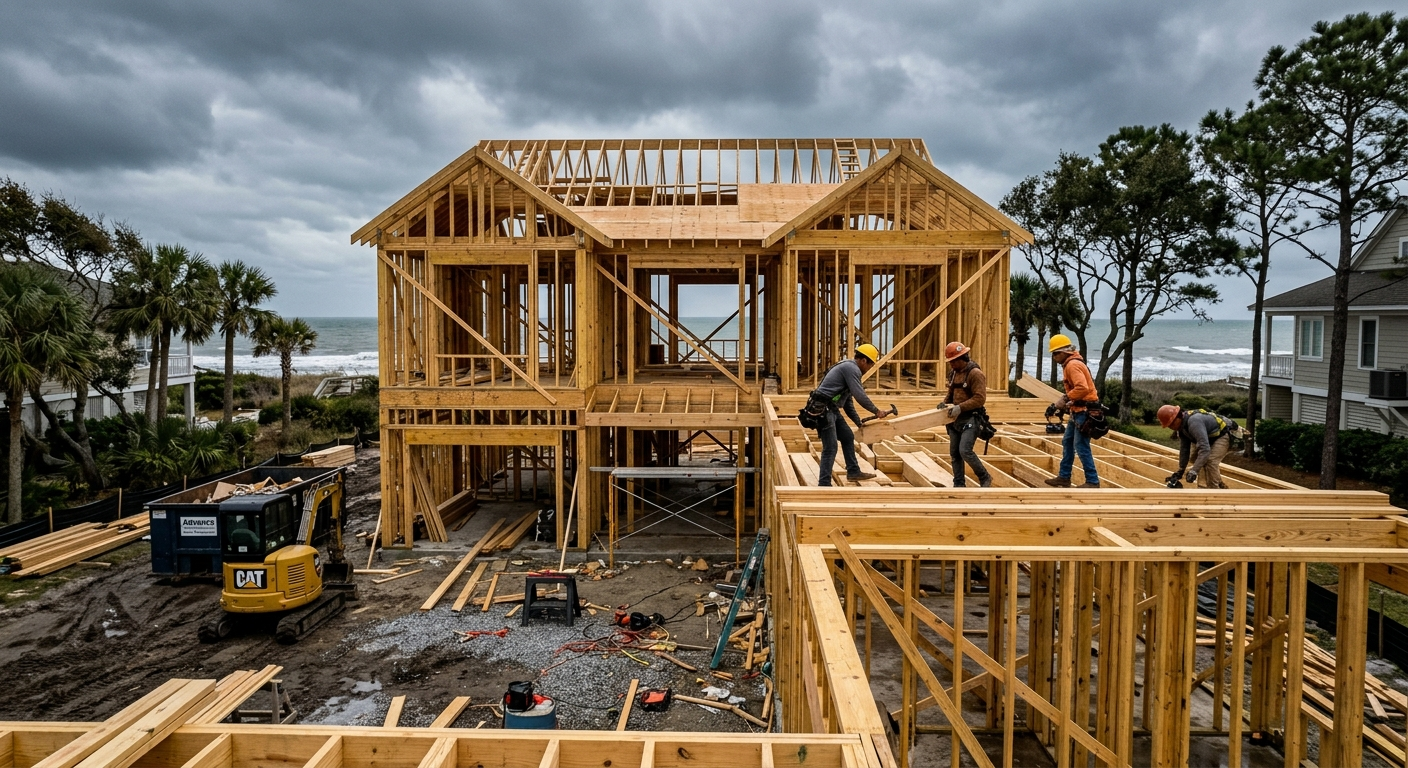
This is the foundation of your policy and covers the physical structure of your home itself. If a fire damages your walls, roof, or built-in appliances, dwelling coverage pays to repair or rebuild. This extends to attached structures like garages or decks. The coverage amount should reflect the cost to rebuild your home at current construction prices, not necessarily what you paid for it or its current market value.
Other structures coverage:
Your home isn't the only structure on your property. This coverage protects detached structures like standalone garages, sheds, fences, and gazebos. Typically, this coverage is set at 10% of your dwelling coverage amount, though you can often increase it if you have expensive outbuildings.
Personal property coverage:
This protects your belongings inside and sometimes outside your home. Furniture, clothing, electronics, appliances, and other personal items are covered if they're damaged or stolen. Most policies cover personal property at 50-70% of your dwelling coverage amount. Keep in mind that certain high-value items like jewelry, art, or collectibles may have coverage limits and might require additional riders.
Liability coverage:
If someone is injured on your property or you accidentally damage someone else's property, liability coverage protects you from lawsuits and medical claims. This coverage also extends to incidents caused by you or your family members away from home in many cases.
What Perils Are Typically Covered?
Home insurance policies generally come in two formats: named perils or open perils (also called all-risk). Most homeowners have an HO-3 policy, which provides open peril coverage for your dwelling and named peril coverage for personal property.
Common covered perils include:
- Fire and smoke damage:
One of the most important coverages, protecting you from losses due to fires, lightning strikes, and smoke damage
- Wind and hail:
Damage from storms, including roof damage, broken windows, and siding destruction
- Theft and vandalism:
If someone breaks into your home and steals or damages your property
- Water damage from burst pipes:
Sudden and accidental water damage, like a pipe bursting in winter
- Falling objects:
Trees, branches, or other objects that fall and damage your home
- Weight of ice, snow, or sleet:
Roof collapse or damage from heavy winter weather
- Electrical surge damage:
Power surges that damage your electronics and appliances
Understanding these covered perils helps you recognize what protection you have and where you might need additional coverage.
What Home Insurance Typically Doesn't Cover
Just as important as knowing what's covered is understanding the gaps. Standard home insurance policies exclude certain perils that require separate coverage.
Flood damage:
This is the most significant exclusion that surprises homeowners. Standard policies don't cover flooding from external water sources like heavy rain, overflowing rivers, or storm surge. You need a separate flood insurance policy
for this protection, which is especially important if you live in a flood-prone area.
Earthquake damage:
Ground movement from earthquakes isn't covered by standard policies. Depending on where you live, you may need to add earthquake coverage through an endorsement or separate policy.
Maintenance-related issues:
Your policy covers sudden and accidental damage, not gradual deterioration or maintenance problems. If your roof leaks because it's old and worn out, that's your responsibility. But if a tree falls and punctures your roof during a storm, that's covered.
Certain types of water damage:
While burst pipes are covered, damage from backing up sewers or sump pump failures often isn't included in standard policies. You may need to add sewer backup coverage.
Business property:
If you run a business from home, your business equipment and liability exposure typically aren't covered under a standard homeowners policy. You'll need business insurance.
Pest infestations:
Damage from termites, rodents, or other pests falls under maintenance and isn't covered.
Additional Living Expenses: Coverage You Hope You Never Need
When your home becomes uninhabitable due to a covered loss, where do you go? This is where additional living expenses (ALE) coverage, sometimes called loss of use coverage, becomes invaluable.
If a fire forces you out of your home during repairs, ALE covers your hotel bills, restaurant meals, and other costs above your normal living expenses. This coverage typically pays for the time needed to repair or rebuild your home, up to your policy limits. Some policies set this at 20-30% of your dwelling coverage, while others may offer unlimited coverage for a specified time period.
This protection ensures that a disaster doesn't displace your family financially as well as physically.
Medical Payments Coverage: Small but Helpful
Most home insurance policies include a small amount of medical payments coverage, typically between $1,000 and $5,000. This covers minor medical expenses if a guest is injured on your property, regardless of who was at fault.
If your neighbor trips on your front steps and needs stitches, medical payments coverage can pay their emergency room bill without requiring them to file a liability claim against you. Think of it as a goodwill gesture that can prevent small incidents from becoming legal disputes.
How Much Coverage Do You Really Need?
Having home insurance and having enough home insurance are two different things. Your dwelling coverage should be sufficient to completely rebuild your home at current construction costs. This isn't about your home's market value or what you paid for it. Construction costs can fluctuate significantly, and you want to ensure you can rebuild exactly what you had.
For personal property, take inventory of what you own. You might be surprised at how much your belongings are actually worth when you add everything up. Consider whether you need replacement cost coverage, which pays to replace items at current prices, versus actual cash value coverage, which accounts for depreciation.
Liability coverage is equally important. While standard policies often include $100,000 to $300,000 in liability coverage, many experts recommend at least $300,000 to $500,000. If you have significant assets to protect, an umbrella insurance policy
can provide additional liability coverage beyond your home policy limits.
Special Considerations for High-Value Items
Do you own expensive jewelry, fine art, collectibles, or other valuable items? Standard home insurance policies typically cap coverage for these items at relatively low amounts. For example, your policy might only cover $1,500 for all jewelry or $2,500 for all electronics.
If you own items worth more than these limits, you'll want to schedule them separately on your policy with specific coverage amounts. This requires getting appraisals for high-value items, but it ensures they're fully protected. Scheduled items are often covered for more perils too, including accidental loss.
Get the Coverage That Fits Your Needs
Understanding what home insurance actually covers is the first step toward adequate protection. Every home and situation is different, which means coverage needs vary significantly from one homeowner to another.
At Moore & Associates, we work with homeowners throughout our service area to ensure they have the right coverage for their specific situation. We take the time to explain your policy options, identify potential coverage gaps, and find protection that fits both your needs and your budget. Whether you're purchasing your first home or reviewing your existing coverage, we're here to answer your questions and provide guidance.
Contact us today to review your home insurance coverage and make sure you're truly protected when it matters most.