What Is Umbrella Insurance?
Umbrella insurance provides additional liability protection beyond the limits of your homeowners, auto, and other insurance policies. When a claim exceeds your underlying policy limits, umbrella coverage responds to pay the difference up to your umbrella policy limit. This extra layer of protection shields your assets, savings, and future income from catastrophic liability claims.
For Grand Strand residents, umbrella insurance takes on particular importance during hurricane season. Storms create situations where liability claims can arise unexpectedly, from fallen trees damaging neighboring properties to injuries occurring during evacuation or recovery efforts. Understanding how umbrella insurance works and why it matters for coastal homeowners helps you protect your family's financial security when severe weather strikes.
How Umbrella Insurance Works
Umbrella policies function as excess liability coverage that sits above your primary insurance policies. They activate only after your underlying homeowners or auto liability coverage is exhausted.
A Practical Example
Suppose a guest is injured at your home during a post-hurricane gathering and sues for $750,000 in medical expenses, lost wages, and pain and suffering. Your homeowners policy includes $300,000 in liability coverage, which pays first. Without umbrella insurance, you would owe the remaining $450,000 from your own assets, potentially forcing you to liquidate savings, tap retirement accounts, or even sell your home.
With a $1 million umbrella policy, the umbrella coverage pays the $450,000 balance after your homeowners liability is exhausted. Your assets remain protected, and the claim is resolved without devastating your family's finances.
Coverage That Follows You
Umbrella insurance provides liability protection beyond just your home. Coverage typically extends to:
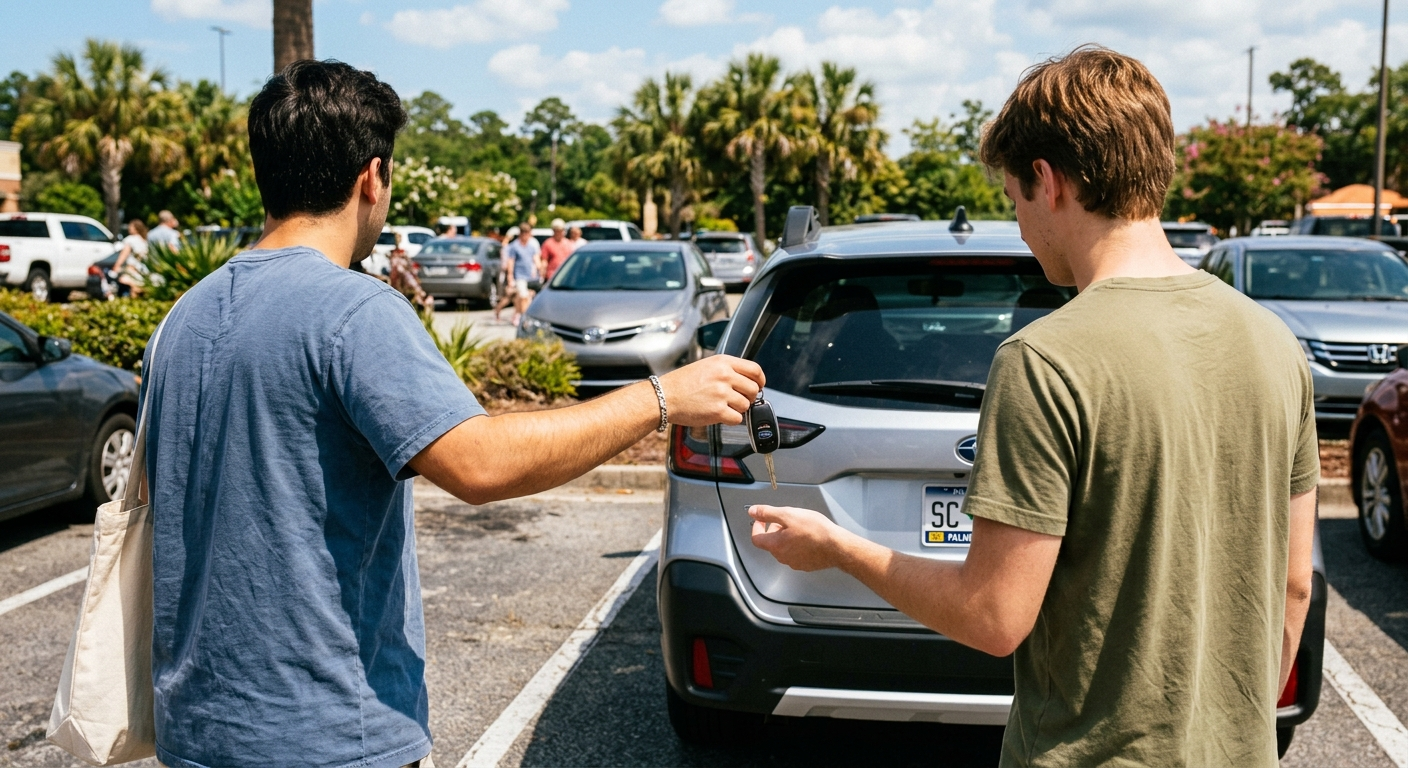
- Auto accidents: When you cause an accident resulting in injuries or damages exceeding your auto liability limits
- Incidents at your home: Injuries to guests or damage caused by your property
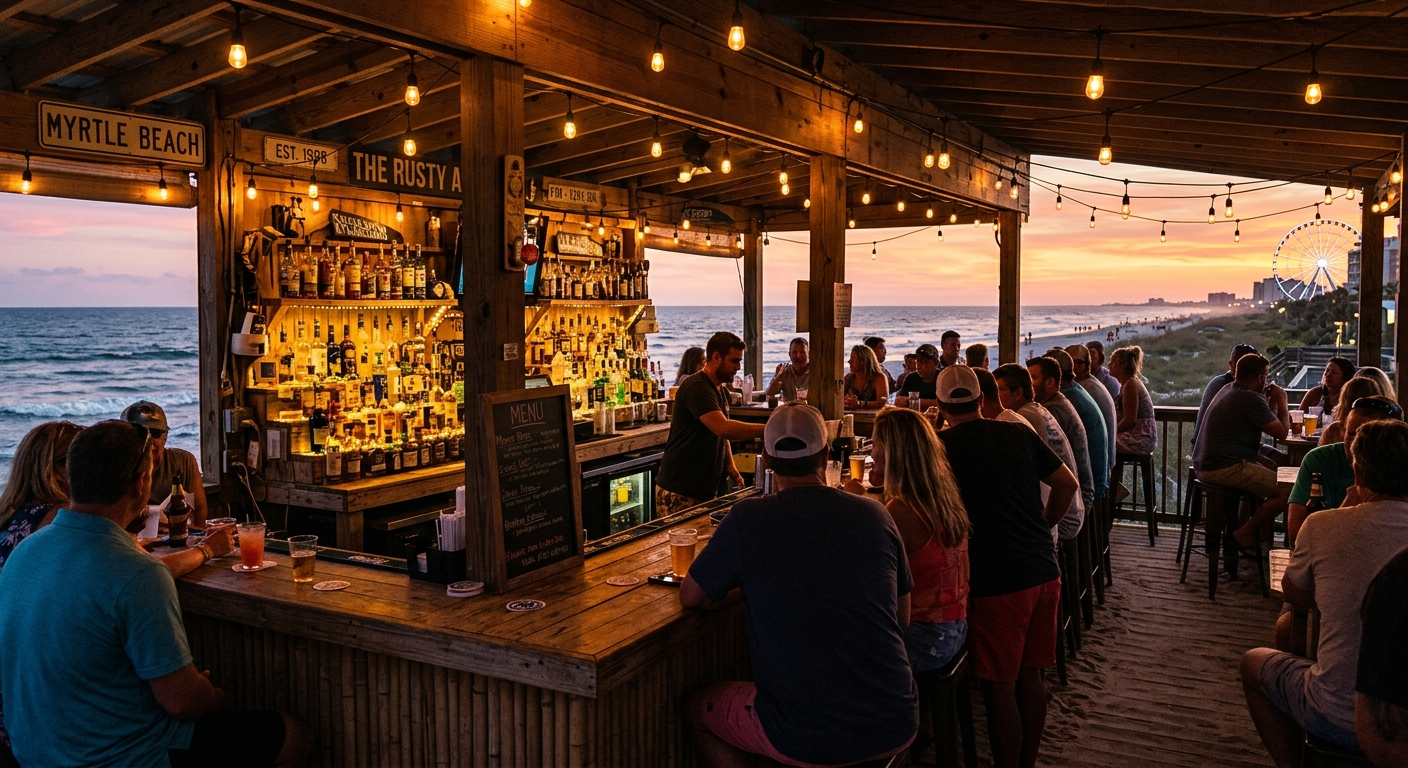
- Incidents away from home: Liability for accidents you cause while traveling, at sporting events, or in other locations
- Rental properties: Liability claims arising from investment properties you own
- Watercraft: Accidents involving boats under a certain size or horsepower
- Household members: Coverage extends to family members living in your home
Why Hurricane Season Increases Liability Risks
Hurricane season creates liability exposures that many homeowners do not consider until a claim arises. Understanding these risks helps you evaluate whether your current coverage adequately protects your family.
Tree and Property Damage to Neighbors
When a hurricane or severe storm brings down trees on your property, those trees can fall onto neighboring homes, vehicles, or fences. While your neighbor's insurance typically covers damage to their property from fallen trees, situations exist where you could face liability:
- Dead or diseased trees: If you knew or should have known a tree was hazardous and failed to address it, you may be held liable for damage it causes
- Prior notice: If a neighbor previously notified you that a tree appeared dangerous and you took no action, liability may attach
- Negligent maintenance: Failure to maintain trees that subsequently cause damage during storms can create liability exposure
These claims can involve significant property damage and potentially injuries if someone is struck by a falling tree or debris. Umbrella coverage provides protection when claims exceed your homeowners liability limits.
Injuries During Storm Preparation and Recovery
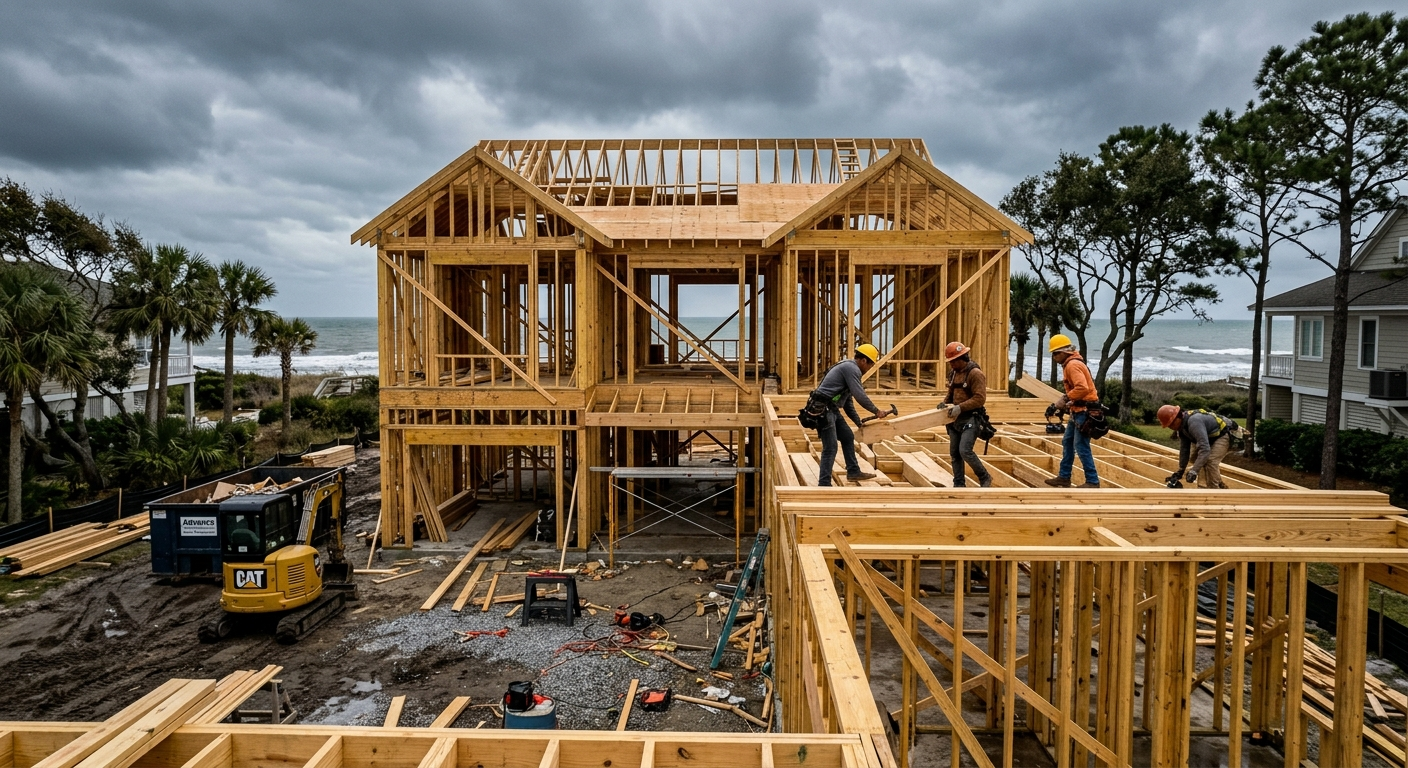
Hurricane preparation and post-storm recovery involve physical labor that creates injury risks. Neighbors helping you board windows, friends assisting with debris removal, or contractors working on emergency repairs can all sustain injuries on your property.
Your homeowners liability coverage applies to injuries occurring on your property, but serious injuries can result in claims exceeding typical policy limits. Medical expenses, lost wages, and pain and suffering damages accumulate quickly when injuries are severe.
Hosting Evacuees
Coastal residents sometimes host family, friends, or neighbors who evacuate from more vulnerable areas during hurricanes. While helping others is admirable, hosting evacuees increases the number of people on your property and the potential for accidents.
Slip and fall injuries, pet-related incidents, or other accidents involving guests create the same liability exposure as any other incident on your property. During stressful evacuation situations with multiple people staying in unfamiliar surroundings, accident risk increases.
Vehicle Accidents During Evacuations
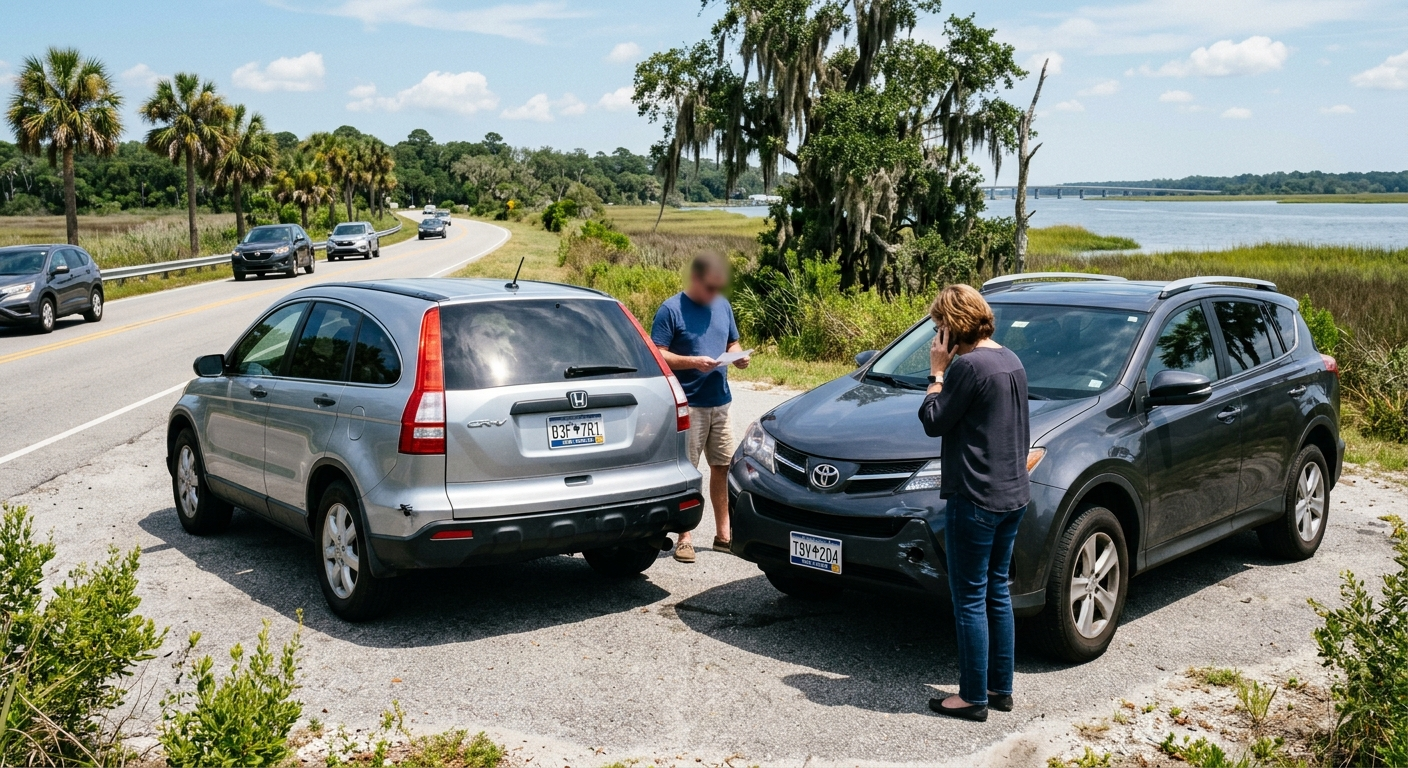
Hurricane evacuations create dangerous driving conditions. Heavy traffic, stressed drivers, unfamiliar routes, and deteriorating weather combine to increase accident risk. Causing a serious accident during evacuation can result in injury claims far exceeding your auto liability limits.
Multi-vehicle accidents involving injuries to several people can generate combined claims of $500,000 or more. If your auto liability limits are $100,000 per person and $300,000 per accident, you face significant personal exposure without umbrella coverage to provide additional protection.
Post-Storm Hazards
After hurricanes pass, properties often contain hazards that can injure visitors. Downed power lines, unstable structures, standing water concealing debris, and other dangers exist throughout affected neighborhoods. If someone is injured on your property by a hazard you failed to address or warn about, liability claims can follow.
Even well-intentioned actions can create liability. Lending equipment to neighbors, allowing others to use your generator, or permitting access across your property to reach damaged areas all involve potential liability exposure.
What Umbrella Insurance Covers
Umbrella policies provide broad liability protection, but understanding exactly what coverage includes helps you evaluate its value for your situation.
Bodily Injury Liability
When someone is injured and you are legally responsible, umbrella insurance covers medical expenses, rehabilitation costs, lost wages, and pain and suffering damages. This applies whether injuries occur at your home, in a vehicle accident, or in other situations where you bear liability.
Property Damage Liability
Damage you cause to others' property, beyond what your underlying policies cover, falls under umbrella protection. This includes vehicle damage in auto accidents, damage to neighboring properties, and destruction of others' belongings.
Personal Injury Liability
Beyond physical injuries, umbrella policies typically cover personal injury claims including:
- Defamation: Libel and slander claims
- False arrest or imprisonment: Wrongfully detaining someone
- Malicious prosecution: Pursuing legal action without proper basis
- Invasion of privacy: Violating someone's reasonable privacy expectations
Social media disputes that escalate into defamation claims, neighborhood conflicts that result in legal action, and other personal injury situations can generate significant legal costs and damages that umbrella coverage addresses.
Legal Defense Costs
Defending against liability claims requires legal representation, and attorney fees accumulate quickly even when claims are ultimately dismissed. Umbrella policies typically cover legal defense costs in addition to policy limits, meaning a $1 million policy provides $1 million in damages coverage plus the cost of your legal defense.
This defense cost coverage matters significantly because even frivolous claims require legal response. The cost of defending yourself can exceed $50,000 or more before a case resolves, regardless of outcome.
Worldwide Coverage
Umbrella insurance protection extends beyond your local area. Liability claims arising from incidents during travel, whether within the United States or internationally, fall under your umbrella coverage. This matters for Grand Strand residents who travel during hurricane season to avoid approaching storms.
What Umbrella Insurance Does Not Cover
Understanding umbrella policy exclusions prevents surprises when claims arise. Umbrella insurance does not cover:
- Your own injuries or property damage: Umbrella insurance is liability coverage protecting you against claims from others, not coverage for your own losses
- Intentional acts: Damage or injury you cause deliberately is excluded
- Business activities: Liability arising from business operations requires commercial coverage
- Professional services: Errors in professional work require professional liability insurance
- Contractual liability: Obligations you assume through contracts may not be covered
- Workers compensation: Injuries to household employees require separate coverage
- Property in your care: Damage to property you are borrowing or storing for others may be excluded
Importantly, umbrella insurance does not cover flood damage, hurricane damage to your property, or other losses that would be covered by property insurance rather than liability insurance. Umbrella coverage protects against claims from others, not damage to your own assets.
How Much Umbrella Coverage Do You Need?
Determining appropriate umbrella coverage limits requires evaluating your assets, income, and risk factors.
Protecting Your Assets
At minimum, your umbrella coverage should equal your total assets, including:
- Home equity
- Savings and investment accounts
- Retirement accounts (protection varies by state and account type)
- Vehicles and other valuable property
- Business interests
Protecting Future Income
Judgments exceeding your current assets can attach to future earnings through wage garnishment. If you have significant earning potential over your remaining working years, protecting that income stream justifies higher umbrella limits.
A 45-year-old professional earning $150,000 annually has roughly $3 million in future earnings before retirement. A judgment that attaches to those earnings creates financial hardship for decades.
Evaluating Your Risk Factors
Certain factors increase liability exposure and suggest higher coverage limits:
- Teen drivers: Young drivers face higher accident rates, increasing auto liability exposure
- Swimming pools or trampolines: Attractive nuisances increase injury risk on your property
- Dogs: Dog bite claims generate significant liability, particularly for certain breeds
- Rental properties: Landlords face liability exposure from tenants and their guests
- Boats and watercraft: Boating activities create liability exposure on the water
- Frequent entertaining: Hosting guests regularly increases the chance of incidents on your property
- High-profile position: Visible community members may face higher lawsuit risk
Common Coverage Limits
Umbrella policies typically start at $1 million in coverage and increase in $1 million increments up to $5 million or $10 million. Most families find adequate protection between $1 million and $3 million, though those with substantial assets or high-risk factors may need more.
How Much Does Umbrella Insurance Cost?
Umbrella insurance provides substantial protection at modest cost, making it one of the most cost-effective forms of insurance coverage available.
Typical Premium Ranges
A $1 million umbrella policy typically costs $200 to $400 annually for most families. Each additional $1 million in coverage adds approximately $75 to $150 per year. A $2 million policy might cost $300 to $500 annually, while $3 million coverage often runs $400 to $600.
These costs translate to roughly $1 per day for $1 million in additional liability protection, an exceptional value given the financial devastation a major liability claim can cause.
Factors Affecting Umbrella Premiums
Several factors influence your umbrella insurance cost:
- Coverage amount: Higher limits cost more, though the per-dollar cost decreases as limits increase
- Number of properties: Multiple homes or rental properties increase premiums
- Number of vehicles: More vehicles mean more auto liability exposure
- Number of drivers: Teen drivers particularly affect umbrella pricing
- Watercraft: Boats increase liability exposure and premiums
- Claims history: Previous liability claims suggest higher risk
- Underlying policy limits: Higher underlying limits may reduce umbrella costs
Requirements for Umbrella Coverage
Insurance companies require you to maintain certain minimum liability limits on your underlying policies before selling you umbrella coverage. These requirements ensure that your primary policies provide substantial protection before umbrella coverage activates.
Typical Underlying Limits Required
While requirements vary by insurer, typical minimums include:
- Auto liability:$250,000 per person / $500,000 per accident bodily injury, $100,000 property damage (250/500/100)
- Homeowners liability:$300,000 to $500,000
- Watercraft liability:$300,000 to $500,000 if you own a boat
If your current policies have lower limits, you may need to increase them to qualify for umbrella coverage. The additional cost of higher underlying limits plus the umbrella premium still typically represents excellent value for the protection provided.
Bundling Considerations
Many insurers prefer or require that you purchase umbrella coverage from the same company providing your underlying homeowners and auto insurance. Bundling all policies with one carrier simplifies coverage coordination and often provides premium discounts.
If you have specialized coverage needs that require policies from multiple insurers, discuss umbrella options with your agent to ensure coverage coordinates properly without gaps.
Umbrella Insurance for Different Situations
Different property owners and life situations create varying umbrella insurance needs.
Homeowners
All homeowners face premises liability exposure from injuries occurring on their property. Hurricane season increases this exposure through storm-related hazards, hosting evacuees, and post-storm cleanup activities. A $1 million to $2 million umbrella policy provides meaningful protection for most homeowners.
Condo Owners
Condo owners face liability exposure within their units and in common areas. While the HOA master policy covers some common area liability, individual owners can still face claims. Condo owners with significant assets should consider umbrella coverage coordinated with their HO-6 policy.
Landlords
Rental property owners face liability exposure from tenants, their guests, and conditions on the property. Each rental property adds liability risk, making umbrella coverage particularly important for landlords. Short-term vacation rental owners face additional exposure from the constant turnover of unfamiliar guests.
Families with Teen Drivers
Adding a teen driver to your auto policy dramatically increases your liability exposure. Young drivers cause accidents at higher rates, and those accidents can result in serious injuries. Families with teen drivers should strongly consider umbrella coverage and may need higher limits than families with only experienced adult drivers.
Boat Owners
Watercraft accidents can cause severe injuries and significant property damage. Umbrella policies extend coverage to boats under certain size and horsepower thresholds. Boat owners should verify their umbrella policy covers their watercraft and consider whether additional watercraft liability coverage is needed.
Business Owners
Personal umbrella policies do not cover business liability. Business owners need commercial umbrella policies to provide excess liability protection for their business operations. Those who own both personal assets and businesses may need both personal and commercial umbrella coverage.
Umbrella Insurance and Hurricane Preparedness
Including umbrella insurance in your hurricane preparedness planning ensures comprehensive protection for your family. Consider these steps as hurricane season approaches:
Review Your Current Coverage
Check whether you have umbrella coverage and confirm your coverage limits. If you purchased a policy years ago, your assets may have grown beyond your coverage amount.
Evaluate Your Underlying Policies
Verify that your homeowners and auto liability limits meet requirements for umbrella coverage. If limits are below required minimums, consider increasing them to qualify for umbrella protection.
Address Property Hazards
Removing dead trees, trimming branches near property lines, and addressing known hazards reduces both the chance of storm damage and potential liability if damage occurs. Documenting that you maintained your property responsibly can help defend against liability claims.
Understand Your Exposure
Consider your specific liability risks during hurricane season. Do you host evacuees? Do you have teen drivers who might be on the road during evacuations? Do you own rental properties with tenants who might be affected by storms? Identifying your exposures helps determine appropriate coverage.
Why Work with Moore and Associates
Moore and Associates has helped Grand Strand families protect their assets since 1979. As an independent insurance agency, we work with multiple carriers to find umbrella coverage that coordinates with your existing policies and provides appropriate protection for your situation.
Our agents understand the specific liability risks coastal South Carolina residents face, particularly during hurricane season. We help you evaluate your exposure, determine appropriate coverage limits, and structure your insurance program so policies work together without gaps.
Get an Umbrella Insurance Quote in Myrtle Beach, South Carolina
Our Myrtle Beach insurance agents serve families throughout South Carolina including Myrtle Beach, North Myrtle Beach, Little River, Conway, Carolina Forest, Surfside Beach, Murrells Inlet, Pawleys Island, and Georgetown. Contact Moore and Associates today for a free umbrella insurance quote and protect your family's financial future before the next storm arrives.
Get A Quote
At Moore & Associates Insurance, securing your future is easy. Ready to protect what matters? Contact us for a quick quote and personalized insurance options!
Kelly
Speak to Kelly 24/7
Microphone ready
Start your custom insurance quote
Instant answers to your insurance questions
Schedule appointments or follow-ups
Personal Insurance
From auto and homeowners to renters and umbrella policies, we help protect your family and property. Let’s find coverage that fits your life.
Commercial Insurance
We customize policies for your industry's risks, like general liability and workers' comp, ensuring you can run your business worry-free.
Contact Moore & Associates Insurance
Recent Posts