What Commercial Insurance Covers for Myrtle Beach Businesses
Commercial insurance encompasses the range of policies that protect businesses from financial losses due to property damage, liability claims, employee injuries, and operational disruptions. For Myrtle Beach business owners, commercial insurance serves as the financial foundation that allows companies to survive unexpected events and continue serving customers.
Unlike personal insurance policies, commercial insurance in Myrtle Beach must address the specific risks that come with operating a business in a coastal tourism economy. The combination of high visitor traffic, hurricane exposure, and seasonal revenue patterns creates insurance needs that standard policies may not adequately cover without proper customization.
Most Myrtle Beach businesses need multiple commercial insurance policies working together to create comprehensive protection. A single gap in coverage can expose the business to significant financial risk, even when other policies provide excellent protection in their specific areas.
Core Commercial Insurance Policies for Myrtle Beach Companies
Building a commercial insurance program starts with understanding the fundamental coverage types that most businesses require. Each policy addresses specific categories of risk, and the appropriate combination depends on your industry, size, and operational characteristics. For a broader overview of coverage options, see our guide to business insurance for Myrtle Beach companies.
Commercial Property Insurance
Commercial property insurance protects the physical assets your business owns or uses. This includes buildings you own, leasehold improvements in rented spaces, equipment, inventory, furniture, fixtures, and supplies. For Myrtle Beach businesses, commercial property coverage must account for coastal weather exposures that inland businesses rarely consider.
Standard commercial property policies cover perils like fire, theft, vandalism, and certain weather events. However, policies in coastal South Carolina often exclude or limit wind and hail coverage, requiring separate wind policies or endorsements. Flood damage is never covered under standard commercial property insurance, regardless of location.
Property valuations matter significantly for commercial insurance in Myrtle Beach. Replacement cost coverage pays to rebuild or replace damaged property at current prices, while actual cash value coverage deducts depreciation. The difference can amount to tens of thousands of dollars when filing claims for older buildings or equipment.
General Liability Insurance
General liability insurance protects your business when third parties claim bodily injury, property damage, or personal and advertising injury. For Myrtle Beach businesses serving tourists and residents, general liability coverage responds to scenarios ranging from slip and fall accidents to damage your operations cause to neighboring properties.
Commercial general liability policies include three main coverage components. Premises and operations coverage addresses injuries or damage occurring at your location or resulting from your business activities. Products and completed operations coverage applies to claims arising after you have sold a product or completed a service. Personal and advertising injury coverage protects against claims like defamation, copyright infringement, or false advertising.
Most commercial landlords, contracts, and business relationships require proof of general liability insurance. The standard minimum requirement is $1 million per occurrence with a $2 million general aggregate, though many contracts specify higher limits.
Commercial Auto Insurance
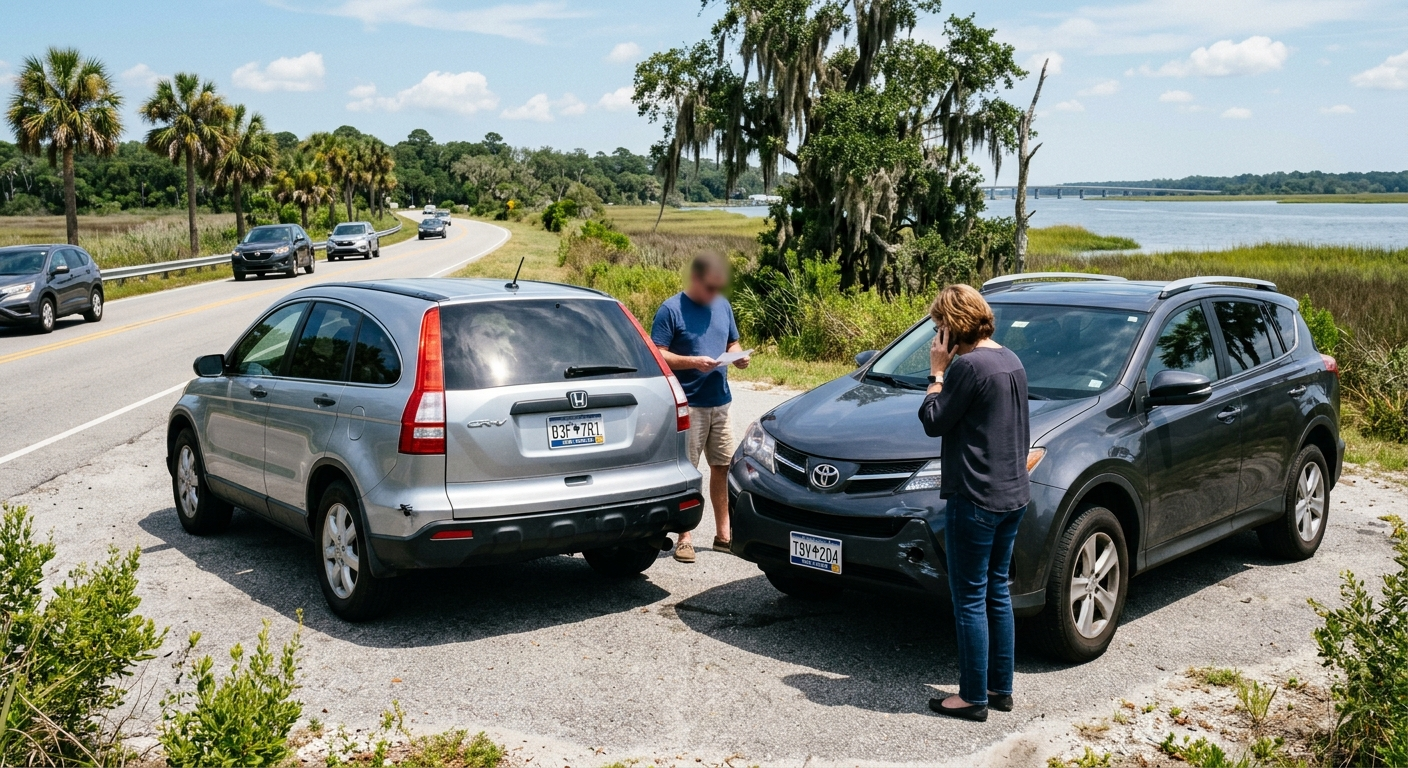
Commercial auto insurance covers vehicles used for business purposes. This includes company owned vehicles, leased vehicles, and employee personal vehicles used for work tasks. South Carolina requires minimum liability coverage of $25,000 per person, $50,000 per accident for bodily injury, and $25,000 for property damage, but these minimums provide inadequate protection for most business exposures.
Commercial auto policies differ from personal auto insurance in several ways. They cover multiple drivers without naming each one individually, provide higher liability limits appropriate for business assets, and include coverage options specific to commercial use like hired and non owned auto coverage.
Hired and non owned auto insurance fills a critical gap for Myrtle Beach businesses that use employee vehicles or rent vehicles for business purposes. Without this coverage, the business faces liability exposure from accidents in vehicles it does not own but uses for commercial activities.
Workers Compensation Insurance
Workers compensation insurance pays medical expenses and partial lost wages when employees suffer work related injuries or illnesses. South Carolina law requires workers compensation coverage for businesses with four or more employees, with lower thresholds for certain industries like construction.
Workers compensation operates as a no fault system in South Carolina. Injured employees receive benefits regardless of who caused the accident, while employers receive protection from most employee lawsuits related to workplace injuries. This trade off benefits both parties by providing predictable outcomes for workplace injury claims.
Premium rates for workers compensation vary dramatically by job classification. Office workers face much lower rates than construction workers or restaurant staff because their injury frequency and severity differ significantly. Properly classifying employees ensures accurate premiums without overpaying or underinsuring.
Specialized Commercial Insurance for Myrtle Beach Industries
Beyond core coverage types, many Myrtle Beach businesses need specialized commercial insurance policies tailored to their specific industry risks. Working with a Myrtle Beach commercial insurance agent who understands these industry nuances helps ensure appropriate coverage without paying for unnecessary endorsements.
Restaurant and Hospitality Coverage
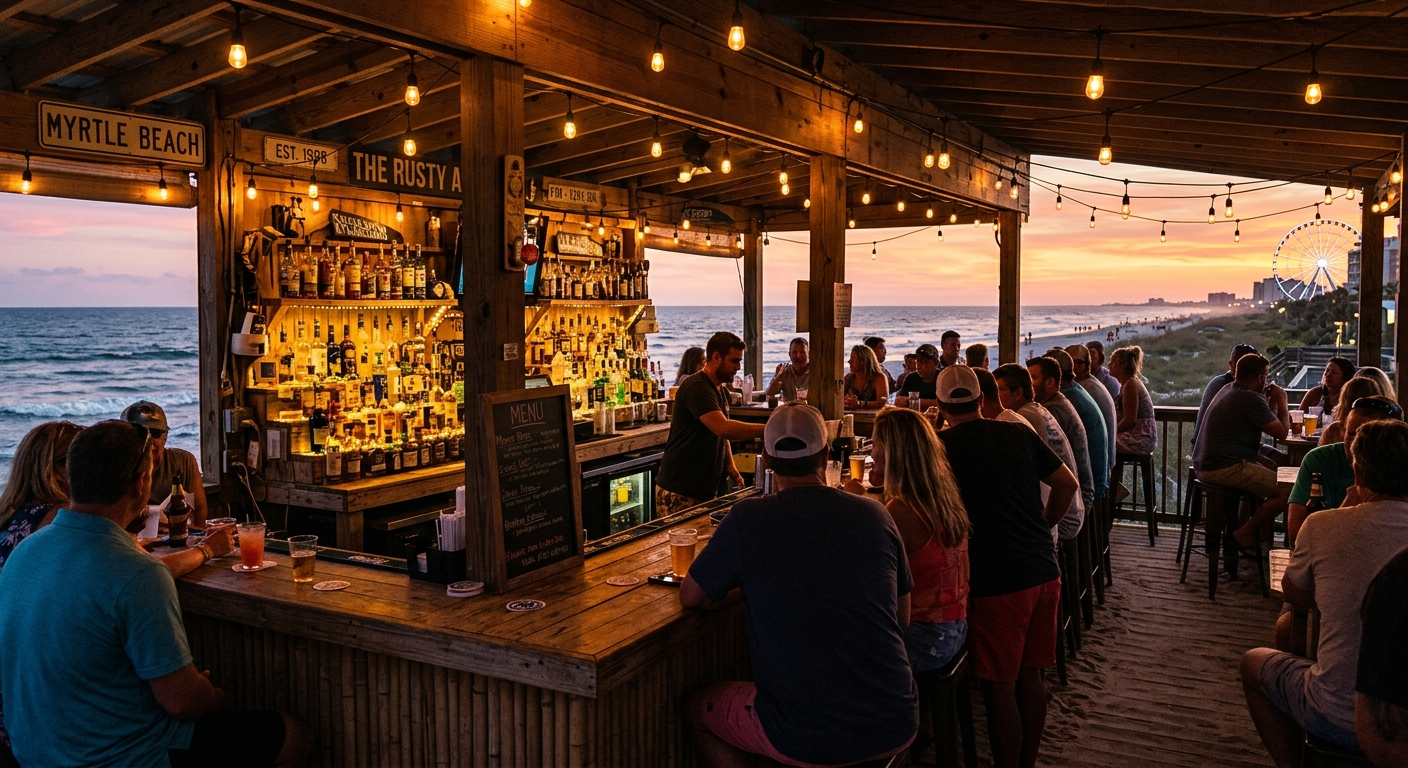
Restaurant insurance addresses the full spectrum of food service risks that standard policies may exclude or limit. Liquor liability coverage protects establishments serving alcohol from claims arising from intoxicated patrons. Equipment breakdown coverage pays to repair or replace commercial kitchen equipment that fails due to mechanical or electrical problems. Food spoilage coverage responds when inventory must be discarded after refrigeration failures or power outages.
Hospitality insurance for Myrtle Beach hotels, motels, and lodging operations requires specialized liability coverage for guest injuries and property damage. Innkeeper liability addresses claims for theft or damage to guest belongings. Properties with pools, fitness centers, or recreational amenities need coverage extensions for each additional liability exposure.
Contractor and Construction Coverage
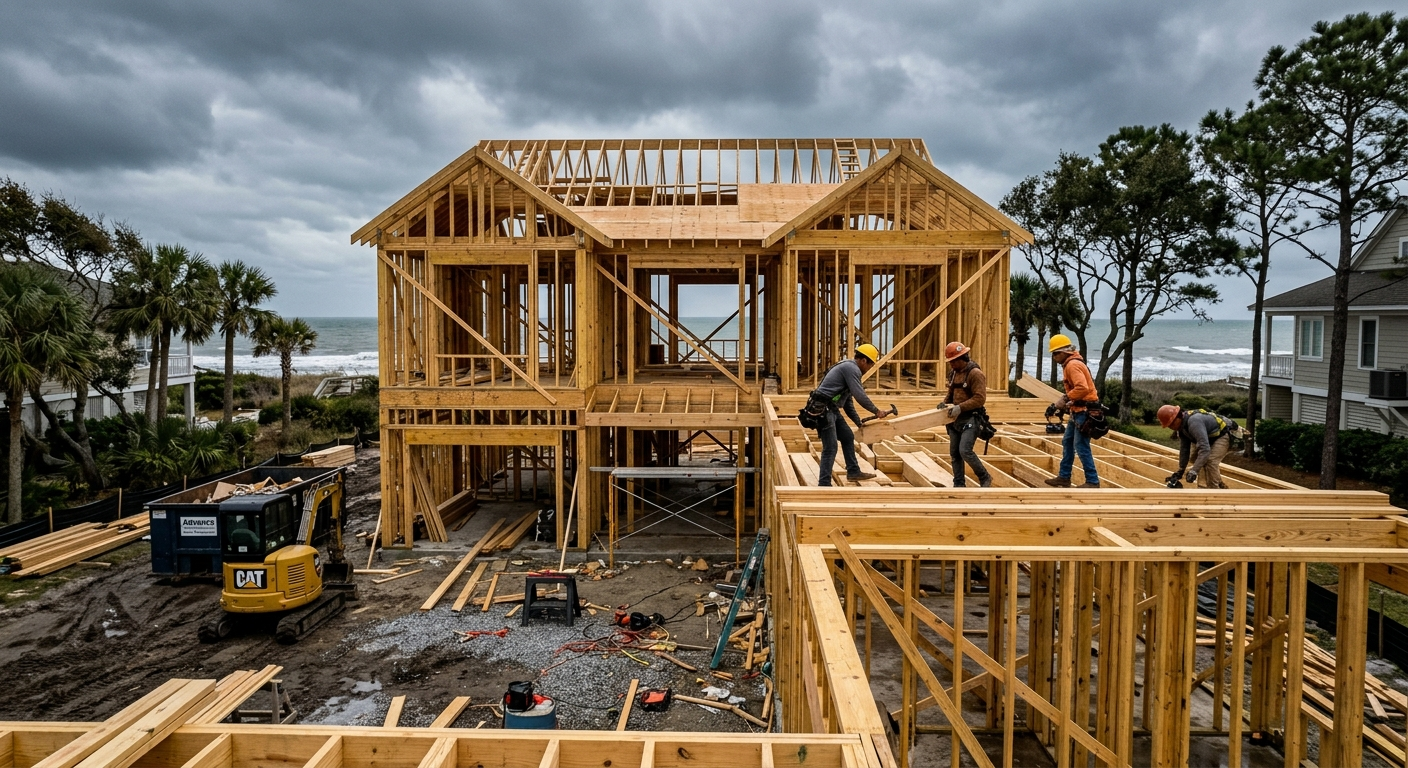
Builders risk insurance protects structures under construction from damage during the building process. This coverage applies to new construction, major renovations, and additions, protecting the building owner or contractor from losses before the project reaches completion and permanent insurance takes effect.
Inland marine insurance covers equipment, tools, and materials that move between job sites or locations. For Myrtle Beach contractors whose tools and equipment travel to different projects throughout the area, inland marine coverage provides protection that standard commercial property policies exclude for property away from the business premises.
Professional Services Coverage
Professional liability insurance, also called errors and omissions coverage, protects businesses that provide advice or services against claims of negligent performance. Accountants, consultants, real estate agents, technology professionals, and similar service providers face exposures that general liability insurance does not address.
Professional liability claims arise when clients allege that your advice or services caused them financial harm. Even unfounded claims require legal defense, and professional liability coverage pays defense costs in addition to any settlements or judgments. Many professional licensing boards and client contracts require proof of this coverage.
Short Term Rental Coverage
Short term rental insurance addresses the specific risks of vacation rental properties that dominate the Myrtle Beach market. Traditional landlord insurance policies often exclude or limit coverage for properties rented for periods shorter than 30 days, leaving short term rental operators with significant coverage gaps.
Dedicated short term rental commercial insurance provides liability protection for guest injuries, property damage coverage that remains in force during rental periods, and loss of rental income protection when covered events prevent rentals. Many platforms like Airbnb and VRBO require proof of adequate insurance before listing properties.
Umbrella and Excess Liability Protection
Commercial umbrella insurance provides additional liability limits above your underlying general liability, commercial auto, and employers liability policies. When claims exceed primary policy limits, umbrella coverage responds to pay the excess amount up to the umbrella policy limit.
Excess liability coverage functions similarly but follows the exact terms of underlying policies rather than potentially broadening coverage. Both options protect Myrtle Beach businesses from catastrophic claims that could exhaust primary policy limits and threaten business assets.
The cost of umbrella coverage relative to the protection it provides makes it one of the most valuable commercial insurance purchases. A $1 million umbrella policy typically costs a fraction of primary coverage while doubling or tripling total liability protection.
Business Income and Continuity Coverage
Business interruption insurance replaces lost income and covers continuing expenses when covered events force your business to close temporarily. For Myrtle Beach businesses, this coverage proves essential during hurricane season when evacuations or storm damage can prevent normal operations for extended periods.
Business interruption coverage typically attaches to commercial property policies and only pays for income losses caused by covered property damage. If your property policy excludes wind damage or flood, business interruption coverage will not pay for income losses resulting from those perils either. Ensuring alignment between property and business income coverage prevents unexpected gaps.
Civil authority coverage, an extension of business interruption insurance, pays when government orders force your business to close even though your property suffered no direct damage. This coverage responded during mandatory hurricane evacuations when undamaged Myrtle Beach businesses lost income due to evacuation orders preventing access to their locations.
Coastal Weather and Commercial Insurance in Myrtle Beach
Operating a business on the South Carolina coast means elevated weather related risks that directly impact commercial insurance coverage, availability, and cost. Understanding these factors helps Myrtle Beach business owners make informed decisions about their insurance programs.
Hurricane and Named Storm Exposures
Most commercial property policies in Myrtle Beach include separate deductibles for named storms or hurricanes. These deductibles typically calculate as a percentage of insured value rather than flat dollar amounts. A 2% hurricane deductible on a building insured for $1 million means the business pays the first $20,000 of any hurricane related claim before insurance responds.
Trigger definitions matter significantly for hurricane deductibles. Some policies apply the percentage deductible when the National Hurricane Center names a storm, while others require a hurricane watch or warning for your specific location. Understanding when your deductible changes prevents surprises during claims.
Flood Insurance Requirements
Standard commercial insurance policies exclude flood damage entirely. Myrtle Beach businesses need separate flood insurance through the National Flood Insurance Program or private flood insurers. Even businesses outside designated flood zones face flood risk from tropical storms, heavy rainfall, and inadequate drainage.
NFIP commercial flood policies cap building coverage at $500,000 and contents coverage at $500,000. Businesses needing higher limits must purchase excess flood coverage from private markets. Given property values in many Myrtle Beach commercial areas, excess flood coverage provides essential protection for adequate recovery after flood events.
Wind and Hail Coverage Considerations
Wind and hail coverage in coastal South Carolina often requires separate policies or endorsements rather than standard inclusion in commercial property coverage. The South Carolina Wind and Hail Underwriting Association provides wind coverage for properties that cannot obtain it in the standard market, though premiums and terms may differ from preferred carriers.
Reviewing wind and hail coverage terms carefully reveals important details about what damage qualifies for coverage. Cosmetic damage exclusions, matching requirements for partial repairs, and specific definitions of covered wind events all affect how policies respond to claims.
How Commercial Insurance Costs Are Determined in Myrtle Beach
Commercial insurance premiums in Myrtle Beach reflect multiple rating factors that vary by coverage type. Understanding these factors helps business owners anticipate costs and identify opportunities to manage premiums effectively.
Location significantly impacts commercial property and liability costs. Properties closer to the coast face higher wind and property premiums. Flood zone designations directly affect flood insurance availability and pricing. Building construction type, age, and protective features like sprinkler systems influence property rates.
Industry classification determines base rates for most commercial coverage types. Restaurants pay different rates than office businesses because their risk profiles differ substantially. Accurate classification ensures appropriate premiums without overpaying for coverage designed for higher risk operations.
Claims history affects renewal pricing across all commercial insurance lines. Businesses with frequent claims pay more than those with clean loss records. Implementing safety programs, training employees properly, and addressing hazards proactively reduces claim frequency and improves long term costs.
Coverage selections directly impact premiums. Higher limits, lower deductibles, and broader coverage forms cost more than minimum coverage with high deductibles. Balancing adequate protection against premium costs requires understanding the actual exposures your business faces.
Packaging Commercial Insurance for Better Value
Purchasing commercial insurance as packaged policies rather than separate monoline coverage often provides better value and eliminates coverage gaps between policies. Several packaging options suit different business sizes and complexity levels.
A business owners policy bundles general liability and commercial property coverage with various optional endorsements at premiums lower than purchasing each coverage separately. BOPs work well for smaller Myrtle Beach businesses with straightforward coverage needs and qualify for the eligibility requirements insurers establish.
Larger or more complex businesses may need a commercial package policy that combines multiple coverage types with greater flexibility than a BOP allows. Package policies can include property, liability, crime, inland marine, and other coverages under a single policy with coordinated terms.
Working with an independent insurance agent allows comparison of both packaging options and carrier offerings to find the best combination of coverage, service, and price for your specific situation.
Protecting Against Business Crime and Cyber Threats
Commercial crime insurance protects businesses from losses caused by criminal acts including employee theft, forgery, computer fraud, and funds transfer fraud. Standard commercial property policies exclude most crime losses, leaving businesses without protection unless they purchase dedicated crime coverage.
Employee dishonesty coverage, a component of crime insurance, responds when trusted employees steal money, securities, or property. For Myrtle Beach businesses handling cash transactions or valuable inventory, employee dishonesty coverage provides essential protection against internal theft that might otherwise go undetected until significant losses accumulate.
Cyber liability insurance addresses the growing risks businesses face from data breaches, ransomware attacks, and other cyber incidents. Myrtle Beach businesses that collect customer information, process credit card transactions, or rely on computer systems for operations face cyber exposures that traditional commercial insurance policies exclude.
Cyber policies provide both first party coverage for your own losses and third party coverage for claims from affected customers or partners. First party coverage pays for notification costs, credit monitoring, data recovery, and business interruption from cyber events. Third party coverage defends against lawsuits and regulatory actions resulting from breaches.
Get a Commercial Insurance Quote in Myrtle Beach, South Carolina
Moore and Associates has provided commercial insurance solutions to Myrtle Beach businesses since 1979. As an independent agency representing multiple carriers, we compare options to find coverage that protects your business appropriately without overpaying for unnecessary endorsements.
Our commercial insurance agents serve Myrtle Beach, South Carolina and surrounding areas including North Myrtle Beach, Atlantic Beach, Conway, Surfside Beach, Murrells Inlet, Litchfield, Pawleys Island, and Georgetown. Contact Moore and Associates today for a free quote.
Get A Quote
At Moore & Associates Insurance, securing your future is easy. Ready to protect what matters? Contact us for a quick quote and personalized insurance options!
Kelly
Speak to Kelly 24/7
Microphone ready
Start your custom insurance quote
Instant answers to your insurance questions
Schedule appointments or follow-ups
Personal Insurance
From auto and homeowners to renters and umbrella policies, we help protect your family and property. Let’s find coverage that fits your life.
Commercial Insurance
We customize policies for your industry's risks, like general liability and workers' comp, ensuring you can run your business worry-free.
Contact Moore & Associates Insurance
Recent Posts