Why North Myrtle Beach Drivers Need Quality Auto Insurance
Auto insurance in North Myrtle Beach involves more than meeting state minimum requirements. Coastal driving conditions, seasonal traffic surges, and weather events create risks that drivers in other parts of South Carolina do not face. Understanding these local factors helps you select coverage that actually protects you when something goes wrong.
North Myrtle Beach sits at the northern end of the Grand Strand, where Highway 17 carries heavy traffic year round and Ocean Boulevard fills with visitors every summer. From Cherry Grove to Barefoot Landing, local roads see everything from minor fender benders in beach traffic to serious accidents on rain slicked highways. The right car insurance policy accounts for these realities rather than treating North Myrtle Beach like any other small town.
South Carolina Auto Insurance Requirements
South Carolina law requires all drivers to carry minimum liability insurance. These minimums establish the legal floor for coverage but often prove inadequate after serious accidents.
Minimum Liability Limits
South Carolina requires liability coverage of at least:
- $25,000 bodily injury per person: Maximum the policy pays for injuries to one person you injure in an accident
- $50,000 bodily injury per accident: Maximum the policy pays for all injuries in a single accident you cause
- $25,000 property damage per accident: Maximum the policy pays for damage to other vehicles or property
These limits, commonly written as 25/50/25, have not increased in decades despite rising medical costs and vehicle values. A single trip to the emergency room can exceed $25,000, and modern vehicles routinely cost $40,000 or more to replace. Drivers who cause accidents resulting in costs beyond their policy limits face personal liability for the difference.
Uninsured Motorist Coverage
South Carolina requires uninsured motorist coverage matching your liability limits unless you specifically reject it in writing. This coverage protects you when an at fault driver has no insurance or flees the scene. Given that South Carolina consistently ranks among states with the highest uninsured driver rates, maintaining this coverage provides essential protection for North Myrtle Beach drivers.
Coverage Types Explained
A comprehensive auto insurance policy includes several coverage components. Understanding what each covers helps you make informed decisions about your protection.
Liability Coverage
Liability insurance pays for damage and injuries you cause to others when you are at fault in an accident. This includes medical expenses for injured parties, repair or replacement costs for damaged vehicles and property, and legal defense costs if you are sued.
Most North Myrtle Beach drivers should carry liability limits well above state minimums. Limits of 100/300/100 (meaning $100,000 per person, $300,000 per accident for bodily injury, and $100,000 for property damage) provide more realistic protection given current costs. Higher limits cost relatively little more in premium compared to the protection they provide.
Collision Coverage
Collision coverage pays to repair or replace your vehicle after an accident regardless of fault. If you hit another car, strike a guardrail, or roll your vehicle, collision coverage responds. Your deductible applies before the coverage pays.
Collision coverage makes sense for newer vehicles with significant value. As cars age and depreciate, some owners choose to drop collision coverage when the potential payout no longer justifies the premium cost. A general guideline suggests dropping collision when your annual premium exceeds 10% of your vehicle's value.
Comprehensive Coverage
Comprehensive coverage protects your vehicle against damage from events other than collisions. This includes theft, vandalism, fire, falling objects, animal strikes, and weather damage. For North Myrtle Beach drivers, comprehensive coverage is particularly important because it covers hurricane and flood damage to your vehicle.
Comprehensive claims for weather damage do not typically raise your rates since these events are not your fault. Given the coastal storm exposure in North Myrtle Beach, maintaining comprehensive coverage protects your vehicle during hurricane season when the risk of damage spikes dramatically.
Medical Payments Coverage
Medical payments coverage, often called MedPay, pays for medical expenses for you and your passengers after an accident regardless of fault. This coverage works alongside health insurance and can help cover deductibles, copays, and expenses your health plan does not cover.
MedPay limits typically range from $1,000 to $25,000. Even modest coverage helps bridge gaps after an accident and pays quickly without requiring fault determination.
Uninsured and Underinsured Motorist Coverage
Uninsured motorist coverage pays for your injuries and vehicle damage when an at fault driver has no insurance. Underinsured motorist coverage applies when the at fault driver has insurance but their limits are insufficient to cover your losses.
North Myrtle Beach sees visitors from across the country, including states with lower insurance requirements or higher uninsured rates. A driver from another state causing an accident may have inadequate coverage to address your medical bills and vehicle damage. Carrying uninsured and underinsured coverage at limits matching your liability coverage ensures you are protected regardless of who hits you.
Rental Reimbursement Coverage
When your vehicle is in the shop after a covered accident, rental reimbursement coverage pays for a rental car. Without this coverage, you pay out of pocket for transportation while waiting days or weeks for repairs.
Rental reimbursement typically costs only $20 to $50 per year and provides daily rental allowances of $30 to $50 for a specified number of days. For drivers who depend on their vehicle daily, this inexpensive coverage prevents significant inconvenience and expense.
Roadside Assistance
Roadside assistance coverage provides help when your vehicle breaks down or you experience problems like flat tires, dead batteries, lockouts, or running out of fuel. A single tow can cost $100 to $300 or more, making the small annual premium for roadside coverage worthwhile for most drivers.
Driving Risks Specific to North Myrtle Beach
Local driving conditions affect both your risk of accidents and the coverage you need. North Myrtle Beach presents several challenges that other areas do not share.
Tourist Traffic
North Myrtle Beach's population swells dramatically during summer months. Drivers unfamiliar with local roads, distracted by beach scenery, or uncertain about directions create unpredictable traffic conditions. Highway 17 through North Myrtle Beach experiences frequent accidents during peak season, and beach access roads see constant turning traffic that catches visitors off guard.
Higher traffic density increases accident frequency. The mix of local drivers who know the roads and tourists who do not creates additional hazards. Maintaining adequate coverage protects you when another driver's mistake causes a collision.
Coastal Weather
Summer thunderstorms strike North Myrtle Beach frequently, often with little warning. Heavy rain reduces visibility and creates standing water on roads. Hydroplaning accidents increase during and after storms, and drivers caught in sudden downpours may make poor decisions that lead to collisions.
Hurricane season brings more severe weather risks. While most residents evacuate before major storms, vehicles left behind can sustain significant damage from wind, flooding, and debris. Comprehensive coverage protects your vehicle whether you evacuate or shelter in place.
Flood Prone Roads
Several areas in North Myrtle Beach flood during heavy rain and king tides. Low lying sections of roads near Cherry Grove, areas along the Intracoastal Waterway, and streets near tidal creeks can flood even without major storms. Driving through standing water damages vehicles and can leave you stranded.
Standard auto insurance comprehensive coverage includes flood damage, unlike homeowners insurance which excludes flooding. If your vehicle is damaged by rising water, your comprehensive coverage pays for repairs or replacement minus your deductible.
Wildlife
Deer and other wildlife cross roads throughout Horry County, particularly in less developed areas between North Myrtle Beach and Conway. Animal strikes cause significant vehicle damage and can result in injuries. Comprehensive coverage pays for animal strike damage, which occurs more frequently during dawn and dusk hours.
How Much Car Insurance Costs in North Myrtle Beach
Auto insurance premiums in North Myrtle Beach depend on multiple factors specific to you and your vehicle. Understanding what affects your rate helps you find competitive pricing and identify opportunities for savings.
Factors Affecting Your Premium
- Driving record: Accidents and traffic violations increase premiums significantly. A clean driving record qualifies you for better rates.
- Age and experience: Younger drivers and those newly licensed pay more due to higher statistical accident rates. Rates typically decrease as drivers gain experience.
- Vehicle type: Newer, more expensive vehicles cost more to insure. Sports cars and high performance vehicles carry higher premiums than sedans and minivans.
- Coverage amounts: Higher liability limits, lower deductibles, and additional coverages increase premiums but provide better protection.
- Credit history: South Carolina allows insurers to use credit based insurance scores. Better credit typically results in lower premiums.
- Annual mileage: Drivers who commute long distances or drive frequently pay more than those with limited annual mileage.
- Where you live: Your address affects rates based on local accident frequency, theft rates, and claims history in your area.
- Claims history: Previous claims, even for not at fault accidents, can affect your rates with some insurers.
Average Premium Ranges
North Myrtle Beach drivers typically pay $1,200 to $2,500 annually for full coverage auto insurance, though rates vary widely based on individual factors. Minimum coverage only policies cost less but leave significant gaps in protection. Young drivers, those with accidents or violations, and owners of expensive vehicles often pay above average rates.
Ways to Save on Car Insurance
Several strategies can help reduce your North Myrtle Beach auto insurance costs without sacrificing necessary coverage.
Available Discounts
- Multi policy discount: Bundling auto insurance with homeowners, condo, or renters insurance often saves 10% to 25% on both policies
- Multi vehicle discount: Insuring multiple vehicles on the same policy reduces per vehicle costs
- Good driver discount: Maintaining a clean driving record for three to five years qualifies you for significant savings
- Defensive driving course: Completing an approved course can reduce premiums, particularly for older drivers
- Good student discount: Students maintaining a B average or better often qualify for reduced rates
- Low mileage discount: Driving fewer miles annually qualifies you for lower rates with many insurers
- Safety features: Anti theft devices, airbags, anti lock brakes, and other safety equipment may reduce premiums
- Pay in full discount: Paying your annual premium upfront rather than monthly often saves 5% to 10%
Adjusting Your Coverage
Reviewing your coverage periodically ensures you are not paying for protection you no longer need. Consider dropping collision and comprehensive coverage on older vehicles with low market value. Increasing your deductibles lowers premiums if you can afford higher out of pocket costs after an accident. However, avoid reducing liability limits below adequate levels just to save money, as the potential consequences far outweigh the premium savings.
Shopping for Better Rates
Auto insurance rates vary significantly between carriers for the same coverage. Working with a Myrtle Beach auto insurance agent who represents multiple companies allows you to compare options efficiently. Rates should be compared every few years or whenever your circumstances change significantly, such as moving, adding a driver, or experiencing a major life event.
What to Do After a Car Accident
Knowing how to handle an accident before one occurs helps protect your interests and ensures a smoother claims process.
At the Scene
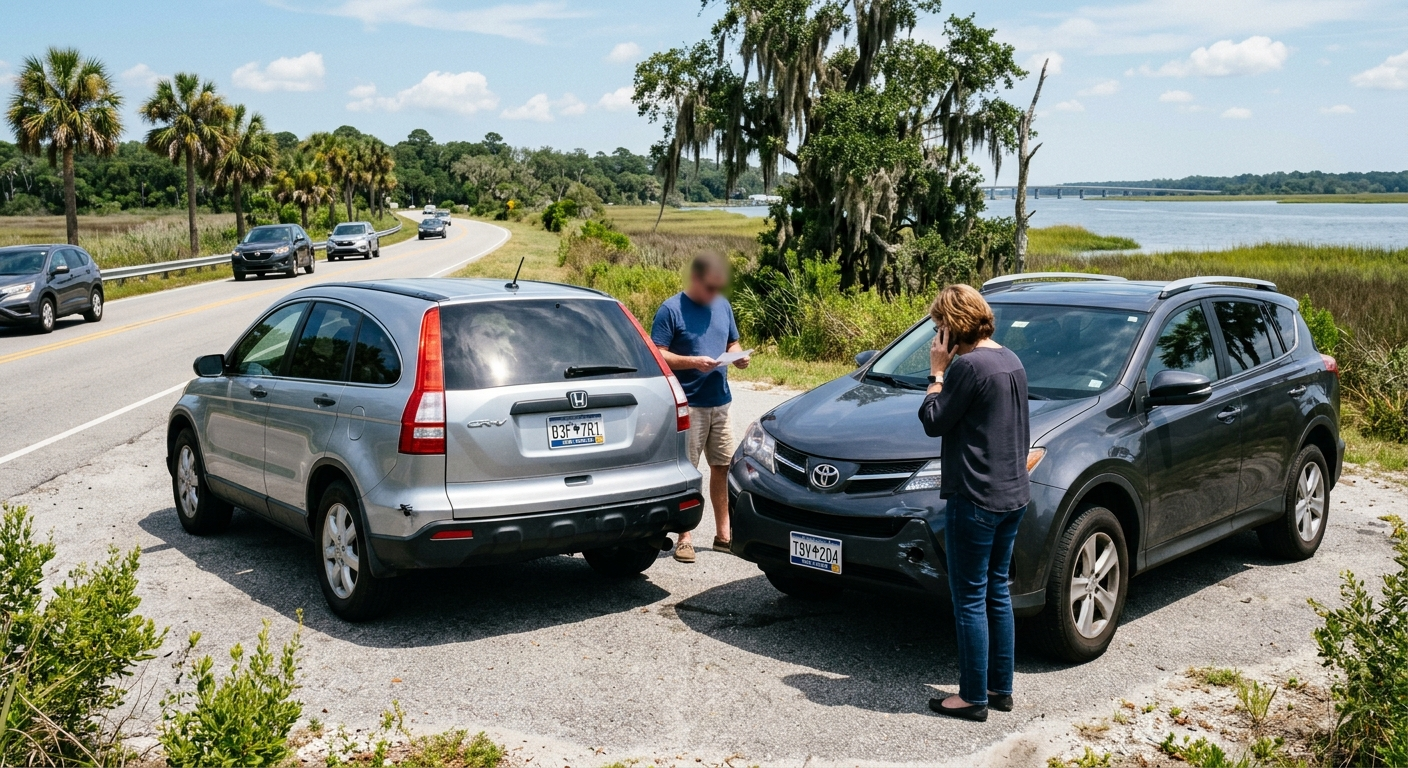
Safety comes first. Move vehicles out of traffic if possible and check for injuries. Call 911 if anyone is hurt or if the accident blocks traffic. South Carolina law requires reporting accidents that result in injury, death, or property damage exceeding $1,000.
Exchange information with other drivers, including names, contact information, driver's license numbers, insurance companies, and policy numbers. Document the scene with photographs showing vehicle positions, damage to all vehicles, road conditions, traffic signs, and any visible injuries. Get contact information from witnesses.
Do not admit fault or apologize at the scene, as these statements can be used against you later. Stick to factual information when speaking with other drivers and police officers.
Reporting Your Claim
Contact your insurance company promptly to report the accident. Provide the documentation you gathered and answer questions honestly. Your insurer will assign a claims adjuster to evaluate the damage and determine coverage.
If the other driver was at fault, you can file a claim with their insurance company or use your own coverage and let your insurer pursue the other party through subrogation. Using your own coverage often results in faster repairs, though you may need to pay your deductible upfront and wait for reimbursement.
Getting Your Vehicle Repaired
Your insurer may recommend repair shops but cannot require you to use specific facilities. Get estimates from multiple shops if you prefer. Once repairs are approved, the shop works directly with your insurance company on payment.
If your vehicle is totaled, meaning repair costs exceed the vehicle's value, your insurer pays the actual cash value minus your deductible. If you owe more on your loan than the vehicle is worth, gap insurance covers the difference. Without gap coverage, you would owe the remaining loan balance out of pocket.
SR22 Insurance in North Myrtle Beach
Drivers convicted of certain offenses in South Carolina may need to file an SR22 certificate to maintain or reinstate their driving privileges. An SR22 is not a type of insurance but rather a form your insurer files with the state proving you carry required liability coverage.
Common reasons for SR22 requirements include DUI convictions, driving without insurance, multiple traffic violations, and at fault accidents while uninsured. The SR22 requirement typically lasts three years, during which any lapse in coverage results in license suspension.
Not all insurers offer SR22 filings, and those that do often charge higher premiums for drivers needing this certification. Working with an independent agent helps you find carriers willing to provide SR22 insurance at competitive rates despite your driving history.
Insuring Multiple Vehicles and Drivers
Households with multiple vehicles and drivers have several options for structuring their coverage efficiently.
Multi Vehicle Policies
Insuring all household vehicles on a single policy typically costs less than separate policies for each vehicle. Multi vehicle discounts often reach 10% to 25% per vehicle. All drivers in the household should be listed on the policy to ensure coverage applies when anyone drives any vehicle.
Adding Young Drivers
Teen drivers significantly increase household premiums due to their higher accident risk. However, adding them to an existing family policy costs less than purchasing separate coverage. Good student discounts, driver training discounts, and assigning young drivers to the least expensive vehicle on the policy can help manage costs.
Occasional Drivers
Household members who rarely drive, such as elderly parents or college students away at school, may qualify for excluded driver status or occasional driver ratings that reduce their impact on premiums. Discuss your specific situation with your agent to find the most cost effective approach.
Golf Cart Insurance
North Myrtle Beach allows golf carts on certain public roads, making golf cart insurance relevant for many residents. Standard auto policies do not cover golf carts, and homeowners policies provide only limited protection.
Golf cart insurance covers liability if you injure someone or damage property, physical damage to the cart from accidents or theft, and medical payments for occupants. Residents who use golf carts for transportation beyond their own property should carry dedicated golf cart coverage to protect against these risks.
Why Work with Moore and Associates
Moore and Associates has helped drivers throughout the Myrtle Beach area find quality auto insurance since 1979. As an independent insurance agency, we represent multiple carriers rather than a single company. This allows us to compare rates and coverage options to find policies that fit your specific needs and budget.
Our local agents understand driving conditions in North Myrtle Beach, Myrtle Beach, Conway, and surrounding areas of South Carolina. We help you navigate coverage decisions, identify available discounts, and secure appropriate protection for your vehicles and your family.
Get a Car Insurance Quote in Myrtle Beach, South Carolina
Our auto insurance agents serve Myrtle Beach, South Carolina and surrounding areas including North Myrtle Beach, Atlantic Beach, Conway, Surfside Beach, Murrells Inlet, Litchfield, Pawleys Island, and Georgetown. Contact Moore and Associates today for a free quote and protect yourself on the road with coverage designed for coastal South Carolina drivers.
Get A Quote
At Moore & Associates Insurance, securing your future is easy. Ready to protect what matters? Contact us for a quick quote and personalized insurance options!
Kelly
Speak to Kelly 24/7
Microphone ready
Start your custom insurance quote
Instant answers to your insurance questions
Schedule appointments or follow-ups
Personal Insurance
From auto and homeowners to renters and umbrella policies, we help protect your family and property. Let’s find coverage that fits your life.
Commercial Insurance
We customize policies for your industry's risks, like general liability and workers' comp, ensuring you can run your business worry-free.
Contact Moore & Associates Insurance
Recent Posts