What Makes North Myrtle Beach Business Insurance Different
Business insurance in North Myrtle Beach must address the specific risks that companies face operating in this coastal community. While North Myrtle Beach shares some characteristics with its larger neighbor to the south, its business environment has distinct features that influence insurance needs. The city's mix of year round residents and seasonal visitors, its concentration of vacation rental properties, and its particular exposure to coastal weather all shape how local businesses should approach coverage.
North Myrtle Beach stretches from Cherry Grove at the northern end through Ocean Drive, Crescent Beach, and Windy Hill, each area with its own commercial character. Main Street in Ocean Drive hosts restaurants, shops, and entertainment venues that draw visitors for the shag dancing scene and beach culture. Highway 17 corridors support retail, service businesses, and professional offices serving both tourists and the growing permanent population. Barefoot Landing and other commercial centers attract shoppers and diners throughout the year.
Business insurance in North Myrtle Beach needs to account for seasonal revenue swings, hurricane and flood exposure, liability risks from visitor traffic, and the specific requirements of industries that dominate the local economy. Understanding these factors helps business owners select coverage that actually protects their operations rather than leaving gaps that become apparent only when claims arise.
Core Business Insurance Coverage for North Myrtle Beach Companies
Every North Myrtle Beach business needs a foundation of essential coverage types, though the specific policies and limits vary based on industry, size, and risk profile. Building an appropriate insurance program starts with understanding what each coverage type protects against.
General Liability Insurance
General liability insurance protects your business when third parties claim bodily injury, property damage, or personal and advertising injury. For North Myrtle Beach businesses serving tourists and locals, this coverage responds to scenarios ranging from customer slip and fall accidents to damage your operations cause to neighboring properties.
Tourist oriented businesses face elevated liability exposure due to high customer volumes during peak season. A busy summer week can bring thousands of visitors through a retail shop or restaurant, each interaction creating potential liability. General liability coverage with limits of at least $1 million per occurrence provides baseline protection, though many North Myrtle Beach businesses need higher limits based on their specific operations and lease requirements.
Commercial Property Insurance
Commercial property insurance covers the physical assets your business owns or uses, including buildings, equipment, inventory, furniture, fixtures, and signage. For North Myrtle Beach businesses, property coverage must address both standard perils like fire and theft and the coastal weather exposures that make this market unique.
Standard commercial property policies often exclude or limit wind coverage in coastal areas. North Myrtle Beach businesses need to verify that their property coverage adequately addresses hurricane and tropical storm damage, potentially requiring separate wind policies or specific endorsements. Flood damage is excluded from all standard property policies and requires separate coverage regardless of flood zone designation.
Business Interruption Insurance
Business interruption coverage replaces lost income and pays continuing expenses when covered events force your business to close temporarily. For North Myrtle Beach companies with significant seasonal revenue, this coverage proves essential. A hurricane that forces closure during July or August can cost a tourist dependent business most of its annual profit.
Business interruption coverage typically attaches to commercial property policies and only responds to income losses caused by covered property damage. If your property policy excludes wind or flood, business interruption coverage will not pay for closures caused by those perils. Aligning business interruption terms with your property coverage prevents unexpected gaps when storms strike.
Workers Compensation Insurance
South Carolina requires workers compensation insurance for businesses with four or more employees, with certain industries requiring coverage at lower employee counts. Workers compensation pays medical expenses and partial lost wages when employees suffer work related injuries or illnesses, while protecting employers from most employee lawsuits related to workplace incidents.
North Myrtle Beach businesses with seasonal employment patterns face particular workers compensation challenges. Coverage must be in place when seasonal staff begins work, and payroll estimates for premium calculations should accurately reflect actual seasonal hiring. Underestimating payroll results in premium audits and additional charges at policy end.
Industry Specific Coverage for North Myrtle Beach Businesses
Different industries in North Myrtle Beach face distinct risks requiring specialized coverage beyond core policies. Working with a North Myrtle Beach business insurance agent familiar with local industry needs helps ensure appropriate protection.
Vacation Rental and Property Management
North Myrtle Beach has a substantial vacation rental market, with property management companies overseeing hundreds of rental units throughout the city. These operations need specialized coverage that standard business policies may not adequately provide.
Short term rental insurance addresses the specific liability and property risks of vacation rental operations. Property managers need errors and omissions coverage protecting against claims of negligent property management. General liability coverage must extend to injuries occurring at managed properties. Hired and non owned auto coverage protects against liability when employees use personal vehicles for property inspections and guest services.
Restaurant and Food Service
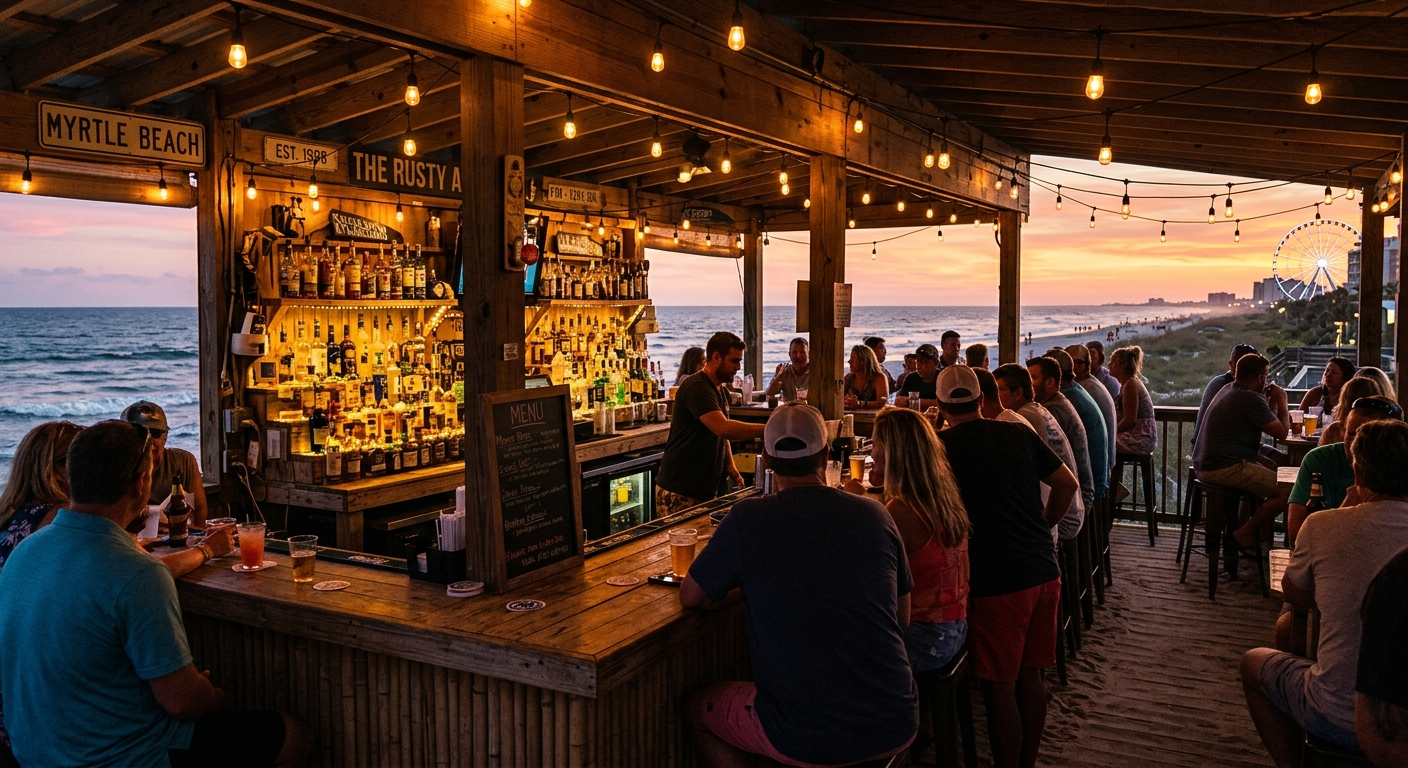
North Myrtle Beach restaurants serve both tourists seeking beach dining and locals who patronize establishments year round. Restaurant insurance must address the full spectrum of food service risks including customer injuries, food contamination claims, liquor liability for establishments serving alcohol, and equipment breakdown coverage for commercial kitchen equipment.
Seasonal revenue patterns affect how restaurant owners should structure coverage. Business interruption calculations should reflect peak season income rather than annual averages. Equipment coverage should account for the intensive use commercial kitchen equipment receives during busy summer months when failures are most likely and most costly.
Retail and Beach Services
Retail shops along Main Street and in commercial centers throughout North Myrtle Beach need coverage for merchandise inventory, customer liability, and business personal property. Beach service operators renting chairs, umbrellas, and water sports equipment face additional exposures requiring specialized coverage.
Inventory values fluctuate seasonally for many North Myrtle Beach retailers who stock up before tourist season. Peak inventory coverage ensures adequate protection during months when stock levels are highest, even if average inventory throughout the year is lower.
Marine and Water Sports Businesses
North Myrtle Beach supports numerous marine businesses including boat rental operations, fishing charters, jet ski rentals, and water sports instruction. These operations face elevated liability risks inherent in watercraft activities and need coverage designed for marine exposures.
Standard general liability policies typically exclude watercraft liability, requiring separate marine liability coverage. Charter boat operators need protection of crew coverage for employees and jones act coverage addressing federal maritime law requirements. Boat rental operations need coverage that extends to customers operating rental watercraft.
Professional Services
Accountants, attorneys, real estate agents, insurance agents, consultants, and other professional service providers in North Myrtle Beach need professional liability coverage protecting against claims of negligent advice or service. This coverage, also called errors and omissions insurance, addresses exposures that general liability policies exclude.
Professional licensing requirements in South Carolina may mandate specific coverage levels for certain professions. Even when not legally required, professional liability coverage protects against the significant costs of defending malpractice claims, whether or not the claims have merit.
Coastal Weather Risks for North Myrtle Beach Businesses
Operating a business on the South Carolina coast means accepting elevated weather risks that directly impact insurance coverage needs, availability, and cost. North Myrtle Beach businesses must specifically address hurricane, flood, and severe weather exposures.
Hurricane and Named Storm Coverage
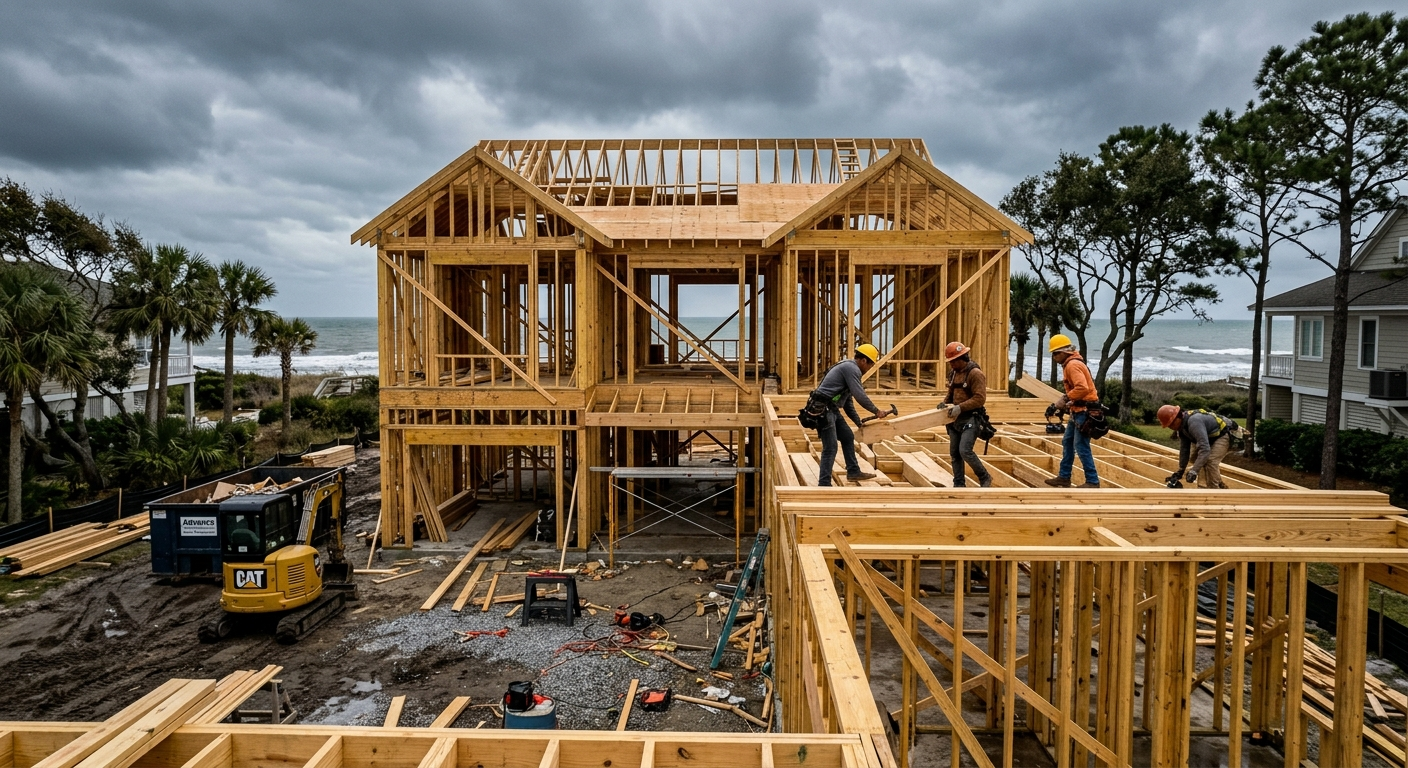
Hurricanes and tropical storms pose the most significant weather risk for North Myrtle Beach businesses. Major storms can cause direct property damage through wind and water intrusion, force extended closures during evacuations and aftermath, disrupt supply chains, and reduce customer traffic for weeks or months after impact.
Commercial property policies in North Myrtle Beach typically include separate hurricane or named storm deductibles calculated as a percentage of insured property value rather than flat dollar amounts. A 3% hurricane deductible on a building insured for $500,000 means the business pays the first $15,000 of any hurricane claim. Understanding when these higher deductibles apply and planning financially for potential claims helps businesses weather storms without catastrophic financial impact.
Flood Insurance for North Myrtle Beach Businesses
Flood damage is excluded from all standard commercial property policies regardless of location or flood zone. North Myrtle Beach businesses in flood zones need separate flood insurance through the National Flood Insurance Program or private flood markets. Even businesses outside designated flood zones experienced flooding during Hurricane Florence and other major rain events, suggesting broader flood exposure than zone designations indicate.
NFIP commercial flood policies cap coverage at $500,000 for buildings and $500,000 for contents. North Myrtle Beach businesses with property values exceeding these limits need excess flood coverage from private insurers to achieve adequate protection. For more information on flood coverage options, see our guide to flood insurance for coastal South Carolina businesses.
Business Continuity Planning
Beyond insurance coverage, North Myrtle Beach businesses benefit from comprehensive continuity planning that addresses how operations will respond to major weather events. This includes evacuation procedures, data backup systems, employee communication plans, and supplier relationships that can support rapid recovery.
Insurance provides financial protection, but minimizing actual losses through preparation reduces claims, maintains business relationships, and speeds recovery. Businesses that can reopen quickly after storms capture market share from competitors who remain closed longer.
Seasonal Considerations for North Myrtle Beach Business Insurance
The seasonal nature of North Myrtle Beach tourism creates insurance considerations that businesses operating in year round markets do not face. Properly addressing seasonality ensures coverage matches actual business patterns.
Revenue Fluctuations and Coverage Limits
Many North Myrtle Beach businesses generate the majority of their annual revenue during summer months. Business interruption coverage should be structured to protect this peak season income, not just average monthly revenue. A closure during July has dramatically different financial impact than the same duration closure in February.
Property coverage for inventory should reflect peak season stock levels even if annual average inventory is lower. Being underinsured during the months when a loss would hurt most defeats the purpose of carrying coverage.
Seasonal Employment and Workers Compensation
Businesses that hire seasonal staff must ensure workers compensation coverage is in place before seasonal employees begin work. Coverage lapses or delays in adding seasonal workers can result in uninsured injuries and significant penalties.
Payroll estimates provided to insurers should accurately reflect seasonal hiring patterns. Premium audits at policy end compare actual payroll to estimates and assess additional premium when actual payroll exceeds projections. Accurate estimates prevent unexpected audit charges while ensuring adequate coverage throughout the season.
Liability Exposure During Peak Season
Customer volume increases dramatically during summer months, multiplying liability exposure during the period when a claim would be most disruptive. Reviewing liability limits before each tourist season ensures coverage remains appropriate as business activity increases. Umbrella coverage can provide cost effective additional limits above primary liability policies.
Packaging Business Insurance for Better Value
Purchasing business insurance as packaged policies rather than separate individual coverages often provides better value and eliminates gaps between policies.
A business owners policy bundles general liability and commercial property coverage with various optional endorsements at premiums typically lower than purchasing each coverage separately. BOPs work well for smaller North Myrtle Beach businesses with straightforward coverage needs that fit eligibility requirements insurers establish for these packaged products.
Larger or more complex businesses may need a commercial package policy combining multiple coverage types with greater customization than a BOP allows. Package policies can include property, liability, crime, inland marine, and other coverages under coordinated terms that eliminate coverage gaps between separate policies.
Our guide to commercial insurance for Myrtle Beach area businesses provides additional detail on structuring comprehensive coverage programs.
How Business Insurance Costs Are Determined in North Myrtle Beach
Several factors influence business insurance premiums for North Myrtle Beach companies. Understanding these variables helps business owners anticipate costs and identify opportunities to manage premiums.
Location directly impacts property and certain liability premiums. Businesses closer to the oceanfront typically face higher property rates due to increased wind and flood exposure. Building construction type, age, and protective features influence how carriers assess property risks.
Industry classification determines base rates for most coverage types. Restaurants and bars face different rate structures than professional offices because their liability and property risk profiles differ substantially. Accurate classification ensures appropriate premiums without paying for coverage designed for higher risk operations.
Claims history significantly affects pricing. Businesses with frequent claims pay more than those with clean loss records. Implementing safety programs, training employees properly, and addressing hazards proactively reduces claim frequency and improves long term insurance costs.
Coverage selections directly impact premiums. Higher limits, lower deductibles, and broader coverage forms cost more than minimum coverage with high deductibles. Balancing adequate protection against premium costs requires understanding the actual exposures your business faces and the financial impact claims would create.
Protecting Against Cyber and Data Risks
North Myrtle Beach businesses increasingly face cyber risks as operations become more technology dependent. Retailers processing credit card transactions, professional service firms storing client data, and hospitality businesses maintaining guest information all face potential data breach liability that traditional policies do not cover.
Cyber liability insurance addresses both first party costs like notification expenses and data recovery and third party liability from claims by affected customers. Given the significant costs associated with data breaches, even small businesses with limited data exposure should evaluate cyber coverage as part of their insurance program.
Get a Business Insurance Quote in North Myrtle Beach, South Carolina
Moore and Associates has served North Myrtle Beach business owners since 1979, providing insurance solutions tailored to local conditions and industry needs. As an independent agency representing multiple carriers, we compare options across insurers to find coverage that protects your business appropriately without overpaying for unnecessary endorsements.
Our business insurance agents serve North Myrtle Beach, South Carolina and surrounding areas including Myrtle Beach, Atlantic Beach, Little River, Conway, Surfside Beach, Murrells Inlet, Litchfield, Pawleys Island, and Georgetown. Contact Moore and Associates today for a free quote.
Get A Quote
At Moore & Associates Insurance, securing your future is easy. Ready to protect what matters? Contact us for a quick quote and personalized insurance options!
Kelly
Speak to Kelly 24/7
Microphone ready
Start your custom insurance quote
Instant answers to your insurance questions
Schedule appointments or follow-ups
Personal Insurance
From auto and homeowners to renters and umbrella policies, we help protect your family and property. Let’s find coverage that fits your life.
Commercial Insurance
We customize policies for your industry's risks, like general liability and workers' comp, ensuring you can run your business worry-free.
Contact Moore & Associates Insurance
Recent Posts