Why Carolina Forest Families Need the Right Auto Insurance
Auto insurance in Carolina Forest requires coverage that matches how families in this community actually live and drive. Unlike the tourist-heavy beach areas along the Grand Strand, Carolina Forest is a residential community where families commute to work, shuttle children to school and activities, and manage multiple vehicles across different drivers with varying experience levels.
Carolina Forest has grown into one of the largest and fastest-growing communities in South Carolina. What was once a wooded area along Highway 501 now includes dozens of neighborhoods, top-rated schools, shopping centers, and thousands of families who chose this area for its combination of coastal proximity and suburban lifestyle. This growth means more vehicles on local roads, busier school zones, and insurance needs that reflect family life rather than vacation travel.
Understanding Carolina Forest Driving Conditions
The driving environment in Carolina Forest differs significantly from the beach communities just a few miles away. Understanding these differences helps you select coverage that addresses your actual risks.
Highway 501 Commuting
Most Carolina Forest residents rely on Highway 501 for their daily commute. This corridor connects Carolina Forest to employers in Myrtle Beach, Conway, and throughout Horry County. Morning and evening rush hours bring heavy traffic, particularly near the Tanger Outlets, Coastal Grand Mall, and the Highway 17 interchange.
Commuter traffic increases accident risk compared to occasional driving. Rear-end collisions are common during stop-and-go conditions, and distracted driving incidents occur frequently on this busy route. Families with members commuting daily on Highway 501 should carry coverage that accounts for this higher exposure.
School Zone Traffic
Carolina Forest is home to some of the highest-rated schools in Horry County, including Carolina Forest Elementary, Carolina Forest International Elementary, Ocean Bay Elementary, Ocean Bay Middle, and Carolina Forest High School. School zone traffic creates concentrated periods of congestion as parents drop off and pick up students.
These school zones see minor accidents regularly, particularly during dismissal times when vehicles line neighborhood streets and parking lots fill beyond capacity. Fender benders in school parking lots may seem minor, but repair costs for modern vehicles add up quickly.
Neighborhood Streets
Carolina Forest neighborhoods feature winding residential streets where children play, residents walk dogs, and golf carts travel between homes and amenities. Speed limits are low, but the mix of vehicles, pedestrians, and recreational traffic creates its own set of risks.
Backing out of driveways, navigating blind curves, and sharing roads with golf carts all contribute to minor accidents that can still result in insurance claims. Comprehensive coverage protects against the unexpected, whether that means a basketball denting your hood or a bicycle scratch along your door.
Coverage Types for Carolina Forest Families
Family auto insurance policies include several coverage components that work together to protect drivers, passengers, vehicles, and financial assets. Carolina Forest families should understand each type to make informed decisions about their protection.
Liability Coverage
Liability insurance pays for injuries and property damage you cause to others when you are at fault in an accident. South Carolina requires minimum liability limits of 25/50/25, meaning $25,000 per person for bodily injury, $50,000 per accident for bodily injury, and $25,000 for property damage.
These minimums rarely provide adequate protection for Carolina Forest families. A single serious injury can result in medical bills exceeding $100,000, and modern vehicles often cost $40,000 or more to replace. When claims exceed your policy limits, you become personally responsible for the difference. Families with homes, savings, and other assets to protect should consider liability limits of at least 100/300/100.
Collision Coverage
Collision coverage pays to repair or replace your vehicle after an accident regardless of who caused it. Whether you hit another car, strike a mailbox backing out of your driveway, or slide into a ditch during a storm, collision coverage responds.
Families with newer vehicles, car loans, or leases typically need collision coverage. Your deductible, the amount you pay before insurance kicks in, affects both your premium and your out-of-pocket costs after an accident. Higher deductibles lower premiums but require more cash on hand when claims occur.
Comprehensive Coverage
Comprehensive coverage protects your vehicle against damage from events other than collisions. This includes theft, vandalism, falling tree branches, hail damage, fire, and animal strikes. For Carolina Forest residents, comprehensive coverage also covers flood damage to vehicles, which standard homeowners insurance does not provide.
Summer thunderstorms regularly drop hail on the Myrtle Beach area, and comprehensive claims for hail damage do not typically increase your rates since these events are not your fault. Deer crossings occur frequently on roads between Carolina Forest and Conway, making animal strike coverage valuable for families who travel these routes.
Uninsured and Underinsured Motorist Coverage
South Carolina has one of the highest uninsured driver rates in the country. When an uninsured driver causes an accident, their lack of coverage becomes your problem unless you carry uninsured motorist protection. Underinsured motorist coverage applies when the at-fault driver has insurance but their limits are insufficient to cover your losses.
South Carolina requires uninsured motorist coverage matching your liability limits unless you reject it in writing. Given the high rate of uninsured drivers in the state, maintaining this coverage protects your family regardless of whether other drivers follow the law.
Medical Payments Coverage
Medical payments coverage, often called MedPay, pays for medical expenses for you and your passengers after an accident regardless of fault. This coverage works alongside your health insurance to cover deductibles, copays, and expenses your health plan may not address.
For families with children who frequently ride as passengers, MedPay provides an additional layer of protection. Coverage limits typically range from $1,000 to $25,000, and even modest limits help bridge gaps after an accident.
Rental Reimbursement
When your vehicle is in the shop after a covered accident, rental reimbursement coverage pays for a temporary replacement vehicle. For Carolina Forest families who depend on their vehicles for school runs, commuting, and daily errands, going without a car while waiting for repairs creates significant hardship.
Rental reimbursement typically costs only $20 to $50 per year and provides daily rental allowances of $30 to $50 for up to 30 days. This small addition to your premium prevents major inconvenience when accidents happen.
Roadside Assistance
Roadside assistance coverage provides help when your vehicle breaks down, including towing, flat tire changes, battery jumps, lockout service, and fuel delivery. A single tow from Highway 501 to a repair shop can cost $150 or more, making the modest annual premium for roadside coverage worthwhile.
Insuring Teen Drivers in Carolina Forest
Adding a teen driver to your auto insurance policy represents one of the most significant premium increases families face. Carolina Forest High School students and other young drivers in the area present higher statistical risk, but several strategies help manage costs while maintaining appropriate protection.
Why Teen Premiums Are Higher
Insurance companies base rates on risk, and teen drivers have less experience behind the wheel. Statistics show that drivers ages 16 to 19 are involved in accidents at higher rates than any other age group. This increased risk translates directly to higher premiums.
Adding a 16-year-old driver to a family policy can increase annual premiums by $2,000 to $4,000 or more depending on the insurer and coverage levels. While these costs are significant, adding teens to a family policy almost always costs less than purchasing separate coverage.
Good Student Discounts
Most insurers offer good student discounts for teen drivers who maintain a B average or better. These discounts typically reduce the teen's portion of the premium by 10% to 25%. Students must provide report cards or transcripts to qualify, and the discount continues as long as grades remain at the required level.
Carolina Forest schools maintain high academic standards, and many students qualify for these discounts. The savings add up significantly over the years a student remains on the family policy.
Driver Training Discounts
Completing an approved driver education course qualifies teens for additional discounts with many insurers. South Carolina does not require driver education for licensing, but the training provides both safety benefits and insurance savings.
Some insurers also offer discounts for completing defensive driving courses beyond basic driver education. These programs teach accident avoidance techniques that benefit young drivers navigating busy roads like Highway 501.
Vehicle Assignment Strategies
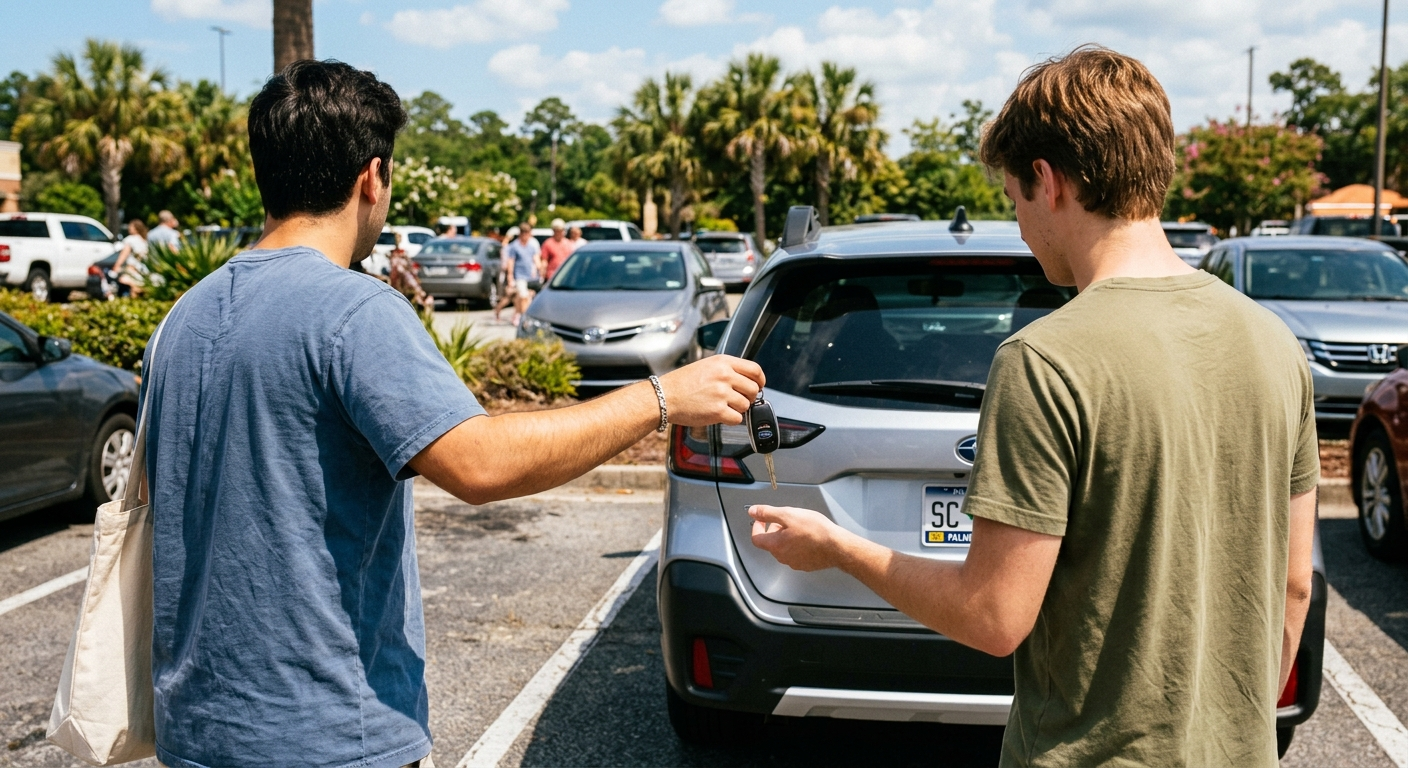
Insurance companies typically rate each driver on the vehicle they are most likely to drive. Assigning your teen to the least expensive vehicle on your policy, rather than a newer or sportier car, can reduce their premium impact.
Many Carolina Forest families purchase modest, reliable vehicles specifically for teen drivers. Older sedans with good safety ratings cost less to insure than newer vehicles or anything with high performance characteristics.
Usage-Based Insurance Programs
Several insurers offer telematics programs that track driving behavior through smartphone apps or devices installed in vehicles. Good driving habits, including smooth braking, appropriate speeds, and limited late-night driving, can earn discounts of 10% to 30%.
These programs can particularly benefit families with teen drivers. Parents gain visibility into driving habits, and teens who drive responsibly earn lower rates. Some programs also provide feedback that helps young drivers improve their skills.
Multi-Vehicle Coverage for Carolina Forest Households
Most Carolina Forest families own multiple vehicles. Between commuter cars, family SUVs, and vehicles for teen drivers, three or four vehicles per household is common. Structuring coverage efficiently across multiple vehicles provides both protection and savings.
Multi-Vehicle Discounts
Insuring all household vehicles on the same policy qualifies you for multi-vehicle discounts, typically ranging from 10% to 25% per vehicle. These discounts make adding vehicles to an existing policy more economical than purchasing separate policies.
All household members who drive should be listed on the policy. Failing to disclose drivers can result in claim denials if an unlisted household member causes an accident.
Coordinating Coverage Levels
Not every vehicle needs identical coverage. A newer financed vehicle requires comprehensive and collision coverage to satisfy lender requirements and protect your investment. An older paid-off vehicle driven occasionally might warrant liability-only coverage if its value no longer justifies the cost of physical damage protection.
Working with your agent to tailor coverage to each vehicle's value and use helps optimize your overall premium while maintaining appropriate protection.
Umbrella Policies for Additional Protection
Families with significant assets should consider umbrella insurance, which provides additional liability coverage beyond your auto and homeowners policy limits. A $1 million umbrella policy typically costs $200 to $400 annually and protects against catastrophic claims that could otherwise threaten your family's financial security.
Umbrella policies require maintaining certain minimum limits on your underlying auto and home policies. Your agent can help you structure coverage to qualify for umbrella protection at the best available rates.
Bundling Auto and Home Insurance
Carolina Forest homeowners can often save significantly by bundling auto and homeowners insurance with the same carrier. Multi-policy discounts typically range from 10% to 25% on both policies, making bundling one of the most effective ways to reduce overall insurance costs.
Beyond the Discount
Bundling provides benefits beyond premium savings. Managing both policies with one insurer simplifies billing, creates a single point of contact for questions and claims, and can provide coverage coordination benefits when incidents affect both your home and vehicles.
For example, if a tree falls on your car parked in your driveway, a bundled insurer handles both the auto comprehensive claim and any homeowners claim for tree removal through coordinated processes.
When Bundling Makes Sense
Bundling works best when the same insurer offers competitive rates on both auto and home coverage. However, the best auto insurer for your situation may not offer the best homeowners rates, particularly for coastal properties with hurricane exposure.
An independent insurance agent can compare bundled quotes against separate policies from different carriers to determine which approach actually saves you the most money while providing appropriate coverage.
New Residents and Auto Insurance
Carolina Forest attracts families relocating from across the country. If you have recently moved to South Carolina or are planning a move, understanding auto insurance requirements and the transition process helps ensure continuous coverage.
South Carolina Insurance Requirements
South Carolina requires all registered vehicles to maintain liability insurance. New residents must register their vehicles and obtain South Carolina insurance within 90 days of establishing residency. Driving with out-of-state insurance beyond this period can result in registration issues and coverage gaps.
South Carolina's minimum liability requirements of 25/50/25 may differ from your previous state. Your current coverage may exceed or fall short of South Carolina minimums, so reviewing your policy when you move ensures compliance and appropriate protection.
Rate Changes When Moving
Auto insurance rates vary significantly by location. Moving to Carolina Forest from a higher-cost area like the Northeast or major metropolitan areas often results in lower premiums. Conversely, moving from rural areas or states with lower average rates may increase your costs.
Factors affecting South Carolina rates include the state's high uninsured driver rate, coastal storm exposure, and local traffic patterns. Getting quotes from multiple insurers helps you find competitive rates in your new location.
Establishing a New Policy
When establishing South Carolina auto insurance, you will need your vehicle information, driver's license numbers for all household drivers, and details about your driving history. South Carolina insurers will check your driving record and may verify prior insurance coverage.
Maintaining continuous coverage without gaps protects your rates. Lapses in coverage, even brief ones during a move, can result in higher premiums and may require SR22 filing in some situations.
Saving Money on Carolina Forest Auto Insurance
Several strategies help Carolina Forest families reduce auto insurance costs without sacrificing necessary protection.
Available Discounts
Beyond multi-policy and multi-vehicle discounts, insurers offer numerous ways to reduce premiums:
- Good driver discount: Maintaining a clean driving record for three to five years qualifies you for significant savings, often 10% to 25%
- Defensive driving course: Completing an approved course can reduce premiums, particularly for drivers over 55
- Low mileage discount: Driving fewer than average annual miles qualifies you for reduced rates with many insurers
- Safety features: Anti-lock brakes, airbags, anti-theft devices, and other safety equipment may reduce premiums
- Pay in full discount: Paying your annual premium upfront rather than monthly often saves 5% to 10%
- Paperless and autopay: Electronic billing and automatic payments qualify for small discounts with most insurers
- Professional affiliations: Some employers, alumni associations, and professional organizations have relationships with insurers that provide member discounts
Adjusting Coverage Appropriately
Reviewing your coverage periodically ensures you are not paying for protection you no longer need. Consider dropping comprehensive and collision coverage on older vehicles when the annual premium exceeds 10% of the vehicle's value. The potential payout after a total loss may not justify the ongoing cost.
Increasing deductibles lowers premiums if you can afford higher out-of-pocket costs after an accident. Moving from a $500 deductible to a $1,000 deductible can reduce premiums by 15% to 30% on collision and comprehensive coverage.
Shopping for Better Rates
Auto insurance rates vary significantly between carriers for identical coverage. The cheapest insurer for one family may be among the most expensive for another based on individual factors like driving history, credit, and vehicle types.
Working with a Myrtle Beach auto insurance agent who represents multiple carriers allows you to compare options efficiently without contacting each company separately. Independent agents can identify which insurers offer the best rates for your specific situation.
What to Do After an Accident in Carolina Forest
Knowing how to handle an accident before one occurs protects your interests and ensures a smoother claims process.
At the Scene
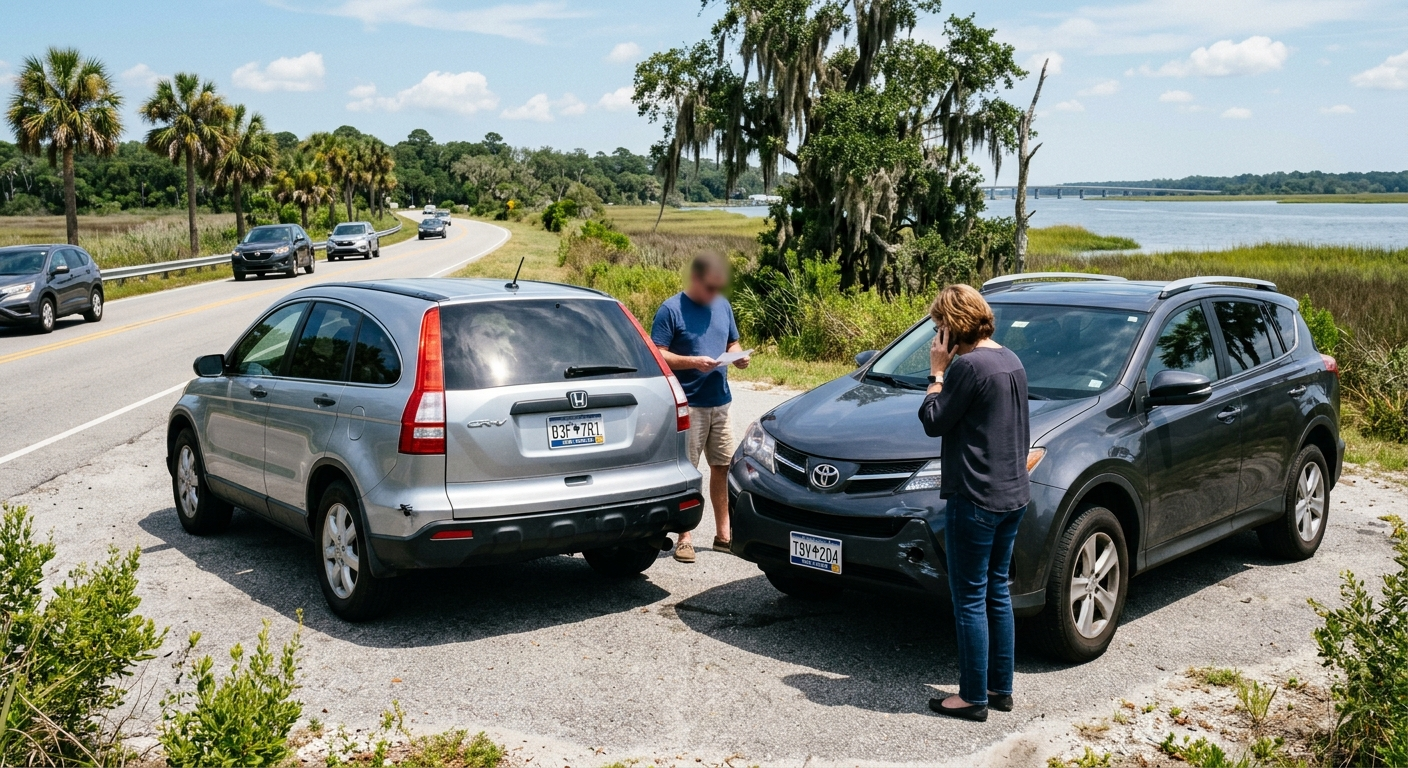
Safety comes first after any accident. Check for injuries and call 911 if anyone needs medical attention. Move vehicles out of traffic if possible and safe to do so. South Carolina law requires reporting accidents that result in injury, death, or property damage exceeding $1,000.
Exchange information with other drivers, including names, contact information, driver's license numbers, insurance companies, and policy numbers. Document the scene with photographs showing vehicle positions, damage, road conditions, and any relevant traffic signs or signals. Get contact information from witnesses.
Avoid admitting fault or apologizing at the scene. Stick to factual information when speaking with other drivers and police officers. Fault determination involves many factors that may not be apparent immediately.
Filing Your Claim
Contact your insurance company promptly to report the accident. Most insurers have 24-hour claims lines and mobile apps for reporting. Provide the documentation you gathered and answer questions honestly.
Your insurer assigns a claims adjuster to evaluate damage and determine coverage. If the other driver was at fault, you can file a claim with their insurance or use your own coverage and let your insurer pursue reimbursement through subrogation.
Getting Repairs Completed
Your insurer may recommend repair shops but cannot require you to use specific facilities in South Carolina. You have the right to choose where your vehicle is repaired. Get estimates from shops you trust and communicate with your adjuster about the repair process.
If your vehicle is totaled, meaning repair costs exceed its value, your insurer pays the actual cash value minus your deductible. Gap insurance covers any difference between the payout and your loan balance if you owe more than the vehicle is worth.
Golf Cart Insurance in Carolina Forest
Many Carolina Forest neighborhoods allow golf carts on community roads, and some areas permit them on certain public streets. Standard auto insurance does not cover golf carts, and homeowners policies provide only limited protection.
Golf cart insurance covers liability if you injure someone or damage property, physical damage to the cart from accidents or theft, and medical payments for occupants. Families who use golf carts to travel around their neighborhood, to the pool, or to community amenities should carry dedicated coverage.
Golf cart policies are relatively inexpensive, typically $100 to $300 annually depending on coverage levels and the cart's value. Given the potential liability exposure when operating on roads shared with vehicles and pedestrians, this coverage provides important protection.
Why Work with Moore and Associates
Moore and Associates has served families throughout the Myrtle Beach area since 1979. As an independent insurance agency, we represent multiple auto insurance carriers rather than a single company. This allows us to compare rates and coverage options across insurers to find policies that fit your family's specific needs and budget.
Our agents understand the Carolina Forest community and the insurance needs of families in this area. We help you navigate coverage decisions, identify available discounts, structure multi-vehicle policies efficiently, and add teen drivers in ways that minimize premium impact while maintaining appropriate protection.
Get an Auto Insurance Quote in Myrtle Beach, South Carolina
Our auto insurance agents serve Myrtle Beach, South Carolina and surrounding areas including Carolina Forest, Conway, North Myrtle Beach, Socastee, Forestbrook, Surfside Beach, Murrells Inlet, and throughout Horry County. Contact Moore and Associates today for a free quote and protect your family with coverage designed for how you actually live and drive.
Get A Quote
At Moore & Associates Insurance, securing your future is easy. Ready to protect what matters? Contact us for a quick quote and personalized insurance options!
Kelly
Speak to Kelly 24/7
Microphone ready
Start your custom insurance quote
Instant answers to your insurance questions
Schedule appointments or follow-ups
Personal Insurance
From auto and homeowners to renters and umbrella policies, we help protect your family and property. Let’s find coverage that fits your life.
Commercial Insurance
We customize policies for your industry's risks, like general liability and workers' comp, ensuring you can run your business worry-free.
Contact Moore & Associates Insurance
Recent Posts