There is no single insurance product called hurricane insurance in South Carolina. What most homeowners mean when they ask about hurricane coverage is really a combination of two separate policies: homeowners insurance for wind damage and a flood insurance policy for storm surge and rising water. Understanding which policy covers which type of damage is one of the most important things a coastal South Carolina homeowner can know.
This guide explains how hurricane damage is covered in South Carolina, what each policy handles, where the gaps are, and how to prepare your coverage before storm season arrives.
Does homeowners insurance cover hurricanes in SC
Standard homeowners insurance policies in South Carolina cover wind damage, which includes hurricane wind. If a hurricane or tropical storm tears off your roof, blows in windows, or damages your siding with windborne debris, your homeowners policy is what responds to those losses. This wind coverage is part of the dwelling protection in a standard policy.
However, two important features affect how wind coverage works in coastal South Carolina:
Named storm or wind deductibles. Most policies in South Carolina's coastal counties apply a separate, higher deductible to hurricane-related losses rather than your standard flat-dollar deductible. This deductible is typically expressed as a percentage of your dwelling coverage, often 1% to 5%. On a $400,000 home with a 2% hurricane deductible, you'd pay the first $8,000 of any named-storm wind claim before insurance contributes. South Carolina law requires insurers to clearly disclose when a policy excludes wind or applies a special deductible.
Availability in coastal areas. Some standard market carriers have restricted or stopped writing new policies in coastal South Carolina due to hurricane exposure. Properties that can't get wind coverage in the standard market can turn to the South Carolina Wind and Hail Underwriting Association (SCWHUA), the state's Beach Plan, for wind and hail coverage as a last resort.
Understanding wind and hail exclusions
When a standard carrier declines to cover wind and hail for a coastal property, they issue what's called a homeowners policy with a wind exclusion. The home is still insured for fire, theft, liability, and other perils, but anything caused by wind is excluded. The homeowner then needs a separate SCWHUA policy for wind and hail coverage.
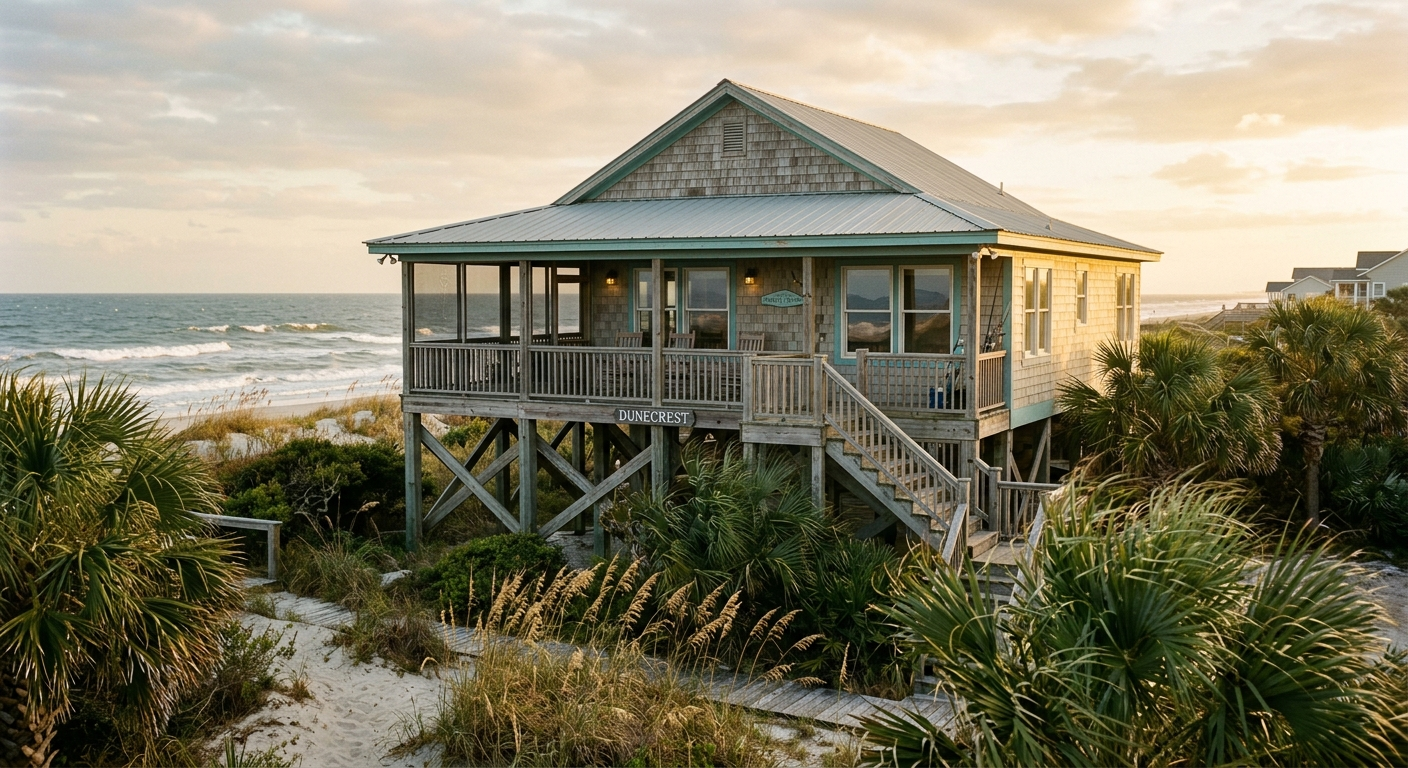
This two-policy arrangement is common in Myrtle Beach, Pawleys Island, and other beachfront communities. It protects the homeowner against hurricane wind, but it creates additional complexity: two policies to manage, two potential claims processes after a storm, and sometimes ambiguity about which policy covers which damage when a hurricane causes both wind and water damage simultaneously.
The SC Wind and Hail Pool (SCWHUA)
The SCWHUA is a state-backed program that provides wind and hail coverage to coastal properties that can't obtain it in the standard market. It's the insurer of last resort, not the first choice, and policies through the Beach Plan are typically more expensive than equivalent standard market coverage when it's available.
SCWHUA coverage limits and terms differ from standard homeowners policies. Working with a local agent who understands the Beach Plan's current terms and can confirm whether your property qualifies for standard market coverage or requires the Beach Plan is important before binding any coastal property.
Storm surge and flooding: why you need separate coverage
This is the coverage gap that surprises most people after a major storm. When a hurricane makes landfall, wind isn't the only threat. Storm surge, the wall of ocean water pushed ashore by the storm, is historically responsible for more deaths and property damage than any other hurricane hazard. Inland flooding from rainfall compounds the damage.
Standard homeowners insurance, including the wind coverage in a standard policy or a Beach Plan policy, does not cover storm surge or flooding. Water that enters your home from rising water, storm surge, or overflowing waterways is a flood event, and it requires a separate flood insurance policy to be covered.
The National Flood Insurance Program (NFIP) provides the standard flood coverage option for South Carolina homeowners. Private flood insurers offer an alternative with sometimes better pricing or higher limits. The NFIP caps building coverage at $250,000, which may be insufficient for higher-value coastal homes. Both NFIP and private flood policies require purchase well before a storm, typically with a 30-day waiting period for NFIP coverage. Buying flood insurance after a storm is named or forecast provides no protection from that event.
How much does hurricane insurance cost in SC
The combined cost of homeowners insurance with wind coverage and flood insurance varies significantly based on your property's location, its distance from the coast, your home's construction and elevation, and which carriers you use.
For a Myrtle Beach homeowner with a standard policy covering wind, average homeowners insurance premiums run $2,678 to $3,100 per year for $300,000 in dwelling coverage at the state average. Coastal and beachfront properties pay considerably more. The average NFIP flood policy in Myrtle Beach runs about $386 per year. Properties in high-risk AE or VE flood zones pay more, often $1,000 to $3,000 or more annually, depending on elevation, construction type, and coverage amount.
Together, a well-structured coverage package for a coastal South Carolina home typically includes homeowners insurance with wind coverage, plus a flood insurance policy. For properties requiring the Beach Plan for wind, add the cost of two separate policies.
Preparing your home for storm season
Coverage decisions matter most before a storm arrives. After a named storm is forecast for South Carolina, purchasing new policies or making significant coverage changes may not take effect in time. A few things worth doing before hurricane season each year:
- Review your homeowners policy's hurricane deductible and confirm the percentage that applies to your dwelling coverage value.
- Confirm whether your policy covers wind or has a wind exclusion, and if excluded, verify your SCWHUA coverage is current.
- Ensure your flood insurance is active. If you don't have it, initiate the 30-day waiting period now rather than in August.
- Check your dwelling coverage limit against current rebuild costs. Construction costs have risen significantly since 2020, and an outdated coverage limit can leave you underinsured after a total loss.
- Document your home and its contents with photos or video. Store that documentation in the cloud or off-site so it's accessible after a storm.
Getting coastal coverage right
Coastal South Carolina insurance requires local knowledge. Which carriers currently write in your specific ZIP code, whether the Beach Plan applies to your property, and how to structure wind and flood coverage together all depend on your home's specific situation.
Moore & Associates has served the Grand Strand since 1979 and helps homeowners navigate these decisions every day. Our
homeowners insurance team compares coverage from multiple carriers and explains exactly what each policy covers and doesn't. Call (843) 839-5076 or visit mooremb.com for a free consultation. We serve Myrtle Beach, North Myrtle Beach, Surfside Beach, Murrells Inlet, Litchfield, Pawleys Island, Conway, and Georgetown.