Myrtle Beach is one of the hottest short-term rental markets in the entire country — and if you own an Airbnb or VRBO property here, you already know why. Millions of visitors flood the Grand Strand every year, occupancy rates are consistently strong, and the income potential is real. But there's a critical coverage gap that catches property owners off guard every single season: your standard homeowners insurance policy almost certainly does not cover short-term rental activity. If a guest is injured in your unit, a pipe bursts the day before a holiday booking, or your property is vandalized between stays, you could be on the hook for tens of thousands of dollars out of pocket. This guide explains what you need to know — and why short-term rental insurance isn't optional.
Why Myrtle Beach Is One of the Top Short-Term Rental Markets in the US
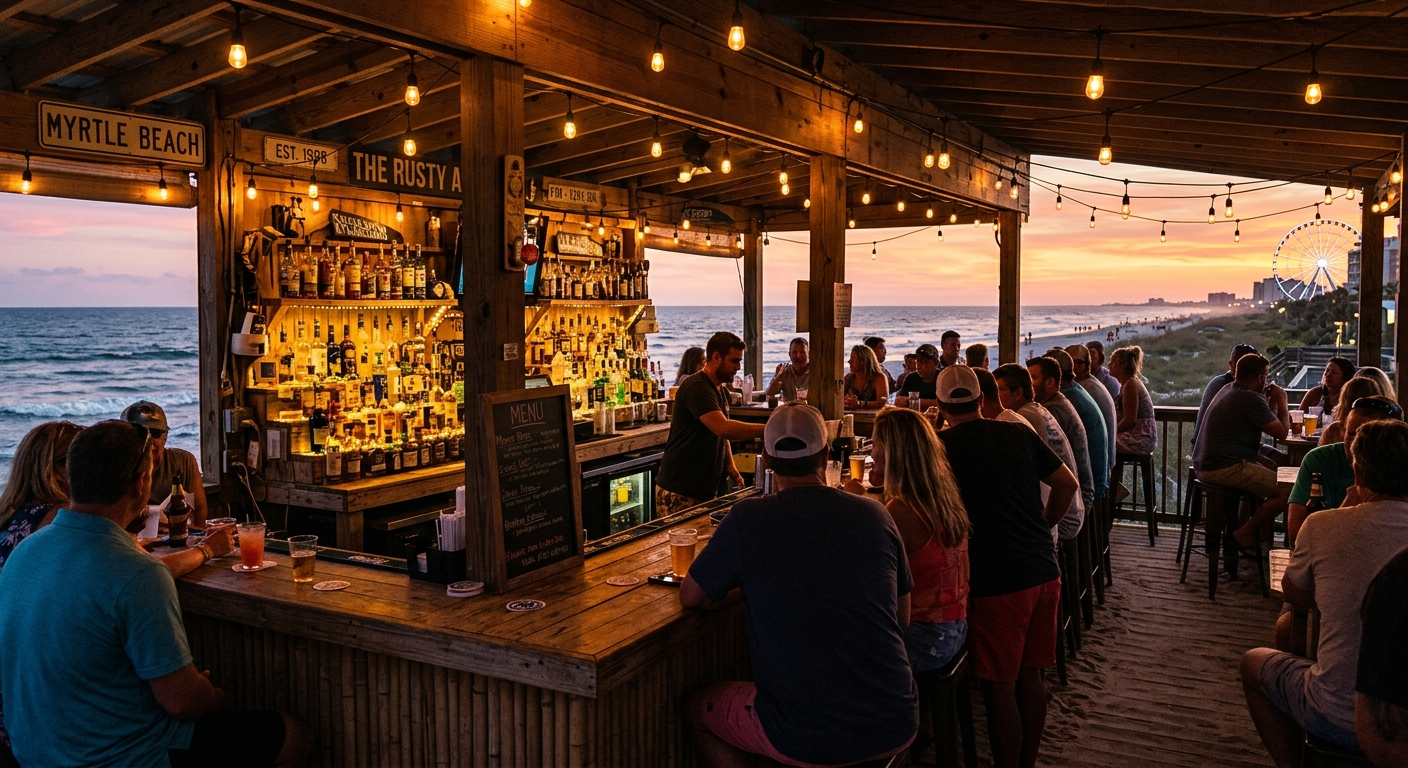
Myrtle Beach attracts over 20 million visitors annually, making it one of the most visited destinations on the East Coast. The city's combination of beaches, golf courses, live entertainment, and family-friendly attractions drives demand for vacation rentals year-round — not just in the summer. Platforms like Airbnb and VRBO have seen explosive growth in the area, with thousands of active listings competing for bookings.
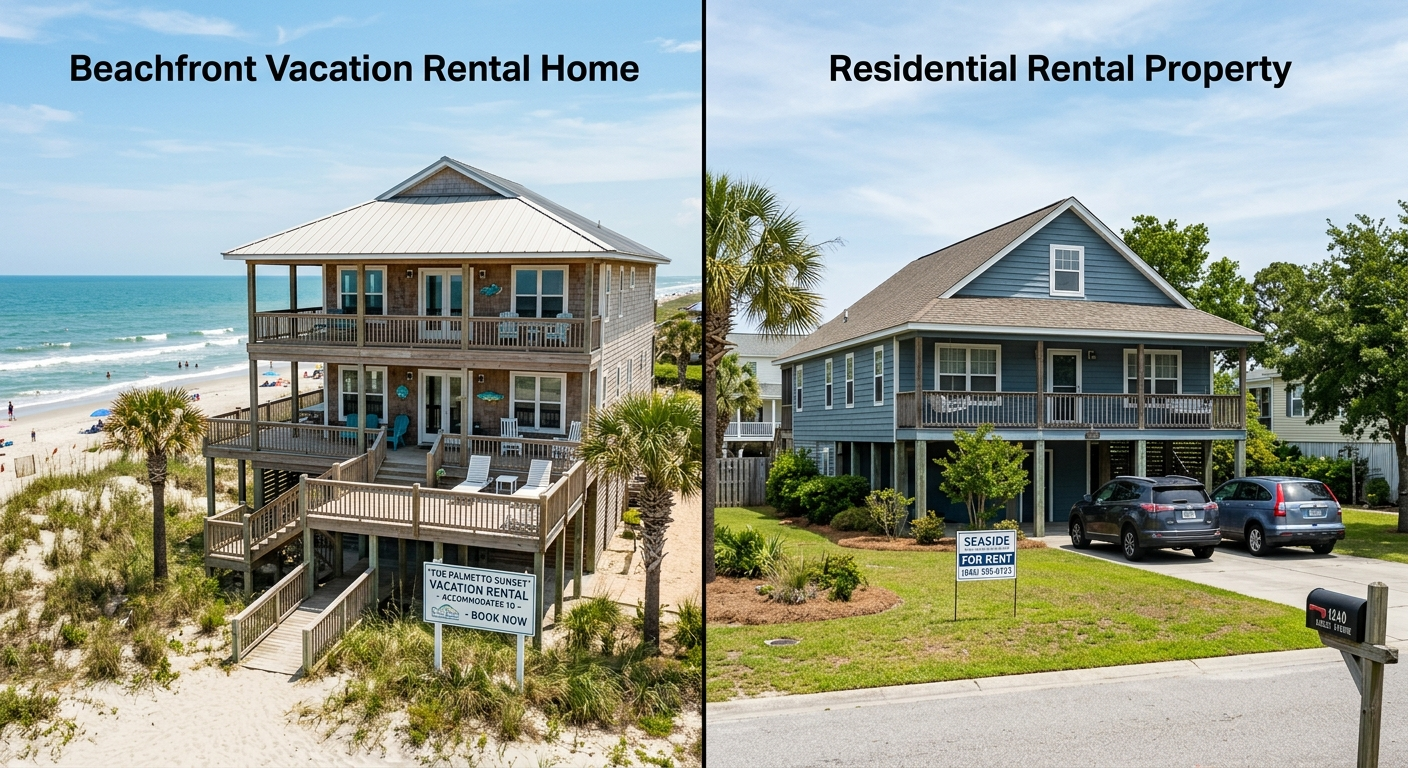
High occupancy translates to real income for property owners. A well-managed beachfront condo or vacation home in Myrtle Beach can generate significant rental revenue each year. But high traffic also means higher exposure. More guests, more turnovers, and more activity means more opportunities for something to go wrong — and more risk that a standard homeowners policy wasn't designed to absorb.
The financial stakes are high, and so is the liability exposure. That's why understanding your insurance situation before your next guest checks in is one of the most important steps you can take as a short-term rental owner in the Myrtle Beach insurance market.
The Critical Coverage Gap: Why Your Homeowners Policy Falls Short
This is the part most property owners don't find out until it's too late. Standard homeowners insurance policies are written for owner-occupied residences — not for properties that operate as businesses. When you rent your home or condo to short-term guests, even just a few times a year, you are running a business. Most insurers view short-term rental activity as a commercial operation, and your personal homeowners policy either excludes it entirely or severely limits coverage.
What does that mean in practice? It means that if a guest slips and falls on your property and files a liability claim, your homeowners insurer may deny the claim because the injury occurred during a rental transaction. It means that if a guest damages your furniture or steals personal items, you may have no coverage because the property was being rented at the time. It means that a fire or flood that destroys your rental income for three months might not be compensable under your current policy.
Many property owners assume they're covered simply because they haven't had a claim denied yet. But the denial comes when you file — and by then, the financial damage is already done. Don't wait for a claim to discover the gap in your coverage.
What Airbnb and VRBO Host Protection Actually Covers (And What It Doesn't)
Both Airbnb and VRBO offer some form of host protection or damage coverage, and these programs provide a useful baseline. Airbnb's AirCover includes up to $3 million in liability protection and property damage coverage for hosts. VRBO offers similar programs through its platform. On the surface, these sound comprehensive — but dig into the details and you'll find meaningful limitations.
Platform protections are not insurance policies. They are contractual agreements between you and the platform, subject to their internal claims processes and approval criteria. Coverage is often secondary to your own insurance, meaning the platform may require you to file with your insurer first. Guest theft of personal property, damage to vehicles, off-premises incidents, and certain types of liability claims may fall outside what the platform will cover.
More importantly, platform protections don't cover loss of rental income if your property becomes uninhabitable due to a covered event. They don't cover all property damage, especially if the guest disputes it. And they provide no protection for incidents that occur between rental stays. Platform coverage is a complement to proper insurance — not a substitute for it.
What a Proper Vacation Rental Insurance Policy Actually Covers
A dedicated short-term rental insurance policy — sometimes called vacation rental insurance or landlord insurance with short-term rental endorsements — is built specifically for property owners in your situation. It fills the gaps that homeowners policies and platform protections leave open.
Key coverages typically include: property coverage for the structure and contents against fire, storm, vandalism, and other perils; liability coverage for guest injuries or third-party claims arising from rental activity; loss of rental income if your property is damaged and bookings have to be canceled; and guest theft protection for personal property taken by guests during a stay. Some policies also offer coverage for bed bugs, pet damage, and short-term rental-specific endorsements that can be tailored to your property.
Coastal properties like those in Myrtle Beach may also need wind and flood coverage, which is typically separate from a standard rental policy but can be packaged together with the right carrier. Understanding your total coverage picture — not just one policy in isolation — is essential for a property in a hurricane-prone area.
Key Questions to Ask Your Agent Before You Bind a Policy
Not all vacation rental policies are created equal, and the right coverage for your property depends on how you use it and what risks you're exposed to. Here are the questions every short-term rental owner should bring to their agent:
- Is my property rented more than 30 days per year? Many standard policies have thresholds — once you cross them, coverage changes significantly.
- Do I have a pool, hot tub, or other amenity that increases liability exposure? These features require specific coverage considerations and may affect your premiums.
- Do I rent seasonally or year-round? Year-round rentals typically require more robust commercial-style coverage than seasonal properties.
- What is my current homeowners policy's position on short-term rentals? Ask your insurer directly — you may be surprised by the answer.
- Do I need separate wind and flood coverage? For a beachfront or coastal property in South Carolina, the answer is almost always yes.
- Am I relying on platform protection as my primary coverage? If so, it's time to revisit that decision with a licensed agent who can show you the gaps.
These aren't hypothetical questions — they're the exact scenarios that determine whether a claim gets paid or denied. Getting clear answers before a loss occurs is how you protect the investment you've worked hard to build.
How Moore & Associates Specializes in Coastal Short-Term Rental Coverage
Moore & Associates Insurance has deep roots in the Myrtle Beach area and a thorough understanding of what coastal short-term rental property owners face. We work with multiple carriers that specialize in vacation rental and short-term rental insurance — which means we can shop your coverage and find a policy that fits your property, your rental activity, and your budget, rather than forcing you into a one-size-fits-all product.
Our team understands the nuances of South Carolina coastal insurance: wind exposure, flood zone designations, seasonal rental patterns, and the liability risks that come with high-traffic vacation properties. Whether you own a single beachfront condo or a portfolio of rental homes, we can help you build a coverage strategy that actually protects you when it matters most.
We've seen too many property owners discover their coverage gaps after a claim is denied. Our goal is to make sure that doesn't happen to you. The conversation starts with a free, no-obligation quote — and it could save you from a five- or six-figure out-of-pocket loss down the road.
Don't wait until a claim is denied to find out you didn't have the right coverage. If you own an Airbnb, VRBO, or any short-term rental property in Myrtle Beach or along the Grand Strand, contact Moore & Associates Insurance today for a free quote. Our team will review your current coverage, identify any gaps, and connect you with the right policy to protect your property, your income, and your peace of mind. The right time to get covered is before your next guest checks in — not after something goes wrong.
Get A Quote
At Moore & Associates Insurance, securing your future is easy. Ready to protect what matters? Contact us for a quick quote and personalized insurance options!
Kelly
Speak to Kelly 24/7
Microphone ready
Start your custom insurance quote
Instant answers to your insurance questions
Schedule appointments or follow-ups
Personal Insurance
From auto and homeowners to renters and umbrella policies, we help protect your family and property. Let’s find coverage that fits your life.
Commercial Insurance
We customize policies for your industry's risks, like general liability and workers' comp, ensuring you can run your business worry-free.