Why homeowners insurance cost factors in coastal SC drive up your premium
If you own a home along the Grand Strand or anywhere on South Carolina's coast and your insurance bill seems to climb every renewal, you are not imagining it. Homeowners insurance cost factors in coastal SC are genuinely different from what inland homeowners deal with, and understanding those factors gives you a real shot at managing what you pay. This post covers the main reasons coastal premiums run higher, what carriers look at when pricing your policy, and practical steps you can take to keep costs in check.
How proximity to the coast affects your rate
Carriers price risk geographically, so your address matters more than almost anything else. A home in Pawleys Island or North Myrtle Beach sitting a few blocks from the Atlantic carries a very different risk profile than a home in Columbia. Insurers use wind-zone maps, FEMA flood maps, and their own catastrophe modeling to assign a base rate before they ever look at your specific house.
South Carolina's coastline falls almost entirely in Wind Zone IV , the highest wind-hazard classification in the state. Homes in this zone are expected to experience hurricane-force winds more frequently and more severely over a 30-year mortgage period than homes even 20 or 30 miles inland. That actuarial reality gets built into your base premium.
Distance to the coast is typically measured in tiers. In general terms:
- 0-1,000 feet from the shoreline , highest tier; most carriers either decline to write coverage or charge a significant surcharge because wind and surge exposure peaks here.
- 1,000-2,500 feet , still a high-hazard tier; many standard carriers apply coastal pricing, and named-storm deductibles are nearly universal.
- 2,500-5,000 feet , a transitional zone; pricing softens somewhat, but most coastal underwriting rules still apply.
- Beyond 5,000 feet , more standard pricing applies, though flood exposure can still be significant depending on elevation and drainage.
If you own a home in Myrtle Beach, Surfside Beach, Atlantic Beach, or along the Murrells Inlet waterway, you are almost certainly in one of the first two tiers.
Hurricane and named-storm deductibles: the cost hidden in plain sight
One of the biggest surprises for new coastal homeowners is the hurricane deductible . This is not a flat dollar amount like your standard all-other-perils deductible. It is a percentage of your home's insured value, typically ranging from 1% to 5% in South Carolina, and it triggers any time the National Hurricane Center declares a named storm.
On a home insured for $400,000, a 2% hurricane deductible means you are responsible for the first $8,000 out of pocket before your policy pays anything for wind damage from a named storm. At 5%, that number rises to $20,000. Carriers offering lower percentage deductibles tend to price the policy premium higher to compensate, so you are essentially choosing between a higher upfront premium and a higher out-of-pocket exposure after a storm.
Understanding exactly how your deductible works is not optional if you live on the coast. For a deeper look at how these deductibles are structured and what South Carolina law requires carriers to disclose, see our post on hurricane deductibles in SC.
Wind coverage, the SC Wind Pool, and what your standard policy may not include
Many coastal homeowners do not realize until they file a claim that a standard homeowners policy issued by a private carrier may exclude windstorm coverage entirely for properties in certain coastal zones. When that happens, you need a separate wind policy, often through the South Carolina Wind and Hail Underwriting Association (SCWHUA) , commonly called the SC Wind Pool.
The Wind Pool is an insurer of last resort for coastal properties that private carriers will not cover for wind. Coverage through the pool is generally more expensive than equivalent private market wind coverage, and the limits and policy terms are less flexible. If your home is insured through the Wind Pool for wind and a separate carrier for everything else, you are managing two policies, two billing schedules, and two sets of deductibles.
Private carriers that do write wind coverage in coastal South Carolina typically apply strict underwriting standards around:
- Roof age and material , most carriers want a roof less than 10-15 years old; older roofs may be non-renewed or rated up significantly.
- Opening protection , impact-resistant windows, storm shutters, and reinforced garage doors reduce wind-driven water intrusion, and many carriers reward them with discounts.
- Roof-to-wall connections , how roof trusses are attached to the wall framing (hurricane straps versus toe-nails) directly affects how much of your roof stays on during a major storm.
- Construction type , concrete block or masonry construction is rated more favorably than wood frame in high-wind zones.
A wind mitigation inspection, which typically costs $150-$300 in South Carolina, documents all of these features formally. If your home qualifies for credits, the savings on your wind premium often pay for the inspection many times over in the first year.
Flood insurance: the separate policy almost every coastal homeowner needs
Standard homeowners insurance does not cover flood damage. This catches people off guard more than almost any other coverage gap, especially after a storm surge event or a heavy-rain flooding episode like the ones Grand Strand communities have experienced repeatedly.
In South Carolina, flood insurance is purchased separately , either through the National Flood Insurance Program (NFIP) or through private flood insurers. NFIP premiums have been rising steadily under the FEMA Risk Rating 2.0 methodology that rolled out in 2021, which reprices policies based on a property's individual flood risk rather than just its flood zone designation. Homes in high-risk AE or VE zones can see NFIP annual premiums of $2,000 to $5,000 or more , depending on elevation and first-floor height.
Private flood insurance has become a meaningful option for many coastal South Carolina homeowners. Private policies can offer higher building and contents limits than the NFIP's $250,000 building cap, and sometimes at lower premiums for properties with favorable elevation data. The right choice depends on your specific property's risk profile and the quotes available to you.
For a side-by-side comparison of both options, our post on NFIP vs. private flood insurance in Myrtle Beach covers the tradeoffs in detail. You can also explore flood coverage options directly on our flood insurance page.
Other cost factors specific to coastal South Carolina homes
Wind and flood get the most attention, but several other factors push coastal homeowners insurance costs higher in this region.
Replacement cost in a high-demand construction market
After a major storm, labor and materials prices in the affected area surge. Contractors are in short supply, lumber and roofing materials spike in price, and rebuilding costs run well above normal market rates. Carriers account for this and price coastal replacement cost estimates accordingly. Your policy's dwelling coverage limit needs to reflect what it would actually cost to rebuild your home after a Horry County or Georgetown County storm event, not what you paid for the house or what construction would cost in a calm market.
Salt air and corrosion
Salt air accelerates deterioration of roofing materials, HVAC systems, electrical components, and structural metal elements. Coastal properties simply wear out faster than inland ones. Carriers factor this into underwriting, particularly around the condition and age of major systems. A 12-year-old HVAC unit on a Myrtle Beach home has experienced more corrosive stress than a 12-year-old unit in Columbia, and underwriters know it.
Short-term rental use
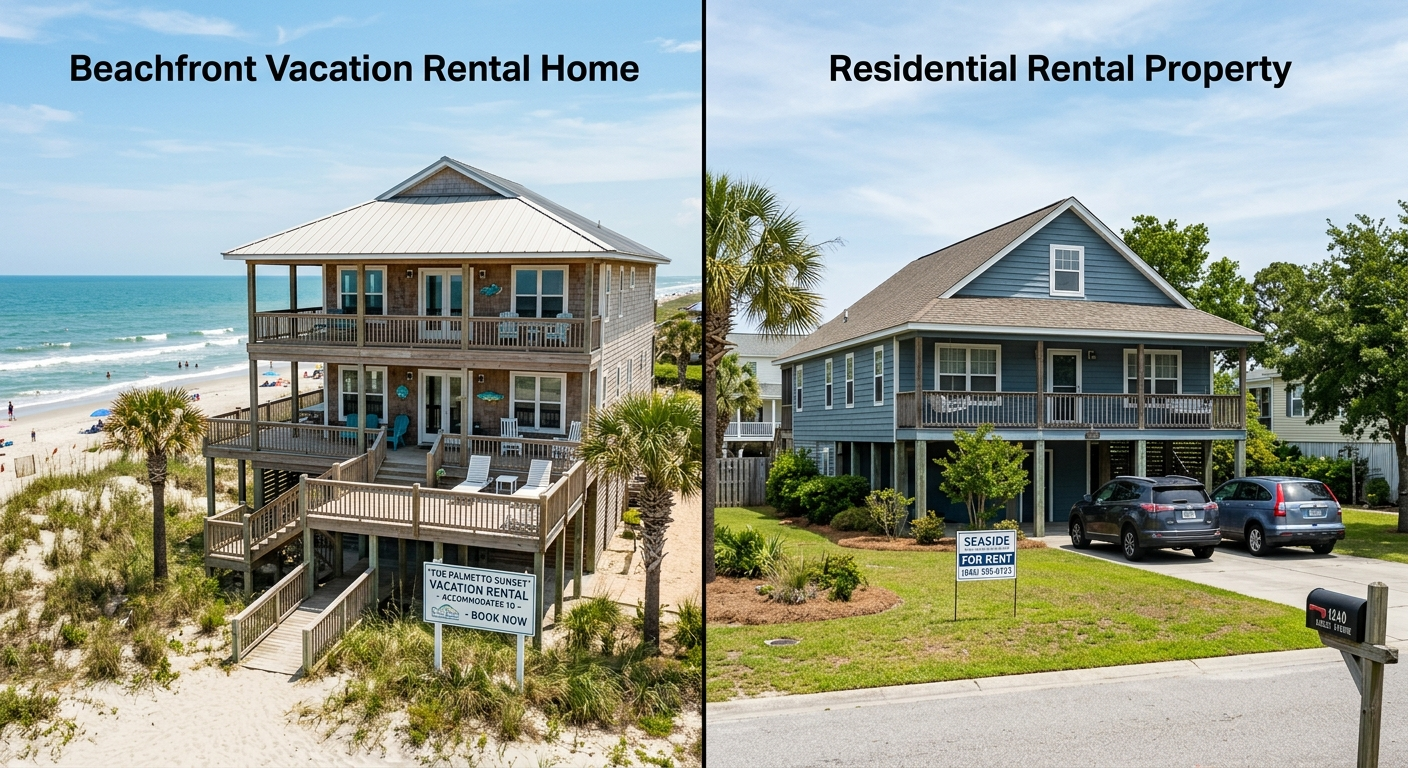
A significant number of Grand Strand homes operate as vacation rentals on Airbnb or VRBO at least part of the year. Renting your home to paying guests changes the insurance picture entirely. A standard homeowners policy typically excludes liability and property coverage for commercial rental activity. You need either an endorsement or a separate short-term rental policy, and that adds to your total insurance cost. See our overview of vacation rental insurance in Myrtle Beach if this applies to your property.
Age and condition of the home
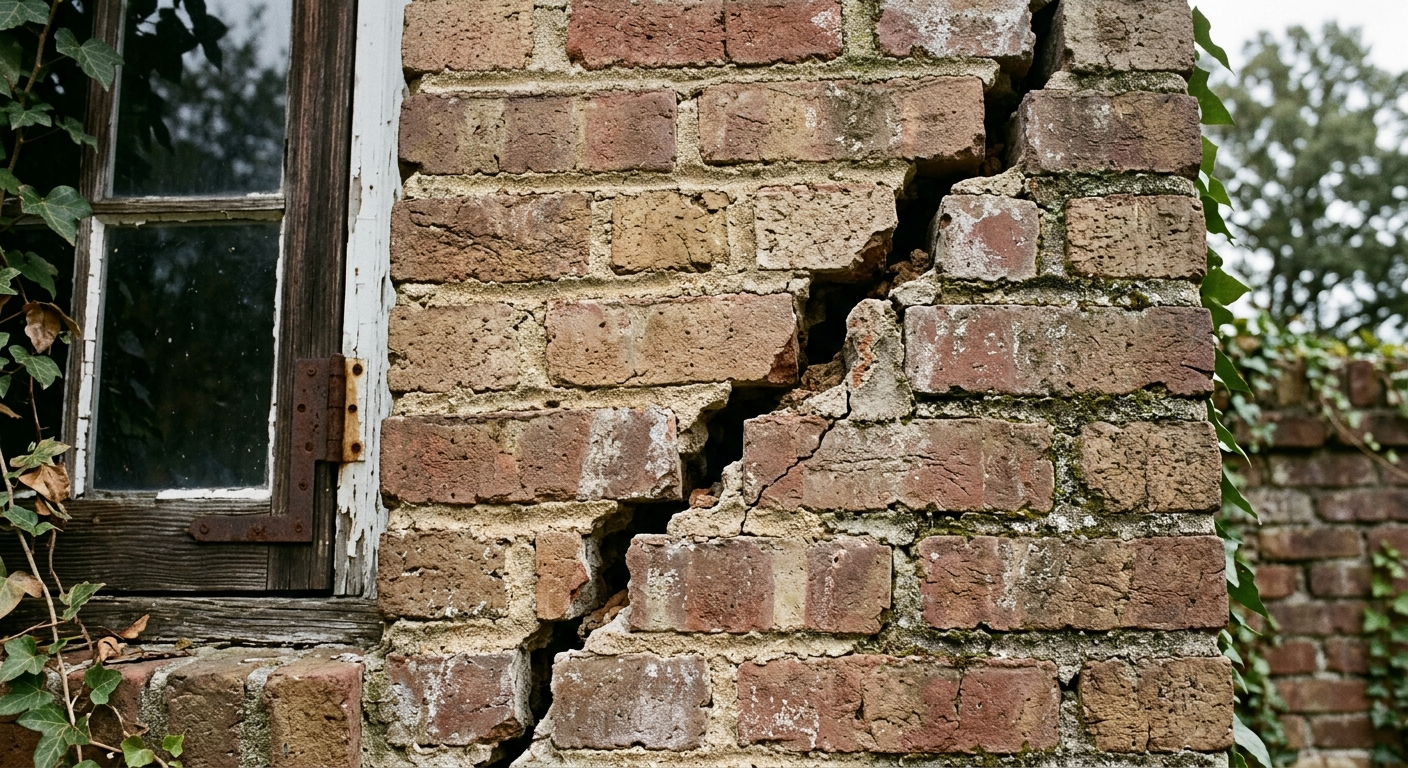
Older homes in beach communities often have plumbing, electrical, and roofing systems that have been patched and updated piecemeal over decades. Knob-and-tube wiring, galvanized pipes, and older panel boxes are all things carriers flag during underwriting. Homes built before South Carolina adopted its strengthened coastal building codes in the early 2000s may lack the structural features that newer construction requires, making them more expensive to insure.
What you can actually do to lower your coastal premium
Higher costs are real, but they are not entirely outside your control. Here are practical steps that can make a difference:
- Get a wind mitigation inspection , documenting your roof shape, roof covering, roof deck attachment, and opening protection can reduce your wind premium by 10-40% depending on the carrier and your home's features.
- Replace your roof before the carrier forces the issue , a new roof with a qualifying material (metal or architectural shingles rated for high-wind zones) often triggers meaningful premium discounts and keeps you from being non-renewed.
- Explore your flood coverage options , if your home sits in a high-risk flood zone, get an elevation certificate and ask an independent agent to quote both NFIP and private flood options; the difference can be substantial.
- Add storm shutters or impact-resistant windows , protecting openings reduces wind-driven water damage risk, which carriers reward, and it limits your hurricane deductible exposure.
- Raise your deductibles strategically , a higher all-other-perils deductible can lower your base premium, though think carefully before raising your hurricane deductible percentage because the out-of-pocket exposure there is much larger.
- Work with an independent agent , coastal South Carolina is not a one-carrier market; rates for the same home can vary by hundreds or even thousands of dollars between carriers, and an independent agent can compare them all.
Get a coastal homeowners insurance review from Moore & Associates Insurance
If you own a home anywhere along the Grand Strand from North Myrtle Beach down through Pawleys Island and Litchfield, your insurance situation deserves a fresh look at least once a year. Carrier pricing, underwriting rules, and the private flood insurance market all shift, and what was the best option two years ago may not be today.
Moore & Associates Insurance is an independent agency serving Myrtle Beach and the surrounding communities. Because we work with multiple carriers rather than representing just one, we can compare options across the market and find the combination of coverages that fits your home and your budget. We work through wind coverage, flood, and the base policy together so nothing falls through the cracks.
To get started, visit our contact page or call us at (843) 839-5076 . You can also learn more about what goes into protecting a coastal property on our homeowners insurance page. Coastal home insurance is more complex than standard coverage, and having the right agent in your corner makes a real difference when a storm is in the forecast.
Get A Quote
At Moore & Associates Insurance, securing your future is easy. Ready to protect what matters? Contact us for a quick quote and personalized insurance options!
Kelly
Speak to Kelly 24/7
Microphone ready
Start your custom insurance quote
Instant answers to your insurance questions
Schedule appointments or follow-ups
Personal Insurance
From auto and homeowners to renters and umbrella policies, we help protect your family and property. Let’s find coverage that fits your life.
Commercial Insurance
We customize policies for your industry's risks, like general liability and workers' comp, ensuring you can run your business worry-free.